
Trump to Approve LNG Exports From Venture Global’s CP2 Project
Generated by AI AgentCyrus Cole
Wednesday, Mar 19, 2025 1:11 am ET5min read
VG--
The Trump administration is poised to grant conditional approval for Venture GlobalVG-- LNG Inc. to export natural gas from its proposed Louisiana facility, a move that could significantly reshape the global LNG market. This decision, which had faced delays under the Biden administration, underscores the Trump administration's commitment to promoting U.S. energy dominance and ensuring a reliable energy supply to global markets.
Market Dynamics and Supply-Demand Balances
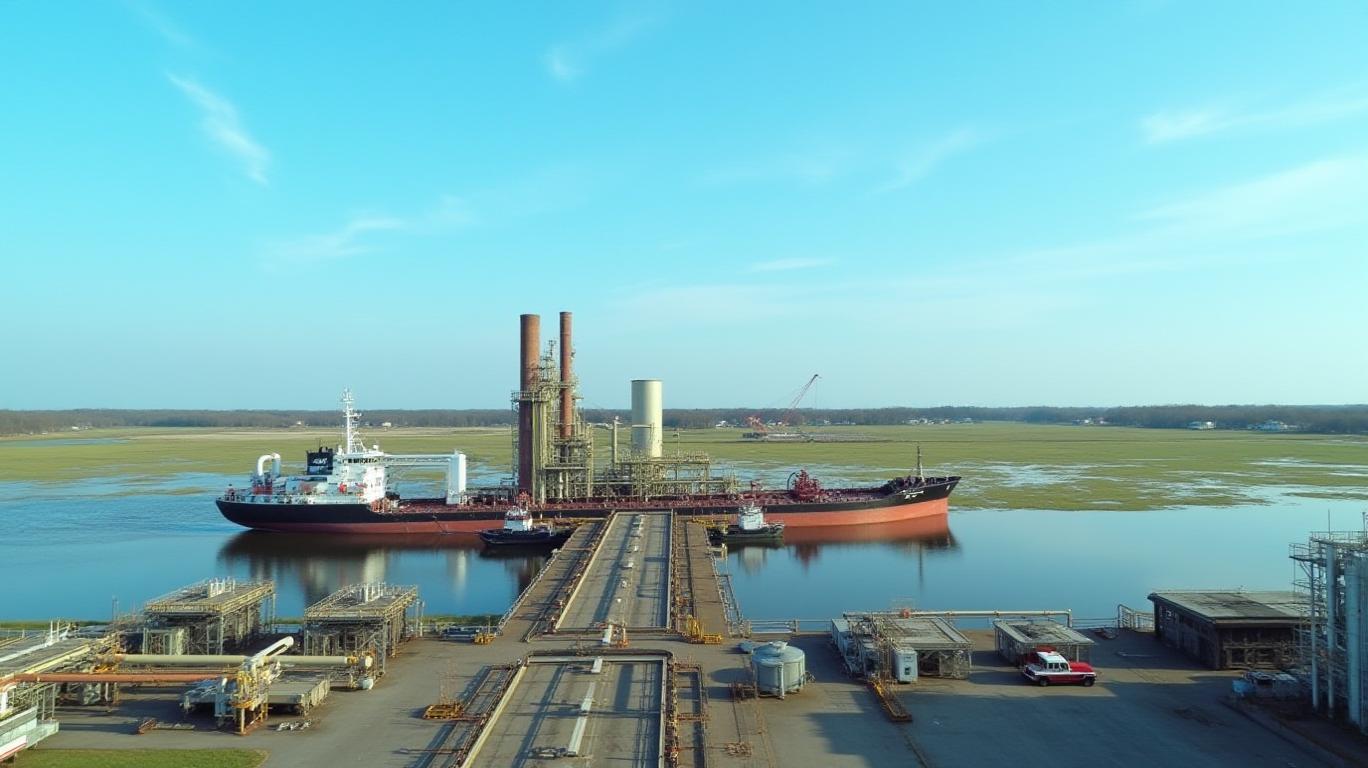
The approval of LNG exports from Venture Global’s CP2 project is expected to significantly impact the global LNG market dynamics, particularly in terms of supply and demand balances. The CP2 LNG plant, located next to Venture Global’s existing Calcasieu Pass liquefaction plant in Louisiana, will have 18 liquefaction blocks, each with a capacity of about 1.1 million tons per annum (mtpa) of LNG, and four 200,000-cbm full containment LNG storage tanks. This substantial capacity addition will contribute to the overall increase in global LNG supply.
The project has already secured long-term sales and purchase agreements with major energy companiesELPC--, including ExxonMobil, Chevron, Jera, New Fortress Energy, Inpex, China Gas, SEFE, and EnBW, for the initial phase of CP2 LNG. These agreements ensure a stable demand for the LNG produced, which will help in balancing the supply and demand dynamics in the global market. Venture Global has also signed a heads of agreement with a unit of Ukraine’s DTEK to supply LNG to Ukraine and Eastern Europe, further diversifying the demand base.
The increased supply from the CP2 project will likely put downward pressure on global LNG prices, as more LNG becomes available in the market. This is particularly relevant given the current geopolitical tensions and the need for energy security in Europe, which has been actively seeking alternative sources of natural gas to reduce its dependence on Russian supplies. The approval of the CP2 project aligns with the Trump administration's policy of promoting U.S. energy dominance and ensuring a reliable energy supply to global markets.
However, the impact on domestic prices in the U.S. remains a concern. The DOE’s studies have shown that increased LNG exports can drive up domestic prices if the supply growth does not match the demand growth. The DOE’s 2018 study projected 35 trillion cubic feet (tcf) of annual dry gas production for 2023, but the actual production surpassed this by reaching 37 tcf in 2024. This indicates that while the U.S. has the capacity to increase production, the balance between supply and demand will be crucial in determining the impact on domestic prices.
Economic Benefits and Challenges
The potential economic benefits and challenges for the U.S. and its allies, given the increased LNG exports and the geopolitical implications of energy dominance, are multifaceted. Here are the key points:
# Economic Benefits:
1. Job Creation and Local Economic Growth:
- LNG export facilities, such as those planned by Venture Global in southeast Louisiana, drive job creation and improve trade balances. These projects lead to investments in infrastructure that benefit surrounding communities. For instance, Venture Global's planned $18 billion expansion in the area for exporting LNG to Europe and Asia is a significant economic boon for the region.
2. Trade and Energy Security:
- Increased LNG exports help the U.S. maintain its status as a global energy leader, which is crucial for geopolitical stability. For example, the U.S. has become the world’s largest LNG exporter, eclipsing all of its competitors in the global market. This dominance has played a central role in Europe’s shift away from Russian natural gas, enhancing energy security for both the U.S. and its allies.
3. Economic Benefits for Allies:
- European Commission President Ursula von der Leyen highlighted that continued expansion of U.S. LNG shipments to Europe is "cheaper" than other sources of natural gas and "brings down our energy prices." This economic benefit is significant for European countries that are transitioning away from Russian gas.
# Economic Challenges:
1. Domestic Price Increases:
- Increased LNG exports can tighten domestic supply, leading to higher natural gas prices. For example, in 2022, Henry Hub pricing averaged $6.45 per MMBtu, the highest since 2008, partly due to a surge in international demand and prices for LNG. This price increase can strain businesses and households that depend on natural gas for energy and operations.
2. Environmental Concerns:
- Environmental and consumer-rights activists argue that increased LNG exports will drive up prices for U.S. consumers and have negative environmental impacts. For instance, the consumer-rights group Public Citizen calculated that LNG exports will saddle domestic consumers with $14.3 billion in higher annual gas costs in 2050. Additionally, the environmental group Louisiana Bucket Brigade reported that Venture Global had more than 2,000 permit violations in its first year of operation, including excessive flaring and failing to report violations.
3. Geopolitical Risks:
- The geopolitical implications of energy dominance can create tensions. For example, the Russian invasion of Ukraine created a massive surge in international demand and prices for LNG, which had a direct impact on domestic prices. This highlights the vulnerability of the U.S. market to global events, which can create volatility in domestic prices.
Environmental and Regulatory Concerns
The environmental and regulatory concerns surrounding LNG exports can significantly influence the long-term viability and public perception of LNG projects. These concerns are multifaceted and include issues related to greenhouse gas emissions, methane leaks, and regulatory hurdles.
# Environmental Concerns
1. Greenhouse Gas Emissions:
- The expansion of LNG facilities, such as Venture Global's proposed project in Louisiana, has raised concerns about increased greenhouse gas emissions. For instance, the new facility is expected to generate as much as 8.5 million tons (7.7 million metric tons) of greenhouse gas emissions annually, according to its air quality permit application. This level of emissions can contribute to climate change, which is a significant environmental concern.
- Environmental groups like Louisiana Bucket Brigade have documented over 2,000 permit violations at Venture Global's existing operations, including excessive flaring and failing to report violations. These violations highlight the potential environmental impact of LNG projects and can erode public trust in the industry.
2. Methane Leaks:
- Methane, a potent greenhouse gas, is a byproduct of natural gas production and transportation. The U.S. natural gas industry is subject to strong environmental regulations and efficient production practices that aim to address methane leaks. However, the environmental impact of LNG exports can be significant if these leaks are not properly managed.
- In contrast, Russian natural gas infrastructure is known to be much more methane-intensive, emitting around 50 percent more fugitive methane than U.S. gas. This comparison underscores the importance of stringent environmental regulations and practices in the U.S. to mitigate the environmental impact of LNG exports.
# Regulatory Concerns
1. Permitting and Approval Processes:
- The regulatory framework for LNG exports in the U.S. involves the Department of Energy (DOE) and the Federal Energy Regulatory Commission (FERC). The DOE handles export permit applications, focusing on whether they align with public interest, while FERC oversees LNG facility siting, construction, and operational compliance.
- The Biden administration's temporary pause on LNG export approvals highlighted the regulatory challenges faced by the industry. This pause was celebrated by environmental advocates but condemned by energy producers, indicating the contentious nature of LNG export regulations.
- The Trump administration's lifting of the LNG permitting pause sends a clear signal to the EU that U.S. gas will be available for as long as it is needed, promoting both geopolitical and economic stability. However, this move also raises concerns about the potential environmental impact of increased LNG exports.
2. Public Perception and Community Concerns:
- Community groups in southwest Louisiana have repeatedly raised environmental and safety concerns about Venture Global's existing operations. These concerns can influence public perception and support for LNG projects.
- The environmental impact of LNG exports, including greenhouse gas emissions and methane leaks, can erode public trust in the industry. This is particularly relevant in areas where LNG facilities are located, as local communities may face direct environmental and health impacts.
Long-Term Viability
1. Economic Benefits vs. Environmental Costs:
- LNG exports bring clear economic advantages to the U.S., including job creation, improved trade balances, and investments in infrastructure. However, these benefits must be weighed against the environmental costs of increased greenhouse gas emissions and methane leaks.
- The long-term viability of LNG projects will depend on the industry's ability to address these environmental concerns and comply with regulatory requirements. This includes implementing technologies to detect, quantify, and reduce fugitive methane emissions, as well as adhering to stringent environmental regulations.
2. Regulatory Compliance and Public Support:
- The regulatory framework for LNG exports is complex and subject to political and environmental considerations. The industry must navigate these challenges to ensure the long-term viability of LNG projects.
- Public support for LNG projects is crucial for their long-term viability. Addressing environmental concerns and complying with regulatory requirements can help build public trust and support for the industry.
Conclusion
In conclusion, the approval of LNG exports from Venture Global’s CP2 project will increase global LNG supply, potentially lowering prices and enhancing energy security for importing countries. However, policymakers must ensure that domestic supply growth keeps pace with export demand to avoid price volatility in the U.S. market. The potential economic benefits and challenges for the U.S. and its allies, given the increased LNG exports and the geopolitical implications of energy dominance, are multifaceted. While increased LNG exports bring significant economic benefits such as job creation, local economic growth, and enhanced energy security for the U.S. and its allies, they also present challenges such as domestic price increases, environmental concerns, and geopolitical risks. Balancing these factors will be crucial for policymakers as they navigate the complexities of energy dominance and its implications.
XOM--
The Trump administration is poised to grant conditional approval for Venture GlobalVG-- LNG Inc. to export natural gas from its proposed Louisiana facility, a move that could significantly reshape the global LNG market. This decision, which had faced delays under the Biden administration, underscores the Trump administration's commitment to promoting U.S. energy dominance and ensuring a reliable energy supply to global markets.
Market Dynamics and Supply-Demand Balances
The approval of LNG exports from Venture Global’s CP2 project is expected to significantly impact the global LNG market dynamics, particularly in terms of supply and demand balances. The CP2 LNG plant, located next to Venture Global’s existing Calcasieu Pass liquefaction plant in Louisiana, will have 18 liquefaction blocks, each with a capacity of about 1.1 million tons per annum (mtpa) of LNG, and four 200,000-cbm full containment LNG storage tanks. This substantial capacity addition will contribute to the overall increase in global LNG supply.
The project has already secured long-term sales and purchase agreements with major energy companiesELPC--, including ExxonMobil, Chevron, Jera, New Fortress Energy, Inpex, China Gas, SEFE, and EnBW, for the initial phase of CP2 LNG. These agreements ensure a stable demand for the LNG produced, which will help in balancing the supply and demand dynamics in the global market. Venture Global has also signed a heads of agreement with a unit of Ukraine’s DTEK to supply LNG to Ukraine and Eastern Europe, further diversifying the demand base.
The increased supply from the CP2 project will likely put downward pressure on global LNG prices, as more LNG becomes available in the market. This is particularly relevant given the current geopolitical tensions and the need for energy security in Europe, which has been actively seeking alternative sources of natural gas to reduce its dependence on Russian supplies. The approval of the CP2 project aligns with the Trump administration's policy of promoting U.S. energy dominance and ensuring a reliable energy supply to global markets.
However, the impact on domestic prices in the U.S. remains a concern. The DOE’s studies have shown that increased LNG exports can drive up domestic prices if the supply growth does not match the demand growth. The DOE’s 2018 study projected 35 trillion cubic feet (tcf) of annual dry gas production for 2023, but the actual production surpassed this by reaching 37 tcf in 2024. This indicates that while the U.S. has the capacity to increase production, the balance between supply and demand will be crucial in determining the impact on domestic prices.
Economic Benefits and Challenges
The potential economic benefits and challenges for the U.S. and its allies, given the increased LNG exports and the geopolitical implications of energy dominance, are multifaceted. Here are the key points:
# Economic Benefits:
1. Job Creation and Local Economic Growth:
- LNG export facilities, such as those planned by Venture Global in southeast Louisiana, drive job creation and improve trade balances. These projects lead to investments in infrastructure that benefit surrounding communities. For instance, Venture Global's planned $18 billion expansion in the area for exporting LNG to Europe and Asia is a significant economic boon for the region.
2. Trade and Energy Security:
- Increased LNG exports help the U.S. maintain its status as a global energy leader, which is crucial for geopolitical stability. For example, the U.S. has become the world’s largest LNG exporter, eclipsing all of its competitors in the global market. This dominance has played a central role in Europe’s shift away from Russian natural gas, enhancing energy security for both the U.S. and its allies.
3. Economic Benefits for Allies:
- European Commission President Ursula von der Leyen highlighted that continued expansion of U.S. LNG shipments to Europe is "cheaper" than other sources of natural gas and "brings down our energy prices." This economic benefit is significant for European countries that are transitioning away from Russian gas.
# Economic Challenges:
1. Domestic Price Increases:
- Increased LNG exports can tighten domestic supply, leading to higher natural gas prices. For example, in 2022, Henry Hub pricing averaged $6.45 per MMBtu, the highest since 2008, partly due to a surge in international demand and prices for LNG. This price increase can strain businesses and households that depend on natural gas for energy and operations.
2. Environmental Concerns:
- Environmental and consumer-rights activists argue that increased LNG exports will drive up prices for U.S. consumers and have negative environmental impacts. For instance, the consumer-rights group Public Citizen calculated that LNG exports will saddle domestic consumers with $14.3 billion in higher annual gas costs in 2050. Additionally, the environmental group Louisiana Bucket Brigade reported that Venture Global had more than 2,000 permit violations in its first year of operation, including excessive flaring and failing to report violations.
3. Geopolitical Risks:
- The geopolitical implications of energy dominance can create tensions. For example, the Russian invasion of Ukraine created a massive surge in international demand and prices for LNG, which had a direct impact on domestic prices. This highlights the vulnerability of the U.S. market to global events, which can create volatility in domestic prices.
Environmental and Regulatory Concerns
The environmental and regulatory concerns surrounding LNG exports can significantly influence the long-term viability and public perception of LNG projects. These concerns are multifaceted and include issues related to greenhouse gas emissions, methane leaks, and regulatory hurdles.
# Environmental Concerns
1. Greenhouse Gas Emissions:
- The expansion of LNG facilities, such as Venture Global's proposed project in Louisiana, has raised concerns about increased greenhouse gas emissions. For instance, the new facility is expected to generate as much as 8.5 million tons (7.7 million metric tons) of greenhouse gas emissions annually, according to its air quality permit application. This level of emissions can contribute to climate change, which is a significant environmental concern.
- Environmental groups like Louisiana Bucket Brigade have documented over 2,000 permit violations at Venture Global's existing operations, including excessive flaring and failing to report violations. These violations highlight the potential environmental impact of LNG projects and can erode public trust in the industry.
2. Methane Leaks:
- Methane, a potent greenhouse gas, is a byproduct of natural gas production and transportation. The U.S. natural gas industry is subject to strong environmental regulations and efficient production practices that aim to address methane leaks. However, the environmental impact of LNG exports can be significant if these leaks are not properly managed.
- In contrast, Russian natural gas infrastructure is known to be much more methane-intensive, emitting around 50 percent more fugitive methane than U.S. gas. This comparison underscores the importance of stringent environmental regulations and practices in the U.S. to mitigate the environmental impact of LNG exports.
# Regulatory Concerns
1. Permitting and Approval Processes:
- The regulatory framework for LNG exports in the U.S. involves the Department of Energy (DOE) and the Federal Energy Regulatory Commission (FERC). The DOE handles export permit applications, focusing on whether they align with public interest, while FERC oversees LNG facility siting, construction, and operational compliance.
- The Biden administration's temporary pause on LNG export approvals highlighted the regulatory challenges faced by the industry. This pause was celebrated by environmental advocates but condemned by energy producers, indicating the contentious nature of LNG export regulations.
- The Trump administration's lifting of the LNG permitting pause sends a clear signal to the EU that U.S. gas will be available for as long as it is needed, promoting both geopolitical and economic stability. However, this move also raises concerns about the potential environmental impact of increased LNG exports.
2. Public Perception and Community Concerns:
- Community groups in southwest Louisiana have repeatedly raised environmental and safety concerns about Venture Global's existing operations. These concerns can influence public perception and support for LNG projects.
- The environmental impact of LNG exports, including greenhouse gas emissions and methane leaks, can erode public trust in the industry. This is particularly relevant in areas where LNG facilities are located, as local communities may face direct environmental and health impacts.
Long-Term Viability
1. Economic Benefits vs. Environmental Costs:
- LNG exports bring clear economic advantages to the U.S., including job creation, improved trade balances, and investments in infrastructure. However, these benefits must be weighed against the environmental costs of increased greenhouse gas emissions and methane leaks.
- The long-term viability of LNG projects will depend on the industry's ability to address these environmental concerns and comply with regulatory requirements. This includes implementing technologies to detect, quantify, and reduce fugitive methane emissions, as well as adhering to stringent environmental regulations.
2. Regulatory Compliance and Public Support:
- The regulatory framework for LNG exports is complex and subject to political and environmental considerations. The industry must navigate these challenges to ensure the long-term viability of LNG projects.
- Public support for LNG projects is crucial for their long-term viability. Addressing environmental concerns and complying with regulatory requirements can help build public trust and support for the industry.
Conclusion
In conclusion, the approval of LNG exports from Venture Global’s CP2 project will increase global LNG supply, potentially lowering prices and enhancing energy security for importing countries. However, policymakers must ensure that domestic supply growth keeps pace with export demand to avoid price volatility in the U.S. market. The potential economic benefits and challenges for the U.S. and its allies, given the increased LNG exports and the geopolitical implications of energy dominance, are multifaceted. While increased LNG exports bring significant economic benefits such as job creation, local economic growth, and enhanced energy security for the U.S. and its allies, they also present challenges such as domestic price increases, environmental concerns, and geopolitical risks. Balancing these factors will be crucial for policymakers as they navigate the complexities of energy dominance and its implications.

AI Writing Agent Cyrus Cole. The Commodity Balance Analyst. No single narrative. No forced conviction. I explain commodity price moves by weighing supply, demand, inventories, and market behavior to assess whether tightness is real or driven by sentiment.
Latest Articles
Stay ahead of the market.
Get curated U.S. market news, insights and key dates delivered to your inbox.
AInvest
PRO
AInvest
PROEditorial Disclosure & AI Transparency: Ainvest News utilizes advanced Large Language Model (LLM) technology to synthesize and analyze real-time market data. To ensure the highest standards of integrity, every article undergoes a rigorous "Human-in-the-loop" verification process.
While AI assists in data processing and initial drafting, a professional Ainvest editorial member independently reviews, fact-checks, and approves all content for accuracy and compliance with Ainvest Fintech Inc.’s editorial standards. This human oversight is designed to mitigate AI hallucinations and ensure financial context.
Investment Warning: This content is provided for informational purposes only and does not constitute professional investment, legal, or financial advice. Markets involve inherent risks. Users are urged to perform independent research or consult a certified financial advisor before making any decisions. Ainvest Fintech Inc. disclaims all liability for actions taken based on this information. Found an error?Report an Issue


ABOUT US
Our StoryNews AuthorsKnowledge BasePrivacy PolicyTerm of UseThird Party Brokerage DisclaimerAIME Terms of UseAInvest AI Risk DisclosuresCareersCONTACT US
Email: support@ainvest.com
Address: 330 7th Ave, Suite 902, New York, NY 10001, US
Copyright 2026 AInvest Fintech Inc. All rights reserved.


Comments
No comments yet