
Trump Announces Tariffs on Key Industries, Exempts Semiconductors
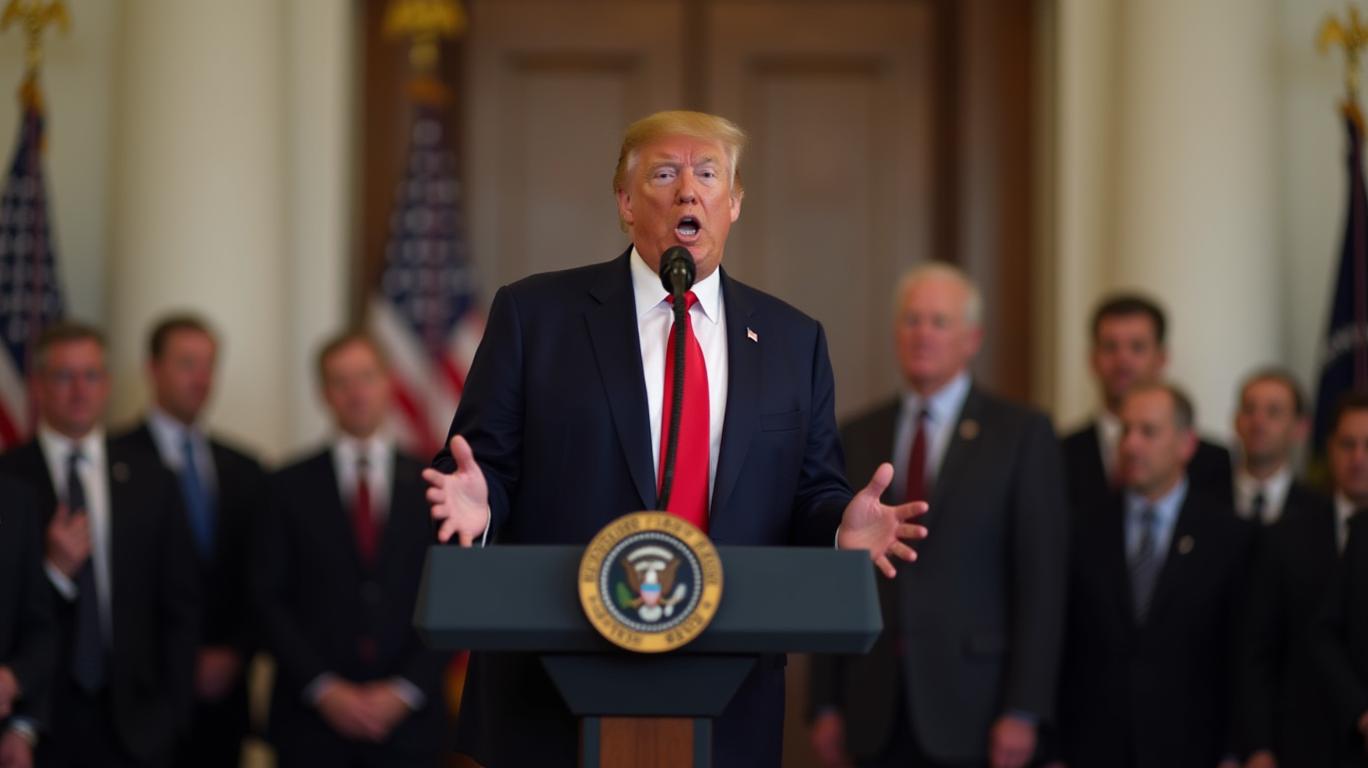
President Trump has announced new tariffs on several core industries, including automobiles, steel, pharmaceuticals, and semiconductors. This move is part of a broader strategy aimed at ensuring a robust and fair trade environment. The White House official conveyed that Trump is expected to unveil a comprehensive study focused on the Section 232 provision, which scrutinizes imports of critical technologies. This study will likely address the United States' dependence on foreign nations, particularly China, for the production of vital technological components, including chips, smartphones, and laptops. This shift underscores a significant push towards bolstering domestic manufacturing capabilities amidst global supply chain disruptions.
The Trump administration's tariff strategy has had a significant impact on the semiconductor and technology manufacturing sectors. Notably, the administration has exempted smartphones, computers, and other electronics, including semiconductors, from the tariffs. This exemption has spared these industries from potential price hikes and supply chain disruptions, providing a win for tech companies that rely heavily on Chinese manufacturing. This move mitigates the risk of increased costs and potential price increases for consumers.
The tariff exemptions for semiconductors and technology manufacturing equipment are particularly noteworthy. Semiconductors are a critical component in various electronic devices, and the exemption ensures that the supply of these components remains stable. This decision is likely to benefit companies that manufacture semiconductors and other electronic components, as it allows them to continue operating without the added burden of tariffs. The administration's decision to exempt these sectors from tariffs is part of a broader strategy aimed at protecting American industries and addressing trade imbalances. By exempting semiconductors and technology manufacturing equipment, the administration is acknowledging the importance of these sectors to the U.S. economy and the need to maintain a stable supply chain. This move is also likely to encourage domestic production and investment in these sectors, as companies seek to reduce their reliance on foreign suppliers.
The impact of the tariff strategy on the semiconductor and technology manufacturing sectors is complex. While the exemptions provide some relief, the overall tariff policy could still disrupt global supply chains and increase manufacturing costs for other industries. The administration's approach to tariffs is part of a larger effort to reshape global trade dynamics and promote domestic production. However, the long-term effects of these policies remain uncertain, and it is likely that the semiconductor and technology manufacturing sectors will continue to adapt to the changing trade landscape.

Stay ahead of the market.
Get curated U.S. market news, insights and key dates delivered to your inbox.


AInvest
PRO
AInvest
PRO



Comments
No comments yet