
Trump Announces Tariffs on Imported Pharmaceuticals to Lower Drug Prices
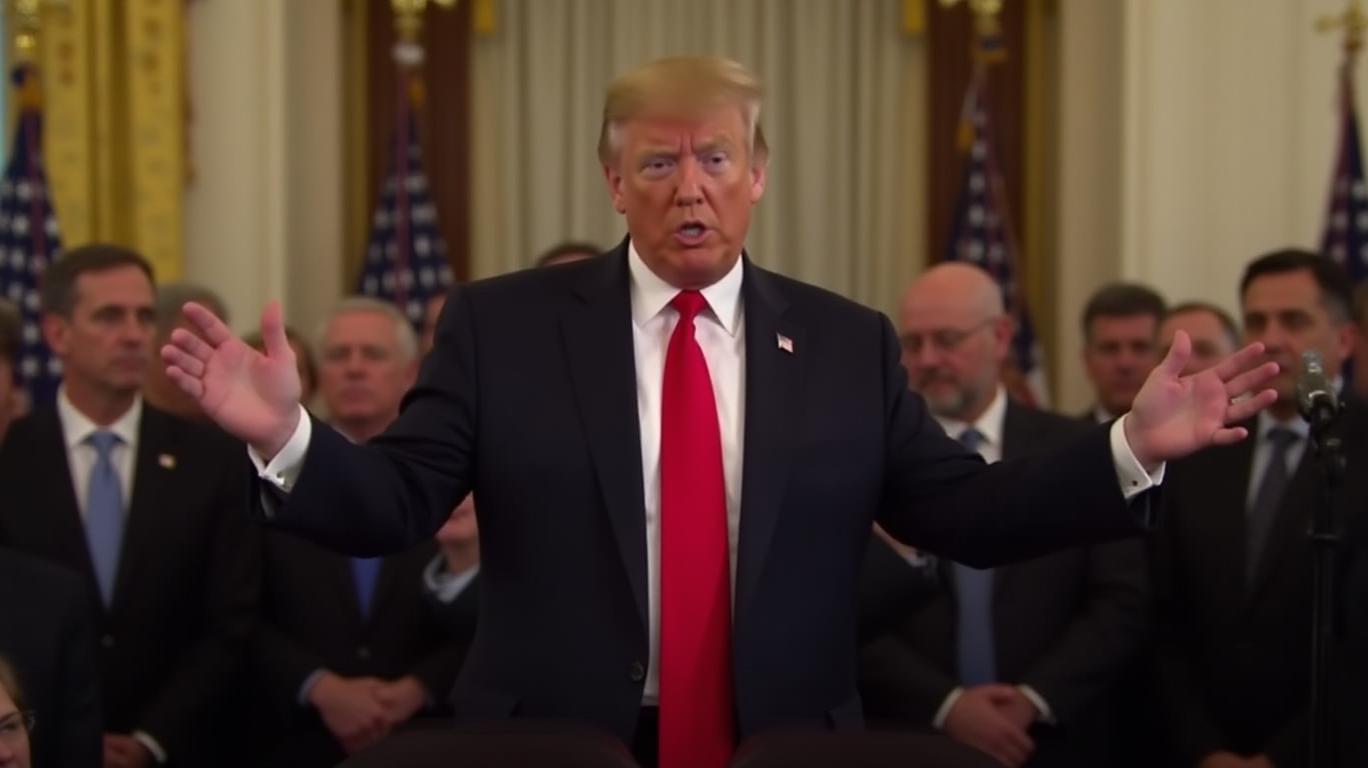
On April 8, U.S. President Donald Trump announced that the United States would impose tariffs on imported pharmaceuticals. This move is part of a broader strategy to address the high cost of drugs in the U.S. and to incentivize pharmaceutical companies to establish manufacturing facilities within the country.
Trump emphasized that the U.S. does not produce its own pharmaceuticals and other health-improving products, leading to significantly higher prices for Americans compared to countries that do produce these drugs. By imposing tariffs, Trump aims to make it more economically viable for pharmaceutical companies to set up factories in the U.S., leveraging the country's status as the "largest market."
This announcement follows Trump's previous broad tariffs on imported goods, which did not include pharmaceuticals. However, he indicated that pharmaceuticals would face separate tariffs, suggesting a targeted approach to address the specific challenges in the pharmaceutical sector.
European pharmaceutical companies have expressed concern over the potential impact of these tariffs. They warn that U.S. tariffs could accelerate the trend of the industry shifting from Europe to the U.S. This shift could have significant implications for the European pharmaceutical industry, which has long been a leader in drug development and manufacturing.
The European Federation of Pharmaceutical Industries and Associations has called for "swift and fundamental action" to mitigate the risk of the industry "leaking" to the U.S. This call to action underscores the urgency and importance of addressing the potential consequences of U.S. tariffs on the global pharmaceutical industry.
Trump's announcement highlights the complex interplay between trade policies and the pharmaceutical industry. By imposing tariffs on imported pharmaceuticals, the U.S. aims to reduce drug prices and stimulate domestic manufacturing. However, this move could also have unintended consequences, such as accelerating the shift of the pharmaceutical industry from Europe to the U.S. The long-term impact of these tariffs remains to be seen, but it is clear that they will have significant implications for the global pharmaceutical industry.

Stay ahead of the market.
Get curated U.S. market news, insights and key dates delivered to your inbox.






Comments
No comments yet