
Trump Announces New Tariff Measures on 14 Nations, Reciprocal Deadline Extended to July 1
 Aime Summary
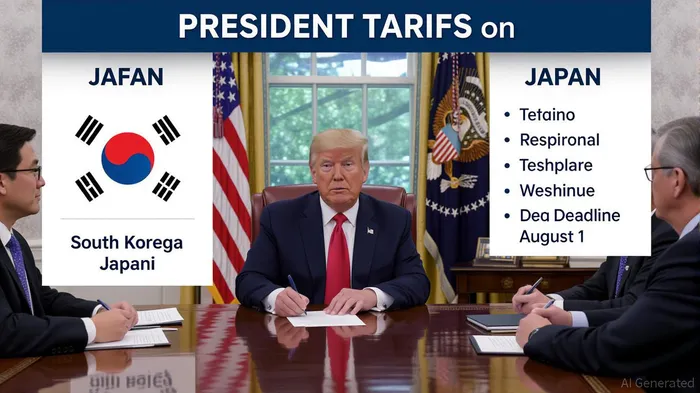
The administration of former U.S. President Donald Trump has announced the imposition of new tariffs on 14 countries, including South Korea and Japan. This move is part of a broader strategy to enforce trade reciprocity and protect domestic industries. The previously set reciprocal deadline has been extended to July 1, 2025.
The updated schedule reflects a recalibration of enforcement timelines, allowing additional time for affected nations to align their trade policies with U.S. demands. South Korea and Japan, both key U.S. allies in the Indo-Pacific region, are among the countries now subject to the new duties. These nations have historically been major trading partners with the U.S., and the imposition of tariffs could have significant implications for bilateral commerce.
The tariff adjustments are framed as a response to perceived trade imbalances and unfair trade practices. The administration has emphasized the importance of ensuring that foreign partners adhere to fair and reciprocal trade terms. The move is expected to impact a range of sectors, including manufacturing, agriculture, and technology, where South Korea and Japan play prominent roles.
The new timeline, with the reciprocal deadline now set for July 1, 2025, provides a clear benchmark for compliance. It also signals a more deliberate approach to tariff enforcement, offering affected countries a defined window to make necessary adjustments to their trade policies. This extension may allow for more structured negotiations or policy reforms aimed at avoiding the full implementation of the tariffs.
Historically, similar tariff actions by the Trump administration have led to shifts in global trade flows and prompted retaliatory measures from affected nations. The current announcement is likely to draw attention from international trade observers and could influence ongoing trade discussions. The extended deadline may also provide market participants with more time to assess the potential economic impacts and adjust accordingly.
This development underscores the ongoing emphasis on trade policy as a central component of U.S. economic strategy. With key trading partners now included in the new tariff measures, the administration is reinforcing its commitment to a rules-based and reciprocal international trade system. The July 1, 2025, deadline serves as both a policy signal and a practical benchmark for trade alignment.

Stay ahead of the market.
Get curated U.S. market news, insights and key dates delivered to your inbox.


AInvest
PRO
AInvest
PRO



Comments
No comments yet