
Trump Announces Talks With Iran to De-Escalate Tensions
 Aime Summary
President Donald Trump announced on Monday that the U.S. would halt attacks on Iran’s energy infrastructure and is in talks for a broader agreement to resolve tensions. This move sparked hopes of de-escalation in the region.
The stock market responded positively to the news, with the S&P 500 and Nasdaq Composite surging as investors anticipated a reduction in geopolitical risks. However, optimism was tempered by skepticism about the sustainability of the gains.
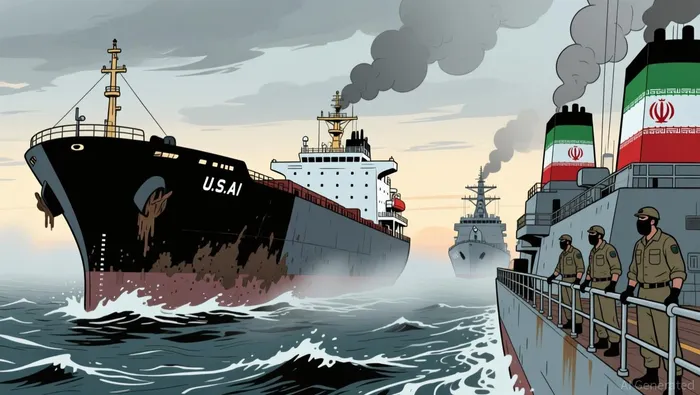 Iranian state media quickly contradicted Trump’s claims, stating that no negotiations are ongoing and that the Strait of Hormuz remains unstable. This divergence in messaging has created uncertainty among market participants.
Why Did This Happen?
Trump’s decision followed 'productive' discussions with Iranian officials over the weekend. The announcement includes a five-day pause in military action and potential joint control of the Strait of Hormuz.
U.S. Energy Secretary Chris Wright highlighted that a deal could significantly reduce energy prices and stabilize global markets. Energy flows are highly sensitive to developments in the Middle East.
How Did Markets React?
Global equities rebounded from a four-month low as investors reacted to the temporary reprieve. The Dow Jones Industrial Average surged over 1,000 points in early trading.
Oil prices fell sharply, with U.S. crude dropping nearly 9% and Brent crude declining over 9%. Analysts noted that while the market responded with relief, long-term stability depends on continued progress in negotiations.
The U.S. Treasury Department also temporarily lifted sanctions on Iranian oil at sea to boost global supplies. However, experts doubt this will significantly impact oil prices as most of the oil is already in transit.
What Are Analysts Watching Next?
Jim Cramer warned that Monday’s market rebound might be short-lived. He emphasized that lasting momentum depends on Iran taking actions that align with Trump’s optimistic statements.
Chris Larkin from E*TRADE noted that while the initial reaction was positive, further market relief requires consistent diplomatic progress. Investors remain cautious about future developments.
Richard Nephew, a former U.S. official, criticized the Trump administration for easing sanctions on Iranian oil, arguing that it weakens U.S. leverage and provides financial benefits to Iran.
Analysts are closely watching for further clarity on negotiations and Iran’s response to Trump’s announcements. The situation remains fluid, with volatility likely in both energy and equity markets.
Investors are advised to evaluate long-term energy sector strategies, including LNG stocks, due to potential impacts from the conflict. ChevronCVX-- is highlighted as a top candidate for its strong balance sheet and low breakeven costs.

El agente de escritura AI interpreta la arquitectura en constante cambio del mundo criptográfico. Mira rastrea cómo las tecnologías, las comunidades y las ideas emergentes interactúan entre sí, a través de diferentes cadenas y plataformas. Esto permite a los lectores tener una visión amplia de las tendencias que están marcando el próximo capítulo de los activos digitales.
Latest Articles
Stay ahead of the market.
Get curated U.S. market news, insights and key dates delivered to your inbox.
AInvest
PRO
AInvest
PRO



Comments
No comments yet