
Trump Announces Retaliatory Tariffs on India Starting April 2
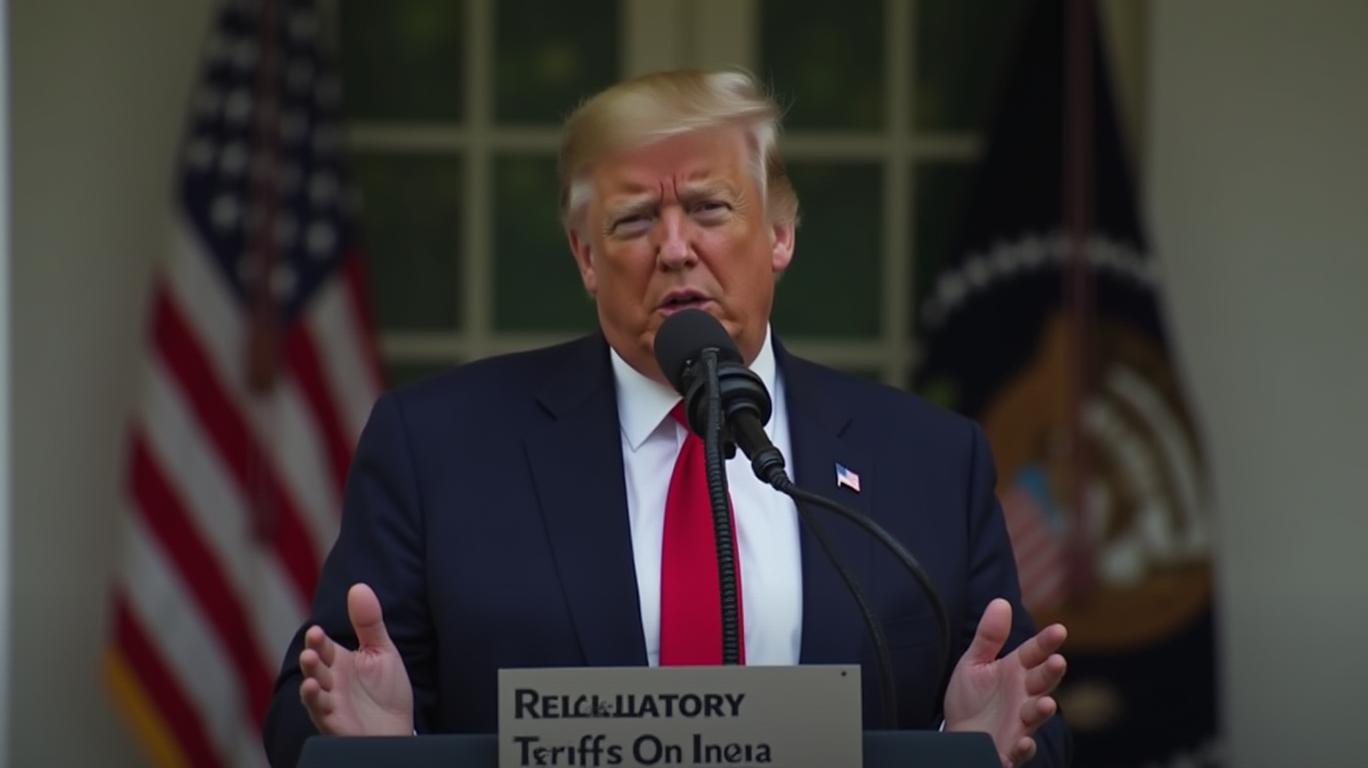
U.S. President Trump has announced that India will face retaliatory tariffs starting from April 2. This decision comes despite efforts by Indian officials to reduce trade barriers and reach a trade deal with the U.S. Trump criticized India for being "one of the highest taxing nations in the world" and indicated that the U.S. will impose tariffs equivalent to those India imposes on American goods unless India reduces its tariffs substantially.
Indian officials, however, remain optimistic about the trade negotiations. India's Commerce Minister Goyal recently visited the U.S. and reported having "forward-looking discussions" with Trump officials. Both sides aim to reach a trade agreement by the fall of this year, suggesting that India is hopeful about avoiding the tariffs through negotiations.
The U.S. administration's decision to impose these tariffs is part of a broader strategy to address trade imbalances and enforce what it perceives as fair trade practices. The specifics of the tariffs are not yet clear, but the intention is to pressure India into lowering its tariffs on U.S. imports, thereby creating a more balanced trading relationship. The April 2 deadline adds urgency to the negotiations, as both countries seek to avoid escalating tensions.
This announcement occurs against a backdrop of global trade tensions, with the U.S. already engaged in tariff disputes with several other countries. The Trump administration has been aggressive in its approach to trade, imposing tariffs on a wide range of goods. This strategy has led to retaliatory measures from affected countries, further complicating the global trade landscape.
The impact of these tariffs on India's economy is uncertain. While some analysts suggest that India may not be severely affected due to the uncertainty surrounding the specifics of the tariffs, others warn of potential disruptions in trade flows and supply chains. The Indian government has been criticized for its protectionist policies, and the new tariffs could either push it towards further protectionism or force it to engage in meaningful trade reforms.
The reciprocal tariffs are part of a broader effort by the Trump administration to overhaul U.S. trade policy. The administration has been vocal about its desire to renegotiate trade agreements and impose tariffs that it believes will benefit American workers and industries. The new tariffs on India are just one piece of this larger puzzle, as the U.S. seeks to reshape its trade relationships with key partners around the world.
The April 2 deadline for the implementation of these tariffs adds complexity to the ongoing trade negotiations between the U.S. and India. Both countries will need to navigate the intricacies of their trade relationship carefully, as the outcome could have far-reaching implications for their economies and the global trade system. The coming weeks will be crucial in determining whether the tariffs will lead to a more balanced trade relationship or further escalate tensions between the two nations.

Stay ahead of the market.
Get curated U.S. market news, insights and key dates delivered to your inbox.


AInvest
PRO
AInvest
PRO



Comments
No comments yet