
Trump Announces 'Board of Peace' and Tariffs as Geopolitical Tensions Rise
 Aime Summary
On January 18, 2026, U.S. President Donald Trump unveiled an ambitious geopolitical initiative known as the "Board of Peace," inviting 60 nations to join a new global forum aimed at resolving international conflicts. The initiative offers permanent membership to states willing to contribute $1 billion, with the U.S. president set to serve as chairman for life. The board is intended to begin operations by addressing the ongoing crisis in Gaza and will expand to other global conflicts over time. The move reflects Trump’s broader vision of U.S. leadership in global peacekeeping, though many governments have responded with caution, citing concerns over the initiative’s alignment with U.N. processes.
Simultaneously, Trump escalated pressure on European nations, particularly over his longstanding interest in acquiring Greenland. In a series of statements and social media posts, the president warned that unless a deal was reached for the total purchase of Greenland, a 10% tariff would be imposed on all goods from eight countries—Denmark, Norway, Sweden, France, Germany, the United Kingdom, the Netherlands, and Finland—beginning February 1, 2026. This would rise to 25% by June 1 of the same year. Trump cited national security concerns, arguing that both China and Russia were showing interest in the Arctic island, and that the U.S. must act decisively to prevent its strategic value from being lost.
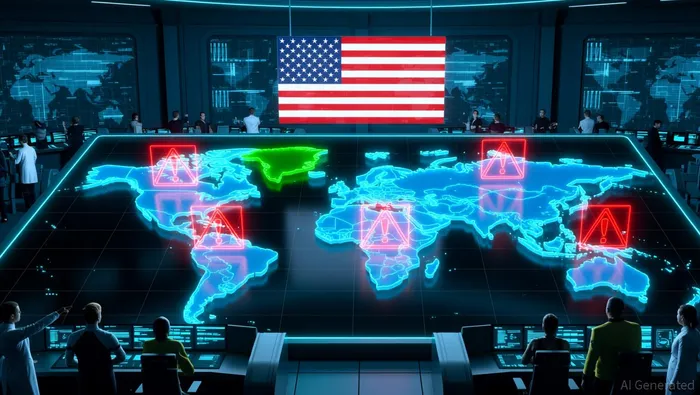
Trump emphasized that the U.S. remained open to negotiations with Denmark and other involved countries, but he made it clear that the tariffs would remain in place until a deal was reached. The president also linked the Greenland issue to the development of advanced defense systems, including the "Golden Dome," stating that Greenland’s geographical position is critical to U.S. national defense infrastructure.
The tariff threats drew swift and firm responses from European leaders. French President Emmanuel Macron condemned the move, stating that “no intimidation nor threat will influence us, neither in Ukraine, nor in Greenland, nor anywhere else.” Swedish Prime Minister Ulf Kristersson echoed the sentiment, affirming that the countries would coordinate a united response. Meanwhile, the EU called for an emergency meeting to address the potential trade fallout.
Trump’s dual initiatives—the "Board of Peace" and the Greenland-related tariffs—underscore his administration’s assertive approach to global governance and trade policy. As the U.S. seeks to redefine its role on the world stage, these actions signal a potential shift in transatlantic relations and the broader international order. The coming months will test the resolve of both the U.S. and its European counterparts as negotiations over Greenland and the new peace initiative move forward.

Stay ahead of the market.
Get curated U.S. market news, insights and key dates delivered to your inbox.






Comments
No comments yet