
Trump Announces Up to 70% Tariffs on Imports, Markets Brace for Impact
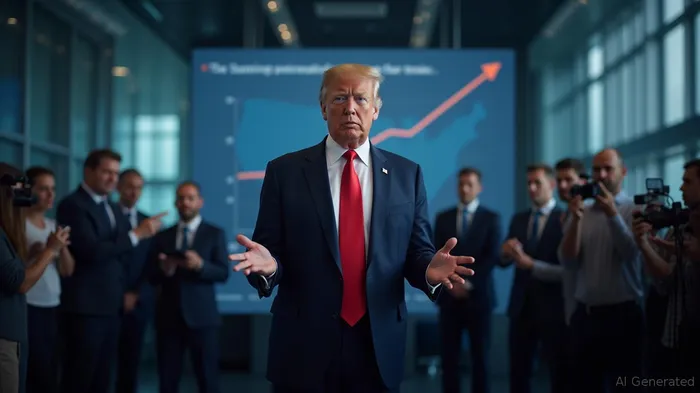
President Trump has announced that his administration will begin notifying several of its trading partners of unilateral tariffs as high as 70%, with the first round of notifications set to be sent out on Friday. This move comes ahead of a July 9 deadline for countries to strike deals with the US, with the tariffs set to take effect on August 1. The rates could range from as high as 60% or 70% to as low as 10%, depending on the country and the specific goods.
Trump has expressed a preference for simple agreements over complex negotiations, and has indicated that around 10 or 12 letters will be sent out on Friday, with more to follow in the coming days. He has stated that by the July 9 deadline, all countries will have been notified of the tariff rates they will face on exports to the US.
This proposed tariff increase could dramatically affect the U.S. economy and global markets, mirroring past trade tensions. Immediate market reactions signal financial instability. Trump threatens tariffs of up to 70%, continuing his protectionist policies. Past applications of similar tariffs led to significant economic impacts. The looming July 9 deadline has led to substantial anxiety in financial markets.
Market players are closely monitoring potential implications. Analysts predict U.S. consumer prices might rise due to these tariffs. Donald Trump affirmed tariffs will impact various global economies if enacted. U.S. officials have shown concern about the economic repercussions. Historical data indicates potential market turbulence akin to the 2018 US-China trade war. Market volatility could increase if Dow or S&P 500 experiences further volatility.
Data from previous U.S.-China trade tensions show market disruption and shifts in key asset prices, particularly in risk assets. Experts warn of rising consumer costs if tariffs are implemented at projected levels. Historical precedents show similar moves caused significant changes in equities and broader markets.
Economic analysts expect increases in consumer prices, reflecting past cases of implemented tariffs. Potential impacts include price adjustments and shifts in investment patterns. Investors might experience increased market unpredictability, with possible spillover effects impacting various asset categories.
Regulatory frameworks could adjust in response to these tariffs, potentially affecting international trade agreements. Technological sectors might also witness changes, with shifts in trade relations influencing development and collaboration.
In terms of specific countries, the US has eased export restrictions on China for chip design software and ethane, a sign that trade tensions are calming between the two countries after they agreed in May to a framework to move toward a larger trade deal. Trump has also reached a trade deal with Vietnam, which will see the country's imports face a 20% tariff, lower than the 46% he had threatened in April. Additionally, Trump has indicated that negotiations with Japan have soured, and that he would force Japan to accept higher tariffs of "30%, 35%, or whatever the number is that we determine."
The European Union has signaled its willingness to accept a 10% universal tariff on many of its exports, but is seeking exemptions for certain goods as part of a trade deal. Canada, meanwhile, has scrapped its digital services tax that was set to affect large US technology companies, and trade talks between the two countries have resumed after Trump threatened to cut off trade talks. They are aiming for a deal by mid-July.
The Trump administration's move to impose tariffs as high as 70% on imports from certain countries is a significant escalation in the ongoing trade tensions between the US and its trading partners. The tariffs are set to take effect on August 1, unless deals are reached with the affected countries before the July 9 deadline. The impact of these tariffs on global trade and the economies of the affected countries remains to be seen, but it is clear that the Trump administration is taking a hardline approach to trade negotiations.

Stay ahead of the market.
Get curated U.S. market news, insights and key dates delivered to your inbox.


AInvest
PRO
AInvest
PRO



Comments
No comments yet