
Trump Announces 25% Tariffs on Countries Buying Venezuelan Oil
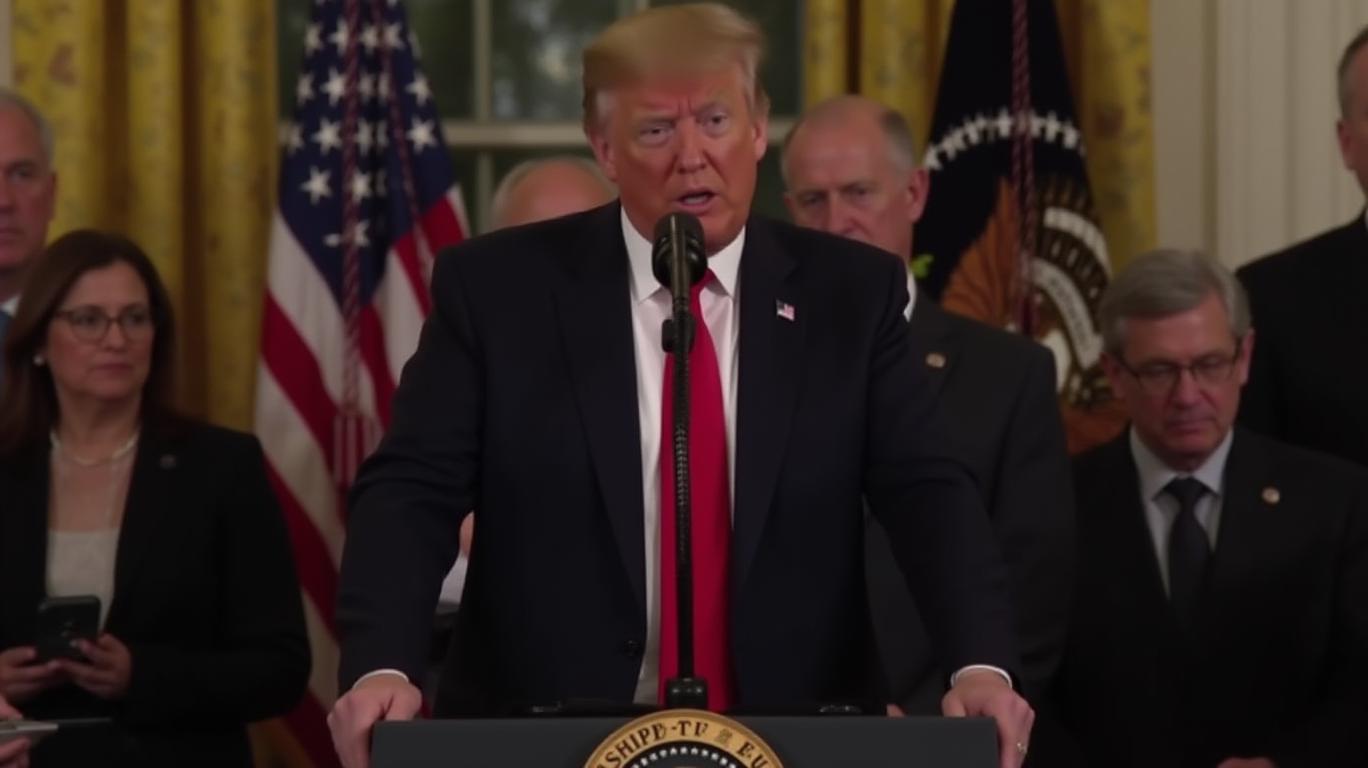
On March 25th, U.S. President Trump announced impending tariff measures targeting several key industries, including automobiles and pharmaceuticals. During a cabinet meeting, Trump confirmed that details of the forthcoming automotive tariffs would be revealed soon, following previously established steel and aluminum tariffs. He emphasized the need to control the pharmaceutical sector, indicating that industry-specific tariffs would also be announced shortly.
Trump also hinted at potential tariffs on sectors such as lumber and semiconductors, suggesting a comprehensive approach to trade regulations. The timing of these industry-specific tariffs remains uncertain, especially in relation to the retaliatory tariffs set to take effect from April 2nd. Earlier, Trump had imposed a 25% tariff on imports from Venezuela, underscoring his administration's aggressive stance on international trade.
In a significant move, Trump announced a new set of tariffs targeting countries that purchase oil or gas from Venezuela. This strategy, which imposes a 25% tariff on nations engaging in such trade with the U.S., aims to pressure these countries into ceasing their oil and gas purchases from Venezuela, thereby isolating the South American country economically. This move is part of a broader effort by the Trump administration to exert pressure on Venezuela's government, which has been accused of human rights abuses and economic mismanagement.
The pharmaceutical industry, which relies on stable and affordable oil supplies for the production of medicines and medical equipment, is particularly vulnerable to disruptions in the oil market. The automotive industry, similarly dependent on oil for manufacturing and transportation, faces increased costs and potential supply chain disruptions. The uncertainty surrounding the impact of these tariffs on Venezuelan oil exports has further exacerbated market volatility, as investors and businesses grapple with the potential economic fallout.
The announcement comes at a time when global oil markets are already under strain due to geopolitical tensions and supply disruptions. The U.S., which is a significant importer of Venezuelan oil, has itself been affected by the tariffs, as it continues to import oil from the country despite the new trade restrictions. The move has raised questions about the effectiveness of the tariffs in achieving their intended goals and the potential for retaliation from affected countries.
The tariffs are part of a broader trade strategy by the Trump administration, which has imposed tariffs on a range of goods, including metals and automotive parts, in an effort to protect domestic industries and reduce the trade deficit. The administration has argued that these measures are necessary to level the playing field for American businesses and workers, who have long been at a disadvantage due to unfair trade practices by other countries.
However, the tariffs have also drawn criticism from industry groups and economists, who argue that they will ultimately harm American consumers and businesses by increasing the cost of goods and disrupting supply chains. The pharmaceutical and automotive industries, in particular, have expressed concern about the potential impact of the tariffs on their operations and the broader economy.
The announcement of the tariffs has also raised questions about the future of U.S. trade policy and its relationship with other countries. The move has been seen as a further escalation of the trade war between the U.S. and its allies, which has already resulted in retaliatory tariffs and increased tensions. The tariffs on Venezuelan oil are likely to further strain relations with countries that rely on Venezuelan oil for their energy needs, potentially leading to further economic and political fallout.
In summary, the announcement of new tariffs on countries that purchase oil or gas from Venezuela has sent shockwaves through global markets, particularly affecting the pharmaceutical and automotive industries. The move is part of a broader trade strategy by the Trump administration aimed at exerting pressure on Venezuela's government and protecting domestic industries. However, the tariffs have also raised concerns about their potential impact on the broader economy and U.S. trade relations with other countries.

Stay ahead of the market.
Get curated U.S. market news, insights and key dates delivered to your inbox.


AInvest
PRO
AInvest
PRO



Comments
No comments yet