
Trump Announces 25% Tariff on Japan South Korea Imports
In the midst of a busy holiday weekend in the US, President Trump signed into law a sweeping domestic policy package, dubbed the “big, beautiful bill,” on July 4. With this significant legislation now in place, the White House has shifted its focus back to tariff policies. Reciprocal tariffs on dozens of countries are set to return to higher levels starting on Wednesday, marking a return to the tariff levels set on so-called Liberation Day.
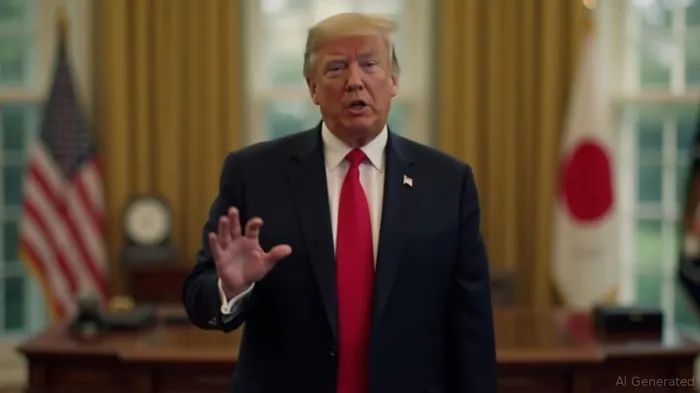
In a series of Truth Social posts, Trump announced that the US will impose a 25% blanket tariff on all imports from Japan and South Korea starting on August 1. This move comes as the White House aims to meet another critical deadline: the passage of a stablecoin and market structure bill by August. With only three work weeks remaining before Congress’ summer recess, lawmakers are under pressure to expedite the process.
To facilitate this, the US House has declared the week of July 14 as “Crypto Week.” During this period, representatives will consider three digital asset-focused bills: the GENIUS Act, the CLARITY Act, and the Anti-CBDC Surveillance Act. The GENIUS Act, which passed in the Senate last month with a vote of 68-30, has been hailed as a significant milestone for the crypto industry. However, critics argue that the bill lacks sufficient consumer protection and unfairly benefits Trump-linked stablecoin interests. Despite these criticisms, some Democrats acknowledge that the bill represents a good bipartisan effort to regulate an unregulated area of the market.
House members are expected to review the GENIUS Act and make necessary changes, potentially aligning it more closely with the STABLE Act, a similar version of the legislation that did not make it to the Senate. The GENIUS Act proposes a tiered approach to overseeing stablecoin issuers, allowing those with under $10 billion in issued assets to be monitored at the state level. In contrast, the STABLE Act establishes federal authorities as the primary regulators for stablecoins, with state power being more conditional.
The CLARITY Act, introduced by the Financial Services and Agriculture Committees, aims to establish a crypto market structure. The proposed legislation divides authority between the CFTC and SEC and defines “digital commodities.” During Crypto Week, representatives are expected to debate issues related to innovation versus investor protection and decentralization thresholds.
The Anti-CBDC Surveillance State Act, while not as high a priority as the other bills, is still a contentious issue for many Republicans. This bill seeks to prevent the Federal Reserve from issuing or researching a federal central bank digital currency. Although the market structure and stablecoin bills are likely to take precedence, the anti-CBDC bill will also be part of the discussions during Crypto Week.

Comprender de manera rápida la historia y el origen de varias monedas conocidas
Latest Articles
Stay ahead of the market.
Get curated U.S. market news, insights and key dates delivered to your inbox.


AInvest
PRO
AInvest
PRO



Comments
No comments yet