
Trump Announces 25% Auto Tariffs, Sparking Global Trade War Fears
President Trump is set to announce a series of reciprocal tariffs on Wednesday, a move that has raised global concerns about an escalating trade war. The White House confirmed the announcement but did not provide details on the scale and scope of the tariffs. The impending tariffs have sparked worries among businesses, consumers, and investors about the potential for a full-blown trade conflict.
For weeks, Trump has been hinting at a significant tariff announcement on April 2nd, which he has dubbed "Liberation Day." The new tariffs are expected to be unveiled at a press conference in the White House Rose Garden at 4 PM Eastern Time. White House spokesperson Sarah Huckabee Sanders stated that the tariffs will take effect immediately after Trump's announcement, with a 25% tariff on automobiles set to begin on April 3rd.
Trump's administration has already imposed tariffs on steel and aluminum, and while he has threatened additional tariffs in the past, these have either been canceled or delayed. Sanders' announcement suggests that Trump is committed to continuing his tariff strategy. "The President has a team of advisors who have studied these issues for decades, and our goal is to bring America back to its golden age," she said during a press briefing.
Trump's actions have heightened tensions with the United States' largest trading partners. Canada has vowed to retaliate with its own tariffs. Canadian Prime Minister Justin Trudeau stated, "We will not allow Canadian producers and Canadian workers to be at a disadvantage compared to American workers." American companies have reported that the "Buy Canadian" campaign has made it more difficult for their products to enter the Canadian market.
Other countries have also threatened retaliatory measures, despite efforts to negotiate with the White House to avoid tariffs. It remains unclear whether these efforts will succeed before Wednesday, but there is hope that they may persuade Trump to make concessions in the coming weeks. Trump believes that free trade agreements over the past few decades have lowered global trade barriers, fueling a $3 trillion import market in the United States, to the detriment of American workers and manufacturers. He argues that the surge in imports has led to a significant trade imbalance, with a goods trade deficit exceeding $1.2 trillion.
Economists warn that Trump's remedy—high tariffs—will drive up the cost of goods both domestically and internationally, dealing a blow to the global economy. The Yale Budget Lab has estimated that adding a 20% tariff on top of existing ones would increase the average cost of living for American families by at least $3,400. There are already signs that the U.S. economy is losing momentum, partly due to the uncertainty caused by Trump's fluctuating economic policies.
Surveys of businesses and households indicate that consumer confidence in the economy is waning, with fears that Trump's tariffs could lead to a resurgence in inflation. Panicked investors have sold off stocks en masse over the past month, causing the U.S. stock market to lose nearly $500 billion in value since mid-February. These risks are not confined to the United States. As businesses prepare for Trump's new tariffs, factory activity has declined worldwide from Japan to the United Kingdom, though there are signs of production rebounding as factories rush to deliver goods to consumers before the new tariffs take effect.
Economists caution that any growth may be temporary. "The U.S. tariffs will soon shift from being a boost to becoming a drag on the economy," said Julian Evans-Pritchard of Capital Economics. The global community remains on edge as Trump's tariff strategy unfolds, with the potential for widespread economic repercussions looming on the horizon. 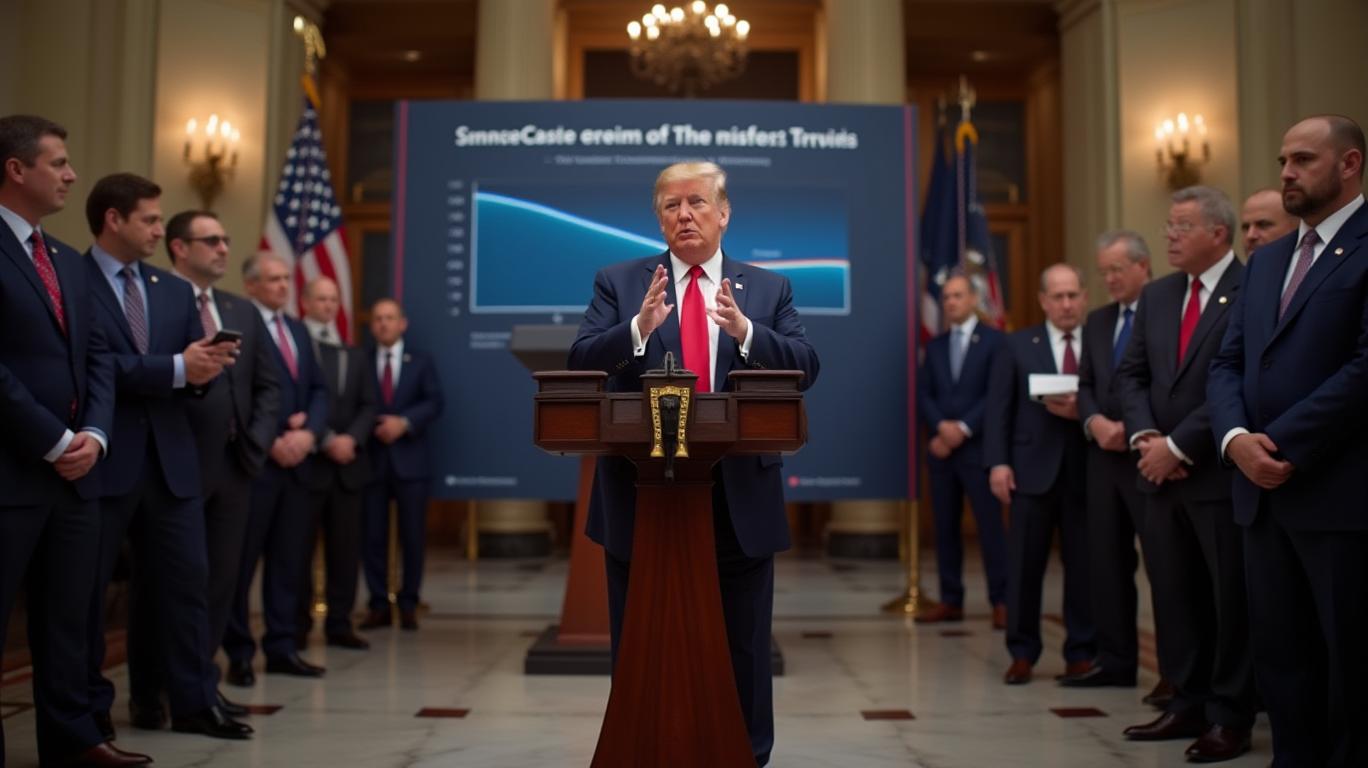

Stay ahead of the market.
Get curated U.S. market news, insights and key dates delivered to your inbox.


AInvest
PRO
AInvest
PRO



Comments
No comments yet