
Trump to Announce Semiconductor Tariffs, Reshaping Electronics Supply Chain
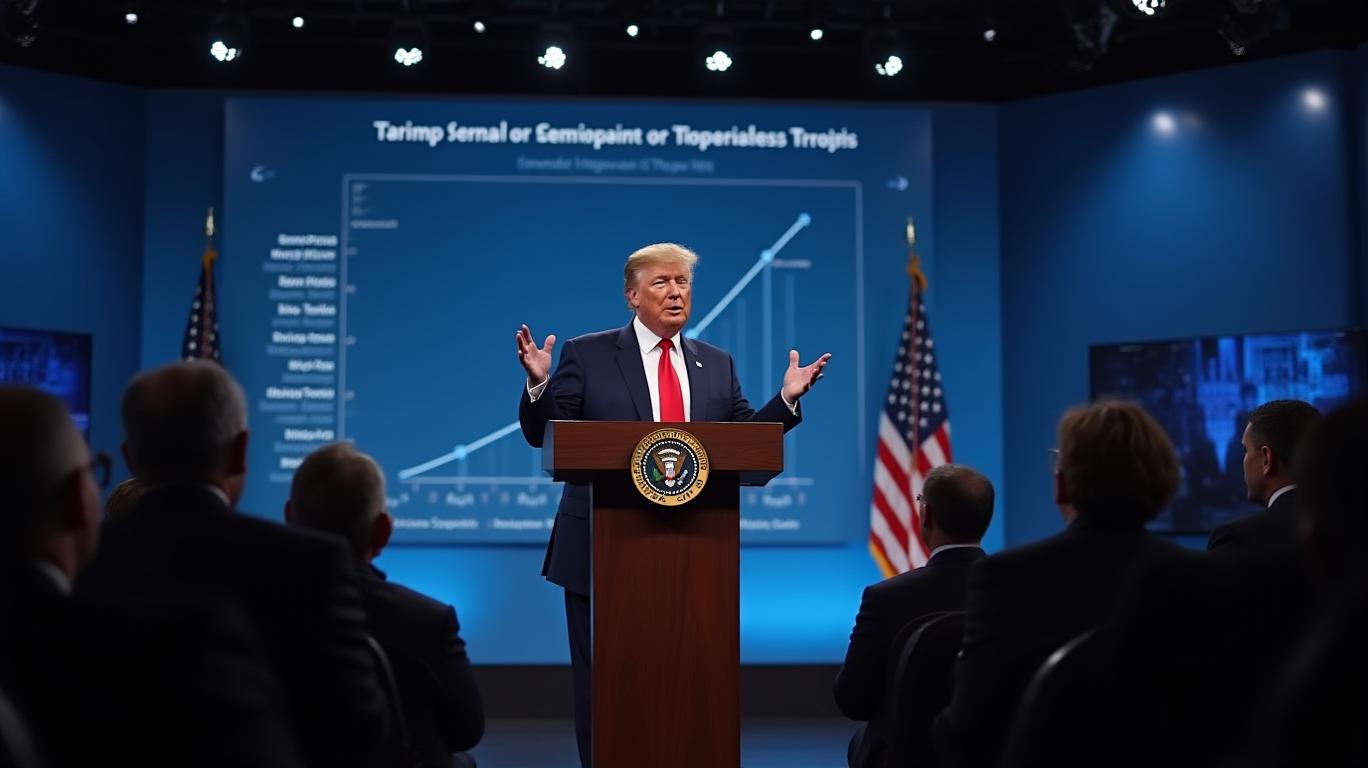
U.S. President Donald Trump has declared that he will unveil the tariff rate on imported semiconductors within the next week. This announcement is part of a larger initiative to restructure the electronics supply chain, with a specific emphasis on relocating semiconductor production back to the United States. The administration had previously granted a temporary exemption for consumer electronics, including smartphones, from its "reciprocal" tariffs. However, Commerce Secretary Howard Lutnick clarified that this exemption is temporary and that these products will eventually be subject to a separate round of tariffs specifically targeting semiconductors.
The impending tariffs on semiconductors are anticipated to be implemented within the next one to two months. This development has sparked concerns about increased costs for U.S. companies that depend on imported semiconductors for the production of smartphones and other electronic devices. The potential rise in costs could affect the profitability of these companies, as they may need to pass on the additional expenses to consumers or absorb the costs themselves.
The uncertainty surrounding the tariffs has already caused business disruptions. A survey conducted in mid-February revealed that 20% of chief financial officers at U.S. middle-market firms indicated they would raise prices in response to the tariffs, although most had not yet started planning for a global trade war. The survey also showed that 32% of these businesses reported missed opportunities due to uncertainty, 33% faced delays in product launches, and 31% experienced client turnover because of their uncertain business outlooks.
The administration's approach to tariffs has been marked by frequent changes and reversals, which have contributed to market volatility and business uncertainty. The temporary exemption of consumer electronics from the reciprocal tariffs was seen as a victory for companies like MicrosoftMSFT-- and AppleAAPL--, which rely heavily on Chinese manufacturing. However, the impending semiconductor tariffs could reverse this relief, potentially leading to higher costs for these companies and their customers.
The administration's goal is to reshape the electronics supply chain by encouraging the production of semiconductors and other critical components within the United States. This strategy aims to reduce dependence on foreign suppliers, particularly those in China, and to enhance national security. The administration has also announced plans to launch a national security investigation into the semiconductor sector, further underscoring its commitment to this goal.
In summary, Trump's upcoming announcement on semiconductorON-- tariffs is part of a broader effort to reshape the electronics supply chain and reduce dependence on foreign suppliers. While the temporary exemption of consumer electronics from reciprocal tariffs has provided some relief, the impending semiconductor tariffs could lead to increased costs for U.S. companies and consumers. The administration's approach to tariffs has been marked by frequent changes and reversals, contributing to business uncertainty and market volatility. The goal of reshoring semiconductor production to the United States is driven by national security concerns and the desire to enhance domestic manufacturing capabilities.

Stay ahead of the market.
Get curated U.S. market news, insights and key dates delivered to your inbox.




Comments
No comments yet