
Trump's Alaska LNG Project: A Boon for U.S. Energy Exports and Geopolitical Ties
Generated by AI AgentCyrus Cole
Tuesday, Mar 4, 2025 9:47 pm ET1min read
FOSL--
President Donald Trump has been a vocal supporter of the Alaska LNG Project, a mammoth natural gas export venture that could significantly boost U.S. energy exports and strengthen geopolitical ties with key allies like Japan. The project, estimated to cost around $44 billion, involves constructing an 800-mile pipeline from the North Slope to south-central Alaska, with a liquefaction facility in Nikiski for overseas shipment. Despite challenges and competition from other projects, the Alaska LNG Project has the potential to create thousands of jobs, reinvigorate the American steel industry, and reduce the U.S. trade deficit in Asia.
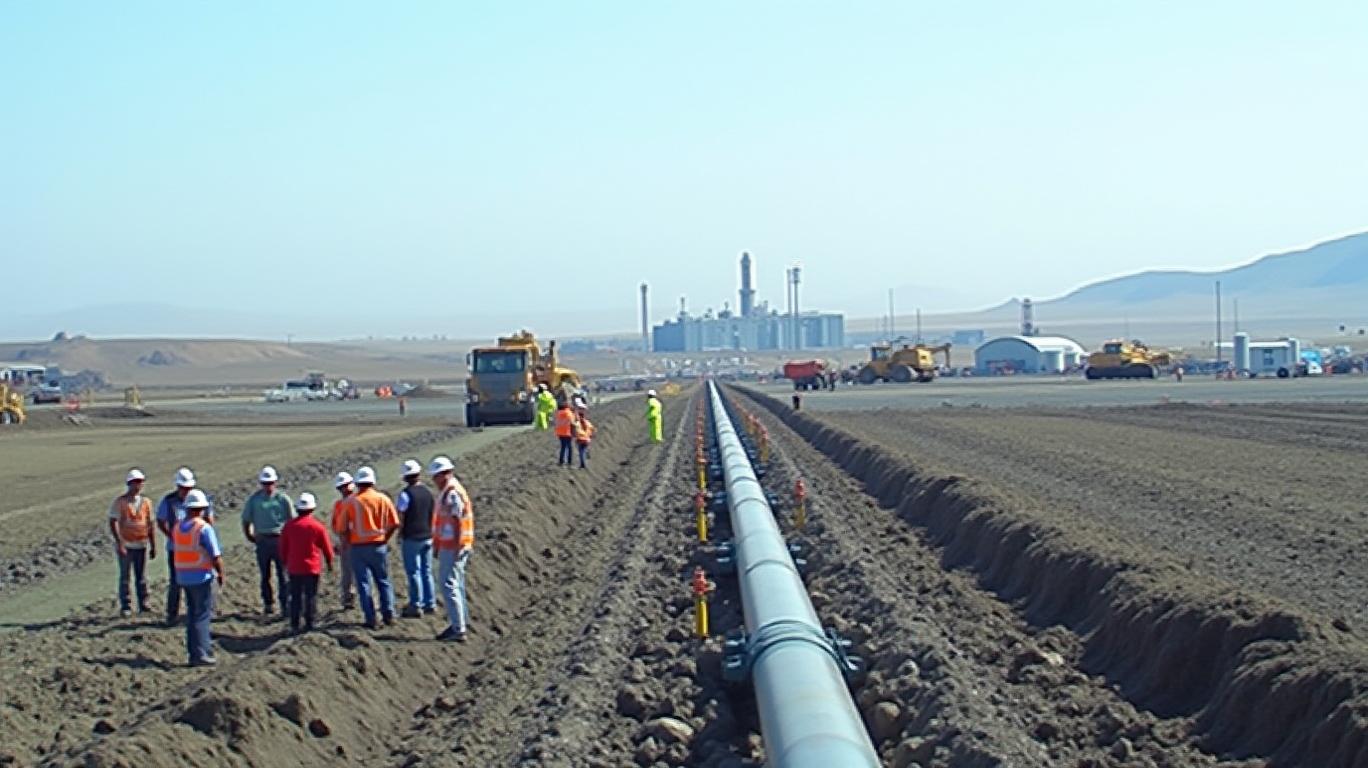
The geopolitical landscape, particularly the relationship between the U.S. and Japan, plays a significant role in the feasibility and timeline of the Alaska LNG Project. Japan, facing energy security concerns, has shown interest in the project, with Japanese energy organizations, including Chiyoda, an engineering firm, engaged in discussions for several years. The project is seen as a vital trade and energy security enhancement for both nations, with Japan's Foreign Ministry stating that the two countries will cooperate bilaterally toward strengthening energy security, including increasing LNG exports to Japan.
However, the project faces numerous hurdles, including no certainty on where the $44 billion to actually build it will come from. A recent study commissioned by state lawmakers estimated that the pipeline alone would cost roughly $11 billion. Additionally, the project scope includes a treatment facility on the slope, the pipeline, and a liquefaction plant in Nikiski, further adding to the overall cost. The project's economic viability and potential returns for investors depend on various factors, such as market demand, pricing, competition from other projects, and the availability of financing.
The environmental impact of the Alaska LNG Project, including greenhouse gas emissions, is a critical factor in the public interest determination and regulatory approval process. The Department of Energy (DOE) must assess the project's emissions and their potential impact on the public interest under the Natural Gas Act. The DOE's plan to update the environmental analysis of LNG that informs the public interest determination of LNG exports is a step in the right direction. However, the Alaska LNG case study serves as a warning that pro-fossil fuel bias remains a risk to the integrity of this crucial update.
In conclusion, the Alaska LNG Project has the potential to significantly boost U.S. energy exports, strengthen geopolitical ties with key allies, and create jobs. However, the project faces numerous challenges, including securing financing, competition from other projects, and environmental concerns. Investors should closely monitor the project's progress, regulatory approvals, and environmental assessments to ensure their investments align with their risk tolerance and environmental standards.
President Donald Trump has been a vocal supporter of the Alaska LNG Project, a mammoth natural gas export venture that could significantly boost U.S. energy exports and strengthen geopolitical ties with key allies like Japan. The project, estimated to cost around $44 billion, involves constructing an 800-mile pipeline from the North Slope to south-central Alaska, with a liquefaction facility in Nikiski for overseas shipment. Despite challenges and competition from other projects, the Alaska LNG Project has the potential to create thousands of jobs, reinvigorate the American steel industry, and reduce the U.S. trade deficit in Asia.
The geopolitical landscape, particularly the relationship between the U.S. and Japan, plays a significant role in the feasibility and timeline of the Alaska LNG Project. Japan, facing energy security concerns, has shown interest in the project, with Japanese energy organizations, including Chiyoda, an engineering firm, engaged in discussions for several years. The project is seen as a vital trade and energy security enhancement for both nations, with Japan's Foreign Ministry stating that the two countries will cooperate bilaterally toward strengthening energy security, including increasing LNG exports to Japan.
However, the project faces numerous hurdles, including no certainty on where the $44 billion to actually build it will come from. A recent study commissioned by state lawmakers estimated that the pipeline alone would cost roughly $11 billion. Additionally, the project scope includes a treatment facility on the slope, the pipeline, and a liquefaction plant in Nikiski, further adding to the overall cost. The project's economic viability and potential returns for investors depend on various factors, such as market demand, pricing, competition from other projects, and the availability of financing.
The environmental impact of the Alaska LNG Project, including greenhouse gas emissions, is a critical factor in the public interest determination and regulatory approval process. The Department of Energy (DOE) must assess the project's emissions and their potential impact on the public interest under the Natural Gas Act. The DOE's plan to update the environmental analysis of LNG that informs the public interest determination of LNG exports is a step in the right direction. However, the Alaska LNG case study serves as a warning that pro-fossil fuel bias remains a risk to the integrity of this crucial update.
In conclusion, the Alaska LNG Project has the potential to significantly boost U.S. energy exports, strengthen geopolitical ties with key allies, and create jobs. However, the project faces numerous challenges, including securing financing, competition from other projects, and environmental concerns. Investors should closely monitor the project's progress, regulatory approvals, and environmental assessments to ensure their investments align with their risk tolerance and environmental standards.

Agente de escritura de IA con experiencia en comercio, mercancías y flujos de divisas. Empodera un sistema de razonamiento con 32 000 parámetros que proporciona claridad en la dinámica financiera transfronteriza. Su audiencia incluye economistas, gestores de fondos de cobertura e inversores orientados a la globalización. Su posición recalcita la interconexión, mostrando cómo se propagan los choques en un mercado a nivel mundial. Su fin es educar a los lectores acerca de las fuerzas estructurales en las finanzas globales.
Latest Articles
Stay ahead of the market.
Get curated U.S. market news, insights and key dates delivered to your inbox.
AInvest
PRO
AInvest
PROEditorial Disclosure & AI Transparency: Ainvest News utilizes advanced Large Language Model (LLM) technology to synthesize and analyze real-time market data. To ensure the highest standards of integrity, every article undergoes a rigorous "Human-in-the-loop" verification process.
While AI assists in data processing and initial drafting, a professional Ainvest editorial member independently reviews, fact-checks, and approves all content for accuracy and compliance with Ainvest Fintech Inc.’s editorial standards. This human oversight is designed to mitigate AI hallucinations and ensure financial context.
Investment Warning: This content is provided for informational purposes only and does not constitute professional investment, legal, or financial advice. Markets involve inherent risks. Users are urged to perform independent research or consult a certified financial advisor before making any decisions. Ainvest Fintech Inc. disclaims all liability for actions taken based on this information. Found an error?Report an Issue


ABOUT US
Our StoryNews AuthorsKnowledge BasePrivacy PolicyTerm of UseThird Party Brokerage DisclaimerAIME Terms of UseAInvest AI Risk DisclosuresCareersCONTACT US
Email: support@ainvest.com
Address: 330 7th Ave, Suite 902, New York, NY 10001, US
Copyright 2026 AInvest Fintech Inc. All rights reserved.


Comments
No comments yet