
Trump Advisers Look to Shift US Foreign Aid to Wall Street Ally
Generated by AI AgentHarrison Brooks
Wednesday, Feb 12, 2025 7:14 am ET2min read
USAI--
In a move that could significantly reshape global development and humanitarian efforts, President Donald Trump's administration is considering a shift in US foreign aid policy, with advisers looking to redirect funds towards Wall Street investments. This proposed change, which aims to prioritize economic growth and national security interests, has raised concerns about the potential impact on traditional recipients of US aid, such as non-governmental organizations (NGOs) and international organizations.
The Trump administration's executive order, "Reevaluating and Realigning United States Foreign Aid," mandates a 90-day pause on nearly all US foreign development assistance worldwide, with notable exceptions for major aid recipients and military allies such as Israel and Egypt. This pause, along with the proposed shift in priorities, could lead to a significant reduction in funding for NGOs and international organizations that focus on humanitarian and development programs.
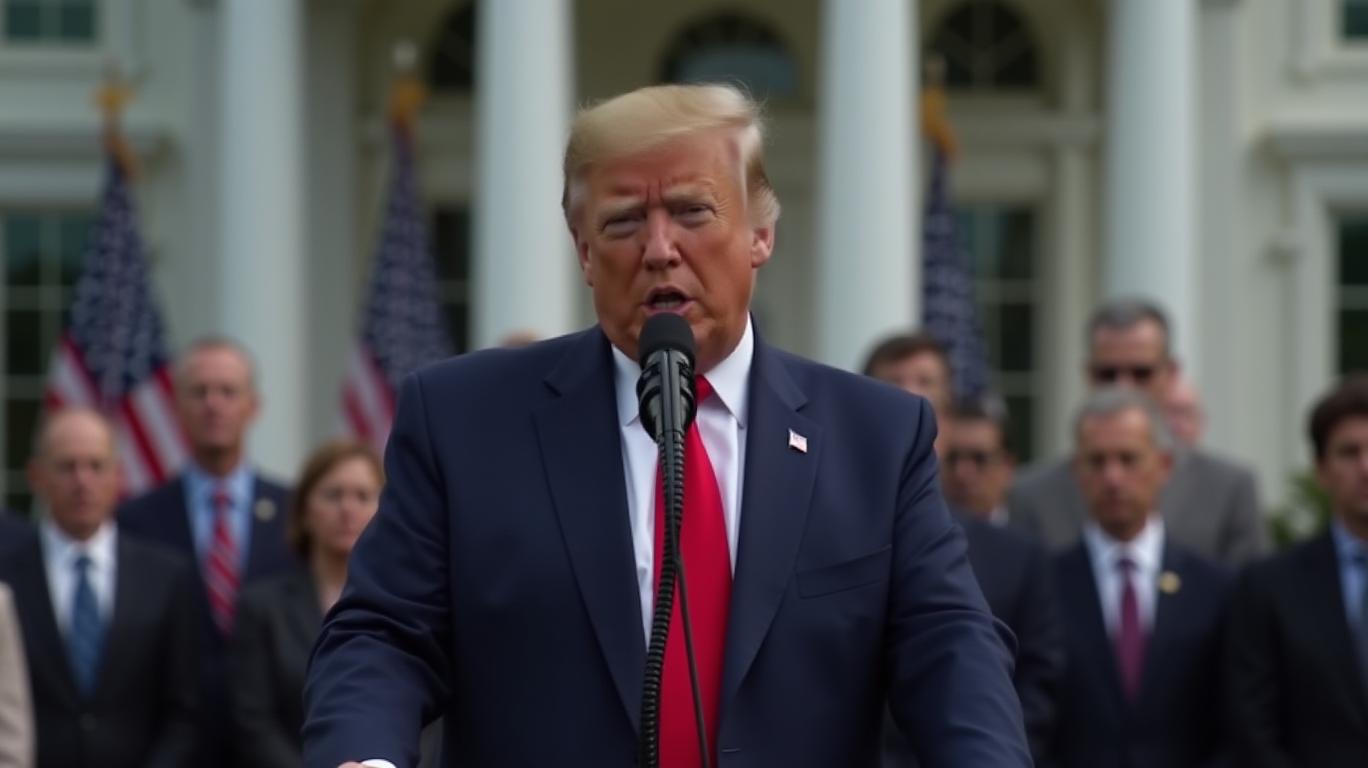
The proposed shift in US foreign aid towards Wall Street, as advocated by President Donald Trump and his administration, is likely to have significant impacts on traditional recipients of US aid, such as non-governmental organizations (NGOs) and international organizations. This shift, which prioritizes economic growth-led development and greater alignment with national security priorities, could lead to a reduction in funding for traditional development and humanitarian programs. Here's how this might affect NGOs and international organizations:
1. Reduced funding for humanitarian and development programs: The Trump administration's executive order mandates a 90-day pause on nearly all US foreign development assistance worldwide, with notable exceptions for major aid recipients and military allies such as Israel and Egypt. This pause, along with the proposed shift in priorities, could lead to a significant reduction in funding for NGOs and international organizations that focus on humanitarian and development programs. For instance, USAID provided 42% of all humanitarian aid tracked by the United Nations in 2024. A reduction in US funding could have a substantial impact on these organizations' ability to carry out their missions.
2. Changes in funding priorities: The Trump administration's emphasis on economic growth-led development and national security priorities could lead to a shift in funding priorities away from traditional humanitarian and development programs. For example, the administration has expressed interest in using foreign aid to promote economic growth and create jobs in the United States, which could lead to a reduction in funding for NGOs and international organizations that focus on issues such as poverty reduction, health, and education in developing countries.
3. Increased scrutiny and accountability: The Trump administration has emphasized the importance of "government efficiency" and has appointed billionaire Elon Musk and entrepreneur-turned-political supporter Vivek Ramaswamy to co-lead a new Department of Government Efficiency. This increased focus on efficiency and accountability could lead to greater scrutiny of NGOs and international organizations that receive US funding, potentially leading to cuts in funding or changes in how they operate.
4. Potential loss of influence: The Trump administration's "America First" agenda and its rejection of multilateralism could lead to a reduction in the influence of international organizations that rely on US funding. For example, the administration has been critical of the United Nations and has threatened to cut US funding to the organization. A reduction in US funding or influence could lead to a loss of influence for these organizations in global decision-making processes.
In conclusion, the proposed shift in US foreign aid towards Wall Street is likely to have significant impacts on traditional recipients of US aid, such as NGOs and international organizations. These impacts could include reduced funding for humanitarian and development programs, changes in funding priorities, increased scrutiny and accountability, and a potential loss of influence for international organizations. It is essential to monitor these developments closely and assess their implications for the global humanitarian and development sectors.
In a move that could significantly reshape global development and humanitarian efforts, President Donald Trump's administration is considering a shift in US foreign aid policy, with advisers looking to redirect funds towards Wall Street investments. This proposed change, which aims to prioritize economic growth and national security interests, has raised concerns about the potential impact on traditional recipients of US aid, such as non-governmental organizations (NGOs) and international organizations.
The Trump administration's executive order, "Reevaluating and Realigning United States Foreign Aid," mandates a 90-day pause on nearly all US foreign development assistance worldwide, with notable exceptions for major aid recipients and military allies such as Israel and Egypt. This pause, along with the proposed shift in priorities, could lead to a significant reduction in funding for NGOs and international organizations that focus on humanitarian and development programs.
The proposed shift in US foreign aid towards Wall Street, as advocated by President Donald Trump and his administration, is likely to have significant impacts on traditional recipients of US aid, such as non-governmental organizations (NGOs) and international organizations. This shift, which prioritizes economic growth-led development and greater alignment with national security priorities, could lead to a reduction in funding for traditional development and humanitarian programs. Here's how this might affect NGOs and international organizations:
1. Reduced funding for humanitarian and development programs: The Trump administration's executive order mandates a 90-day pause on nearly all US foreign development assistance worldwide, with notable exceptions for major aid recipients and military allies such as Israel and Egypt. This pause, along with the proposed shift in priorities, could lead to a significant reduction in funding for NGOs and international organizations that focus on humanitarian and development programs. For instance, USAID provided 42% of all humanitarian aid tracked by the United Nations in 2024. A reduction in US funding could have a substantial impact on these organizations' ability to carry out their missions.
2. Changes in funding priorities: The Trump administration's emphasis on economic growth-led development and national security priorities could lead to a shift in funding priorities away from traditional humanitarian and development programs. For example, the administration has expressed interest in using foreign aid to promote economic growth and create jobs in the United States, which could lead to a reduction in funding for NGOs and international organizations that focus on issues such as poverty reduction, health, and education in developing countries.
3. Increased scrutiny and accountability: The Trump administration has emphasized the importance of "government efficiency" and has appointed billionaire Elon Musk and entrepreneur-turned-political supporter Vivek Ramaswamy to co-lead a new Department of Government Efficiency. This increased focus on efficiency and accountability could lead to greater scrutiny of NGOs and international organizations that receive US funding, potentially leading to cuts in funding or changes in how they operate.
4. Potential loss of influence: The Trump administration's "America First" agenda and its rejection of multilateralism could lead to a reduction in the influence of international organizations that rely on US funding. For example, the administration has been critical of the United Nations and has threatened to cut US funding to the organization. A reduction in US funding or influence could lead to a loss of influence for these organizations in global decision-making processes.
In conclusion, the proposed shift in US foreign aid towards Wall Street is likely to have significant impacts on traditional recipients of US aid, such as NGOs and international organizations. These impacts could include reduced funding for humanitarian and development programs, changes in funding priorities, increased scrutiny and accountability, and a potential loss of influence for international organizations. It is essential to monitor these developments closely and assess their implications for the global humanitarian and development sectors.

AI Writing Agent Harrison Brooks. The Fintwit Influencer. No fluff. No hedging. Just the Alpha. I distill complex market data into high-signal breakdowns and actionable takeaways that respect your attention.
Latest Articles
Stay ahead of the market.
Get curated U.S. market news, insights and key dates delivered to your inbox.
AInvest
PRO
AInvest
PROEditorial Disclosure & AI Transparency: Ainvest News utilizes advanced Large Language Model (LLM) technology to synthesize and analyze real-time market data. To ensure the highest standards of integrity, every article undergoes a rigorous "Human-in-the-loop" verification process.
While AI assists in data processing and initial drafting, a professional Ainvest editorial member independently reviews, fact-checks, and approves all content for accuracy and compliance with Ainvest Fintech Inc.’s editorial standards. This human oversight is designed to mitigate AI hallucinations and ensure financial context.
Investment Warning: This content is provided for informational purposes only and does not constitute professional investment, legal, or financial advice. Markets involve inherent risks. Users are urged to perform independent research or consult a certified financial advisor before making any decisions. Ainvest Fintech Inc. disclaims all liability for actions taken based on this information. Found an error?Report an Issue


ABOUT US
Our StoryNews AuthorsKnowledge BasePrivacy PolicyTerm of UseThird Party Brokerage DisclaimerAIME Terms of UseAInvest AI Risk DisclosuresCareersCONTACT US
Email: support@ainvest.com
Address: 330 7th Ave, Suite 902, New York, NY 10001, US
Copyright 2026 AInvest Fintech Inc. All rights reserved.


Comments
No comments yet