
Trump Administration Weighs Gaming Tariffs as Console Prices Hit Record Highs
 Aime Summary
- The Trump administration is evaluating new semiconductor tariffs that would extend to finished electronics, including gaming consoles like the PlayStation 5, Xbox Series X, and Nintendo Switch 2.
- Console prices have already surged significantly, with the PS5 up $150 and the Xbox Series X up $300 from their launch prices due to AI-driven component shortages.
- Proposed policies link tariff relief to concrete commitments from manufacturers to build or expand semiconductor production within the United States.
- Industry groups warn that absorbing new tariff costs would further compress profitability, while passing these costs to consumers risks suppressing unit sales.
- The policy framework mirrors broader trade strategies implemented since early 2026, including a 25% levy on AI chips that previously triggered immediate price hikes.
The Trump administration is actively considering a new round of semiconductor tariffs that would specifically target finished electronics, including gaming hardware such as the PlayStation 5, Xbox Series X, and Nintendo Switch 2. This proposal represents a significant escalation from previous measures, which primarily focused on chip components, to now encompassing devices heavily reliant on semiconductors. A Politico report from August 27, 2026, cites eight anonymous sources indicating that these early-stage proposals could hit finished electronics. The policy framework, reportedly backed by Commerce Secretary Howard Lutnick, aims to tie tariff relief to concrete commitments from manufacturers to build or expand semiconductor production within the United States. This approach mirrors broader trade strategies implemented since early 2026, including a 25% levy on AI chips that previously triggered immediate price hikes and supply chain disruptions.
For the gaming industry, the implications are severe. Console manufacturers like SonySONY--, Microsoft, and Nintendo operate supply chains predominantly in Asia, with thin hardware margins. Absorbing new tariff costs would further compress profitability, while passing these costs to consumers risks suppressing unit sales. This challenge is compounded by existing supply constraints; surging demand for AI infrastructure has already created RAM shortages, squeezing the availability of gaming hardware. Previous attempts to mitigate tariff impacts, such as exemptions for consumer-facing applications and data centers, may be eliminated under the new proposal.
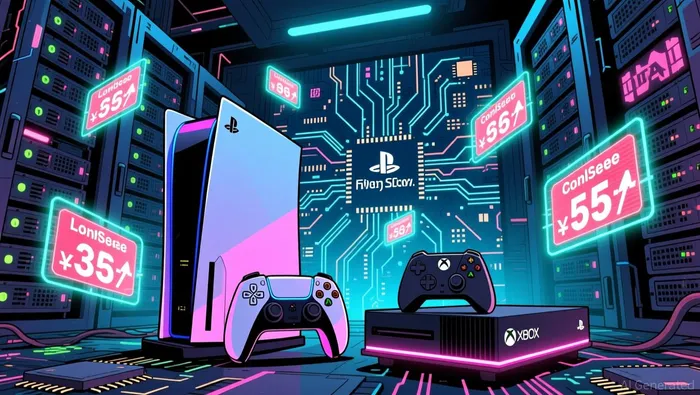
Why Are Console Prices Already So High?
Console prices have already climbed sharply before the potential implementation of new tariffs. The PlayStation 5 now costs $150 more than at launch, and the Xbox Series X is up $300. These price increases are driven largely by AI infrastructure demand creating RAM shortages. Surging demand for AI infrastructure has created RAM shortages squeezing gaming hardware availability. Nvidia recently flagged that gross profit margins would be pressured by elevated memory chip costs. The tech industry is pushing back, citing an existing supply shortage of memory chips crucial for AI systems.
Although reshoring efforts have attracted hundreds of billions in investment, meaningful capacity to offset import dependency remains years away. Industry advocates note that while they support boosting U.S. chip production, manufacturing facilities take billions of dollars and multiple years to build. Until capacity expands, American firms will rely on imports from Asian suppliers in Taiwan, South Korea, and Malaysia. Trade associations argue that building advanced fabs requires multi-billion-dollar investments and years of construction. Until domestic capacity expands, U.S. companies will remain reliant on foreign supplies, particularly from Taiwan, which produces over 90% of sophisticated chips.
How Will Tariffs Impact Gaming Hardware Margins?
The proposed policies may include a staggered rollout tied to domestic chip production commitments, aiming to encourage US manufacturing. A phase-in period for the tariffs is under consideration, though the framework may be revised. The administration is considering a staggered rollout to allow companies time to adjust supply chains or qualify for exemptions based on domestic production pledges. However, the lack of clear benchmarks and the immediate pressure on already inflated console prices present substantial risks to the gaming sector's market share and operational stability.
Lutnick’s preferred model would establish duty-free import volumes linked to investment pledges, though skeptics warn this could create a disparity between exempt supply and actual enterprise demand. The policy structure remains fluid, with officials evaluating a gradual rollout and distinct rates for different nations. A phased rollout with clear benchmarks would offer more runway for supply chain adjustments than a broad, immediate levy. The final structure of any tariff implementation—whether phased with benchmarks or immediate and broad—will significantly impact how companies adjust supply chains and manage costs.
While the administration views reshoring as a top priority, citing hundreds of billions in existing commitments, industry groups express concern. The White House is mulling expanding import duties to include laptops, gaming consoles, and data center servers. Under an approach favored by Commerce Secretary Howard Lutnick, relief for foreign firms would be tied to investments in U.S. chip manufacturing. Industry groups have warned that such duties could hinder AI infrastructure development and data center construction, as companies continue to rely heavily on foreign chip supplies.
Microsoft is testing a new Xbox feature that allows owners of supported physical game discs to claim digital entitlements, extending access across the Xbox ecosystem. Xbox Insiders can begin testing the feature on August 31, with most disc-based games for Xbox One and Xbox Series X expected to support it initially. Under the system, inserting an eligible disc launches the game and claims its digital entitlement, enabling features like Xbox Play Anywhere and Xbox Cloud Gaming where supported. The physical disc continues to function as before after the claim. Microsoft describes this as part of broader game-preservation efforts, emphasizing the importance of maintaining access as technology and distribution methods evolve.

Blending traditional trading wisdom with cutting-edge cryptocurrency insights.
Latest Articles
Stay ahead of the market.
Get curated U.S. market news, insights and key dates delivered to your inbox.


AInvest
PRO
AInvest
PRO




Comments
No comments yet