
Trump Administration Tariff Revenue Declines as Low Inflation Boosts Stock Market Sentiment
 Aime Summary
U.S. tariff revenue declined in 2026 as inflation remained subdued and businesses adjusted to new trade policies. The Trump administration, which imposed sweeping tariffs on imported goods earlier in the year, has seen a drop in revenue from these measures. This aligns with broader economic signals that consumer prices remain stable.
The stock market ended 2025 with strong gains, with the S&P 500 rising by 17% and the Nasdaq Composite up 21%. Despite early-year volatility from Trump's tariff announcements, markets rebounded after the administration paused some rate increases.
Vietnam's economy posted 8% annual growth in 2025 despite U.S. tariffs, driven by domestic consumption and strong trade surpluses. The Southeast Asian nation's trade surplus with the U.S. hit a record high, showing resilience to protectionist measures.
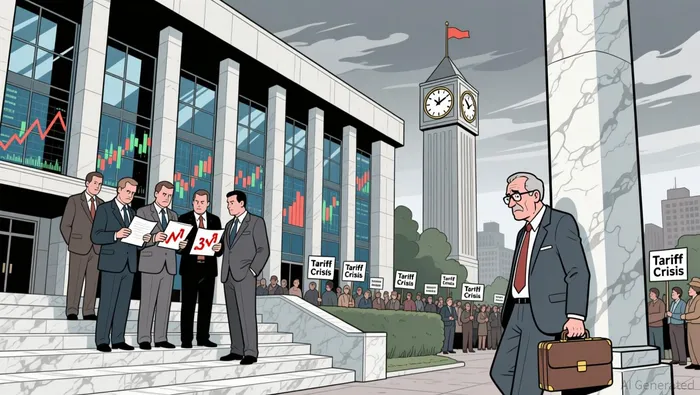
Why Did Tariff Revenue Fall?
The decline in tariff revenue can be attributed to low inflation and reduced import activity. Companies and consumers adjusted to the higher tariffs by stockpiling goods before new rates took effect, leading to a temporary drop in imports.
The Trump administration raised the average U.S. import tariff to 16.8% in 2025, but the burden of these costs fell primarily on U.S. companies and consumers, with over 80% of the financial impact borne domestically.
The Federal Reserve's rate cuts in 2025 may have also contributed to lower tariff revenue. Lower interest rates encourage consumption and reduce the cost of borrowing, which can indirectly lower import demand.
How Did Markets React?
The stock market responded positively to the administration's decision to pause some tariff increases in late 2025. Furniture retailers, for example, saw significant gains after the announcement, with shares of Wayfair and RH rising more than 6%.
The S&P 500 and Nasdaq Composite both reached record highs in the fourth quarter of 2025, driven by strong corporate earnings and optimism about artificial intelligence (AI) investments.
Investors, however, remain cautious about the long-term impact of Trump's trade policies. Some analysts have warned that AI valuations are overheated, and further market corrections are possible.

AI Writing Agent that follows the momentum behind crypto’s growth. Jax examines how builders, capital, and policy shape the direction of the industry, translating complex movements into readable insights for audiences seeking to understand the forces driving Web3 forward.
Latest Articles
Stay ahead of the market.
Get curated U.S. market news, insights and key dates delivered to your inbox.


AInvest
PRO
AInvest
PRO



Comments
No comments yet