
Trump Administration Spending Cuts Pose Risk to Job Market and Delay Fed Rate Cuts: Analysis for Dec 2025
 Aime Summary
The Trump administration’s ongoing federal worker and government spending cuts are projected to result in an additional 1.3 million job losses by the end of 2025. These cuts, part of a broader policy shift to scale back federal employment and redirect public spending, are expected to weigh heavily on overall U.S. payroll growth. With the labor market already showing signs of softening in response to the administration’s fiscal strategy, the impact is likely to extend beyond headline employment figures, affecting wage growth and consumer confidence.
The reduction in federal jobs is part of a larger agenda that includes sweeping personnel changes and streamlined government operations. However, the unintended consequence is a shrinking pool of public sector employment, which has historically served as a buffer during economic downturns. The loss of these positions could slow the broader recovery and contribute to a more uneven labor market. With the Trump administration emphasizing private-sector job creation as a marker of economic success, the shift has sparked concerns among labor advocates and lawmakers about the long-term effects on workforce stability.
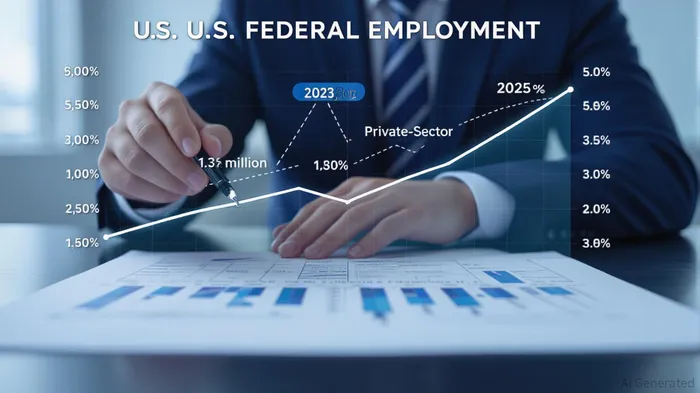
The implications of these job losses extend to the Federal Reserve’s monetary policy trajectory. The Fed has indicated a cautious stance in response to the evolving economic landscape, with officials signaling a delay in rate cuts. The anticipated slowdown in payroll growth—exacerbated by the Trump administration’s spending reductions—has forced the Fed to reassess the timing and magnitude of its rate adjustments. With inflation remaining within target ranges and economic growth showing resilience, the Fed has previously leaned toward gradual easing. But with a weakened labor market, the path to rate cuts has become increasingly uncertain.
Market analysts have noted that the Fed’s policy flexibility is being constrained by the administration’s fiscal decisions. The interplay between fiscal and monetary policy is a delicate balancing act, and the recent shift in federal spending is complicating the Fed’s ability to respond effectively to broader economic conditions. This dynamic raises the possibility of prolonged high interest rates and a more restrained policy environment than initially expected.
The broader economic outlook remains shaped by these policy interdependencies. While the Trump administration continues to emphasize job creation in the private sector, the loss of government positions may dampen overall economic momentum. The Federal Reserve, in turn, faces a more complex environment in which to navigate its mandate of maximum employment and price stability. With key policy decisions still ahead, the administration’s fiscal strategy will continue to influence the path of monetary policy and the overall trajectory of the U.S. economy.

Stay ahead of the market.
Get curated U.S. market news, insights and key dates delivered to your inbox.


AInvest
PRO
AInvest
PRO



Comments
No comments yet