
Trump Administration Seeks Unsealing of Epstein Grand Jury Records
 Aime Summary
The Trump administration has taken a significant step in response to mounting pressure from its own supporters by requesting a federal court to unseal secret documents related to the Jeffrey Epstein case. This move comes as an attempt to address a political crisis that has been largely self-inflicted. The administration's decision to seek the release of grand jury records, however, does not include the Justice Department files that critics have been demanding, which has left many unsatisfied.
The controversy surrounding the Epstein case has been a thorn in the side of the Trump administration since the Justice Department announced last week that it would not release any additional evidence from the sex trafficking investigation into Epstein, who died in prison in 2019. The latest development in this saga occurred when a newspaper described a sexually suggestive letter allegedly bearing Trump's name, which was included in a 2003 album for Epstein's 50th birthday. Trump vehemently denied writing the letter, labeling it as "false, malicious, and defamatory."
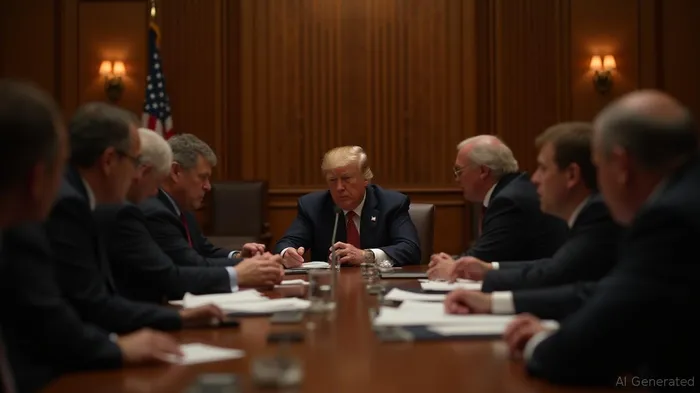
In response to the publication of the letter, Trump directed Attorney General Pam Bondi to produce any and all pertinent grand jury testimony, subject to court approval. Bondi subsequently announced that the Justice Department would file a motion on Friday to ask the court to unseal the grand jury transcripts. Deputy Attorney General Todd Blanche filed the motion, urging the court to release the transcripts. However, the release of these transcripts is not guaranteed to satisfy critics who are demanding full transparency about the evidence against Epstein.
Grand jury proceedings are typically kept secret to protect the reputations of individuals who are not charged and to encourage reluctant witnesses to testify. Grand jury transcripts, which could reveal witness testimony and other evidence presented by prosecutors, are rarely released by courts unless necessary for a judicial proceeding. The principle of grand jury secrecy is so sacred under the law that government officials who improperly disclose testimony can face prosecution. Witnesses, however, are not bound by these rules.
Even with the Justice Department's endorsement, the process of deciding what can be released and how to protect witnesses and other sensitive victim information could take weeks or months of legal wrangling. It is also unlikely that the transcripts would provide any insight into the financier's connections to other powerful figures, a topic of great interest to conspiracy theorists.
In other high-profile investigations, courts have blocked the release of grand jury materials. For instance, House Democrats in 2019 sought grand jury testimony from special counsel Robert Mueller’s investigation during Congress's impeachment inquiry into Trump. The Justice Department successfully fought for years to keep that material secret.
The administration's decision to seek grand jury transcripts provides a convenient explanation for why more material has not yet been released. However, the uproar over the Epstein files was never about the grand jury transcripts; it was about the thousands of other pages in the government's possession that the administration now says it won't release. Facing outrage after the first release of Epstein files in February, Bondi stated that officials were reviewing a "truckload" of previously withheld evidence handed over by the FBI. After a months-long review, the Justice Department determined that no further disclosure would be appropriate or warranted.
The Justice Department has not fully explained why none of that material could be released, noting in its memo earlier this month that much of it was placed under seal by a court to protect victims and that only a fraction of it would have been aired publicly had Epstein gone to trial. Since then, Bondi has largely refused to answer questions from reporters about the matter.
House Republicans may vote next week on a resolution that seeks to appease GOP demands for more transparency on the Epstein case. The resolution calls on the Justice Department to publicly release records, but it carries no legal force. House Speaker Mike Johnson stated that House Republicans are for transparency and are looking for a way to say that they agree with the White House. Democrats, with the support of nine Republicans, have advanced their own legislation that would require the Justice Department to release more information about the case.

Stay ahead of the market.
Get curated U.S. market news, insights and key dates delivered to your inbox.


AInvest
PRO
AInvest
PRO



Comments
No comments yet