
Trump Administration Reverses Crypto Restrictions Boosting Institutional Participation
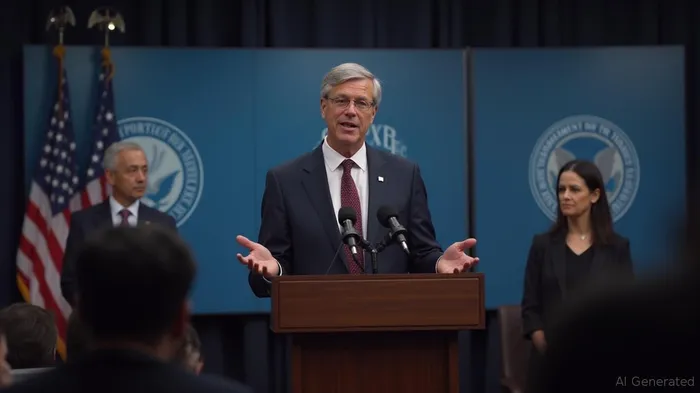
President Donald J. Trump, on April 2025, announced significant changes in U.S. cryptocurrency policy by reversing Federal Reserve restrictions at a press conference in Washington D.C. These actions mark a substantial policy shift towards a more favorable crypto environment, aimed at increasing institutional participation in the crypto markets.
Under the new guidance, the Federal Reserve will collaborate with other agencies to remove prior banking restrictions. This move impacts the Strategic BitcoinBTC-- Reserve and the overall digital asset strategy. The immediate effects include eased banking limitations, prompting increased participation from banks and institutions in crypto markets. The removal of restrictions on Bitcoin and DeFi activities is expected to foster institutional investment, aligning with the U.S. goals for crypto expansion.
The Federal Reserve Chair stated, "The Fed would work with the Federal Deposit Insurance Corporation (FDIC) and the Office of the Comptroller of the Currency (OCC) to consider whether additional guidance to ‘support innovation, including crypto-asset activities, is appropriate.’" This statement underscores the administration's commitment to encouraging innovation in the crypto sector.
The implications of these regulatory changes extend to both financial and political sectors, likely energizing cryptocurrency markets. The U.S. government's asset allocation in Bitcoin, alongside strategic stockpiling, emerges as a critical influence. Agencies are revising frameworks to encourage innovation in crypto assets, reflecting a strategic shift towards embracing digital assets.
These regulatory changes hint at potential shifts in global cryptocurrency leadership. The alignment with past gold stockpile precedents signals strategic asset growth. These changes deliver favorable conditions for digital assets and may set the stage for the U.S. to become a global leader in the crypto space.
The Trump administration has been actively pushing for crypto-friendly reforms within the Federal Reserve's policy framework. This initiative includes the approval of a strategic Bitcoin reserve, positioning Bitcoin as a key component of the administration's financial strategy. The move has garnered significant interest from the crypto community, signaling a potential shift in the regulatory landscape towards greater acceptance and integration of cryptocurrencies.
The administration's decision to advance crypto-friendly policies is part of a broader effort to modernize financial regulations and reduce the administrative burden on financial institutionsFISI--. This includes the potential elimination of the Federal Financial Institutions Examination Council (FFIEC) Manual, which has been criticized for its nonbinding guidance that is often applied as law. The administration aims to replace this manual with new rules crafted through a more transparent and inclusive process, involving input from relevant stakeholders.
The strategic Bitcoin reserve is expected to include Bitcoin among other cryptocurrencies, reflecting the administration's recognition of the growing importance of digital assets in the global financial system. This move is seen as a bold step towards embracing the potential of cryptocurrencies to drive innovation and economic growth.
The administration's push for crypto-friendly reforms is part of a larger effort to redefine the role of the Federal Reserve in the digital age. This includes proposals to allow banks to be considered "well managed" even if they are found to be deficient in their governance and controls. Such proposals aim to streamline regulatory processes and reduce the burden on financial institutions, while still ensuring compliance with key financial regulations.
The administration's focus on crypto-friendly policies is also part of a broader effort to reduce the administrative state and promote economic growth. By embracing digital assets and modernizing financial regulations, the administration aims to create a more dynamic and competitive financial system that can better serve the needs of consumers and businesses alike. This includes proposals to eliminate the FFIEC Manual and replace it with new rules that are subject to notice-and-comment rulemaking, ensuring greater transparency and accountability in the regulatory process.
The administration's push for crypto-friendly reforms is expected to have significant implications for the future of digital assets and the broader financial system. By embracing cryptocurrencies and modernizing financial regulations, the administration aims to create a more dynamic and competitive financial system that can better serve the needs of consumers and businesses alike. This includes proposals to eliminate the FFIEC Manual and replace it with new rules that are subject to notice-and-comment rulemaking, ensuring greater transparency and accountability in the regulatory process. The administration's focus on crypto-friendly policies is part of a broader effort to reduce the administrative state and promote economic growth, reflecting a commitment to innovation and modernization in the financial sector.

Stay ahead of the market.
Get curated U.S. market news, insights and key dates delivered to your inbox.






Comments
No comments yet