
Trump Administration Plans National Bitcoin Reserve Funded by Tariffs
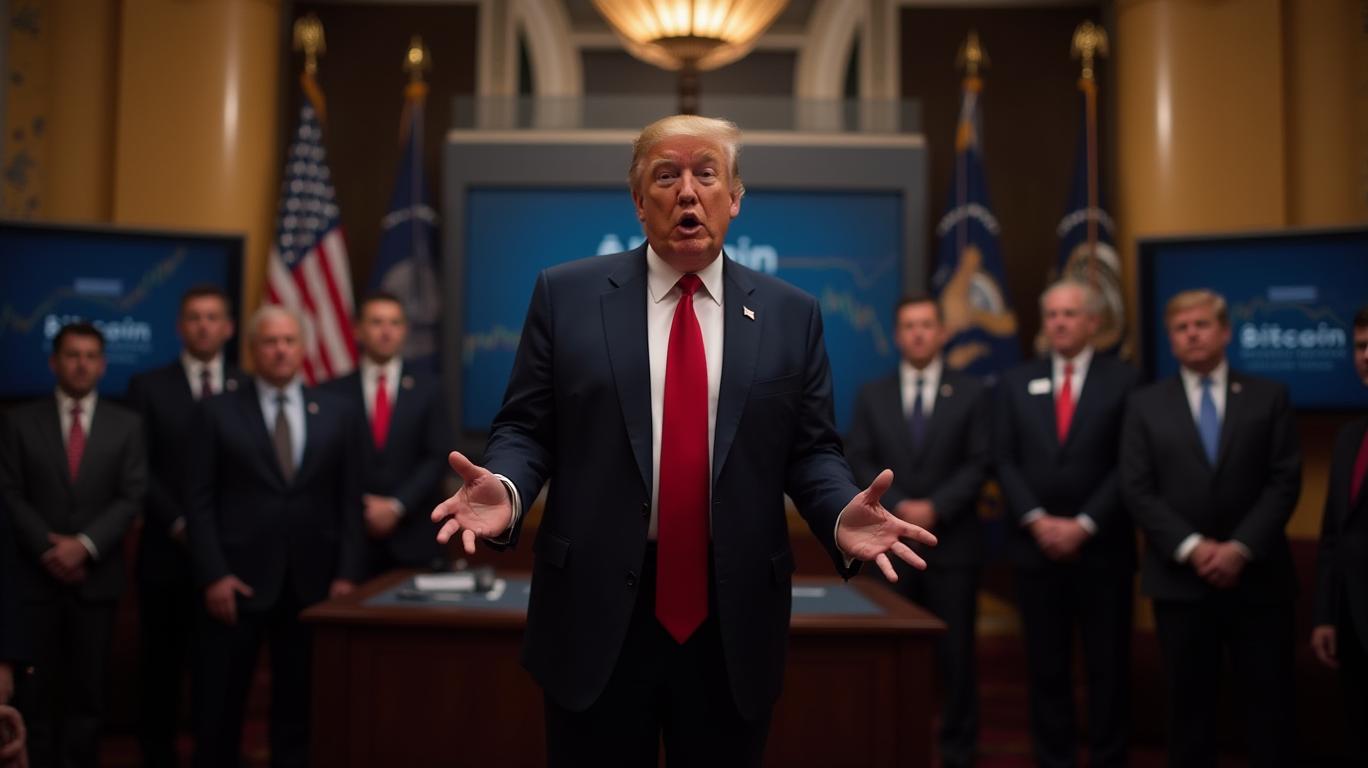
The Trump administration is exploring a strategic initiative to establish a national Bitcoin reserve, funded by tariff revenues. This move is seen as a response to intensifying global competition for digital assets, with the administration aiming to leverage Bitcoin as a tool for national interests.
Bo Hines, the executive director of the Presidential Council on Digital Assets, has emphasized the urgency of this initiative. He believes that the U.S. must act swiftly to accumulate Bitcoin under a budget-neutral framework, primarily by tapping into tariff revenues. This approach is designed to position the U.S. at the forefront of the cryptocurrency race, recognizing the finite nature of Bitcoin and the need for rapid acquisition.
Hines has articulated a long-term vision for this strategy, highlighting the potential of tariffs, Bitcoin, and gold as integral components of the administration’s macroeconomic strategy. He noted that the strategic reserve is just the beginning, with plans to think long-term about what assets can empower the American people and insulate them from global shocks.
This strategy diverges from previous proposals, such as Senator Cynthia Lummis’ suggestion to convert Federal Reserve gold reserves into Bitcoin. The idea of using tariffs to finance Bitcoin acquisitions signals a shift in how the U.S. government perceives and engages with digital assets, moving from viewing cryptocurrencies as speculative investments to recognizing their potential as vital economic instruments.
While this proposal has garnered enthusiasm from crypto advocates, some analysts caution against potential pitfalls. There are concerns that Trump’s existing tariff policy could harm the U.S.’s competitive edge in Bitcoin mining, particularly if tariffs on Chinese-manufactured mining equipment are exacerbated. This could stifle domestic miners’ growth and innovation.
Despite these challenges, Hines remains steadfast in pursuing a multifaceted strategy. He indicated plans to introduce stablecoin legislation and integrate blockchain technology within banking systems to enhance law enforcement capabilities and align financial processes more closely with digital asset dynamics.
The effectiveness of this approach remains to be seen, but it certainly sets the stage for ongoing discussions regarding the future role of Bitcoin in America’s financial ecosystem. As the U.S. contemplates its position in the global cryptocurrency landscape, it underscores the importance of considering digital assets as central to national economic growth.

Stay ahead of the market.
Get curated U.S. market news, insights and key dates delivered to your inbox.






Comments
No comments yet