
Trump Administration Delays Export Control Rule to Ease Trade Tensions With China
 Aime Summary
The Trump administration has officially delayed the implementation of an export control rule targeting companies majority-backed by firms on U.S. sanctions lists, marking a significant concession in its trade agreement with China. The so-called “affiliates rule,” enacted at the end of September, has now been postponed for one year, according to a filing in the Federal Register. The move reflects the administration’s commitment to de-escalating trade tensions following a high-stakes meeting between President Donald Trump and Chinese leader Xi Jinping.
The rule was initially designed to prevent sanctioned Chinese entities—such as Huawei Technologies—from using subsidiaries to access U.S. technology and goods. The policy had faced strong criticism from Beijing, which viewed it as an aggressive move and responded with its own export controls on rare-earth minerals. As part of the broader trade deal, China agreed to suspend its expanded export restrictions on these materials for the same 12-month period.
Industry stakeholders, particularly those involved in technology manufacturing and export compliance, have welcomed the delay. The rule had been seen as a significant compliance burden, and its postponement until early November 2026 is expected to reduce administrative strain. Officials estimate that the one-year pause will result in approximately 245 fewer license applications, offering immediate relief to companies that manufacture goods subject to U.S. export licensing requirements.
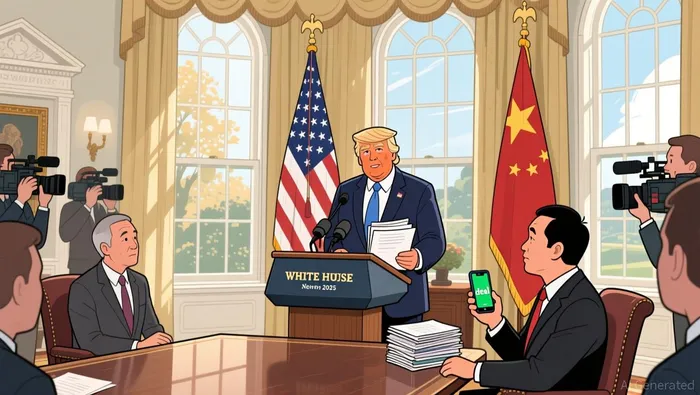
The timing of the delay also aligns with ongoing diplomatic efforts to stabilize trade relations. The U.S. and China have each taken reciprocal steps to reduce friction, including the suspension of mutual shipping probes and the delay of sanctions on Korean shipbuilders. These actions reinforce a broader pattern of cooperation, signaling that both sides are willing to compromise to avoid a deepening trade conflict.
A notable example of the rule’s real-world impact was seen in the case of Nexperia, a Dutch chipmaker with a controlling stake held by the Chinese firm Wingtech Technology, which is under U.S. sanctions. The Dutch government had sought to assert control over Nexperia, prompting a retaliatory move by China to block chip exports from the company’s facilities. However, both parties have since retreated from the standoff, in part due to the U.S.-China trade agreement.
The Bureau of Industry and Security, which oversees U.S. export regulations, had initiated the rule change just before a government shutdown in September. Now, with the rule on hold, U.S. firms and their Chinese counterparts have been granted additional time to navigate the evolving regulatory landscape without the immediate threat of stricter enforcement.
The decision highlights the delicate balance the administration is seeking between national security concerns and economic diplomacy. While the delay does not eliminate the policy from the books, it gives both sides time to negotiate further without inflaming trade tensions.

Stay ahead of the market.
Get curated U.S. market news, insights and key dates delivered to your inbox.






Comments
No comments yet