
Trump Administration's AI Chip Sales to Middle East Spark Internal Disagreements
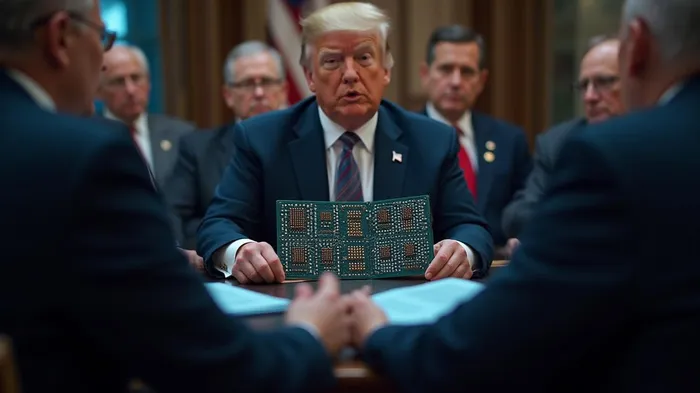
During the Trump administration, there were internal disagreements regarding the sale of AI chips to the Middle East by NvidiaNVDA-- and AMDAMD--. Some officials within the administration advocated for slowing down these sales, while others supported the transactions. Nvidia had previously announced plans to sell tens of thousands of AI chips to Saudi Arabia, with the first batch consisting of 18,000 "Blackwell" chips. This move was part of a broader effort by the Trump administration to strengthen ties with Middle Eastern countries, particularly in the realm of advanced technology.
The Trump administration's stance on technology development, particularly in relation to China, was marked by a hardline approach. The administration warned global enterprises that using AI chips manufactured by Huawei could result in criminal penalties due to violations of U.S. export regulations. This stance was part of a broader strategy to curb China's technological advancements and maintain U.S. dominance in the global tech industry.
The Trump administration's visit to Saudi Arabia in May 2025 was significant, as it marked the first official overseas trip of his second term. The primary motivation for this visit was to secure substantial investments from the oil-rich Gulf countries. The White House announced that the U.S. and Saudi Arabia had reached a historic commercial agreement, which included investments from major tech companies such as GoogleGOOG--, DataVolt, and Oracle. The agreement also involved significant investments in AI data centers and energy infrastructure, as well as a record-breaking military sales deal.
During the visit, Nvidia's founder, Jensen Huang, announced that the company would sell over 18,000 AI chips to the Saudi company Humain. This announcement was part of a broader effort by the Trump administration to promote U.S. technology in the Middle East. The administration's support for these transactions was seen as a way to strengthen ties with key allies in the region and to counter China's growing influence.
However, the Trump administration's approach to AI chip sales to the Middle East was not without controversy. Some officials within the administration were concerned about the potential for these chips to be used for military purposes or to enhance the capabilities of adversaries. These concerns led to internal disagreements about the pace and scope of these transactions.
The Trump administration's approach to AI chip sales to the Middle East was part of a broader strategy to promote U.S. technology and to counter China's growing influence in the region. The administration's support for these transactions was seen as a way to strengthen ties with key allies and to enhance U.S. competitiveness in the global tech industry. However, the internal disagreements within the administration highlighted the complexities and challenges of pursuing this strategy.

Stay ahead of the market.
Get curated U.S. market news, insights and key dates delivered to your inbox.
AInvest
PRO
AInvest
PRO



Comments
No comments yet