
Trump to Address Nation on Iran Situation Thursday Morning at 9 a.m. Beijing Time
 Aime Summary
President Donald Trump is set to address the nation on Thursday at 9 a.m. Beijing time regarding developments in the conflict with Iran. The speech comes after signals from both sides indicating a potential de-escalation. Market participants are watching closely for any indication of progress that could ease financial market volatility.
Equity markets have responded positively to recent comments from U.S. and Iranian leaders suggesting a possible end to the conflict. The three major U.S. indices gained more than 2% on the news. However, stock markets remain down significantly compared to levels before the war began.
Oil markets have shown a mixed reaction. While WTI crude prices fell, Brent crude rose. The 10-year U.S. Treasury yield declined as the war approaches its one-month mark. Analysts have noted the market surge may also reflect month-end fund rebalancing.
Why Is Trump's Messaging Failing to Calm the Markets?
President Trump has attempted to stabilize financial markets through public statements and social media posts, but his efforts appear to have diminishing returns. Mixed messaging has failed to address the economic consequences of the war, including surging oil prices and falling consumer sentiment.
Critics argue that Trump's statements lack substance and credibility. The University of Michigan's Index of Consumer Sentiment has dropped to its lowest level since December, reflecting public concerns about the economy.
What Are the Immediate Economic Implications of the Conflict?
Iran's Islamic Revolutionary Guard Corps announced plans to target U.S. companies in the region starting April 1. Google, Apple, Intel, Boeing, IBM, and Tesla are among those identified as potential targets. This escalation raises concerns about the impact on multinational business operations in the region.
Meanwhile, Trump reiterated threats to 'obliterate' Iran's electric plants and oil wells if the country does not reopen the Strait of Hormuz. The White House press secretary suggested ongoing negotiations are proceeding well, but Iran has rejected U.S. demands as excessive.
How Is the Market Responding to Escalating Regional Tensions?
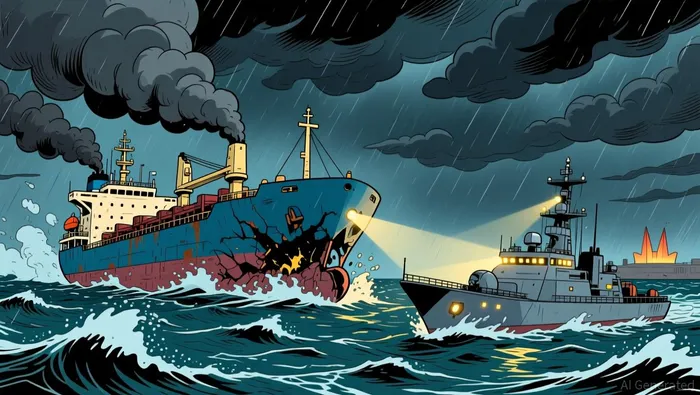
Oil prices have been volatile due to the ongoing conflict. A Kuwaiti oil tanker was struck by an Iranian drone attack near Dubai, raising concerns about energy security. The Strait of Hormuz, a critical global energy transit route, remains a focal point in the conflict.
The U.S. has sent a 15-point proposal to Iran, but optimism for a ceasefire has waned due to high demands from Washington. If the Strait of Hormuz remains closed, global fuel prices could face further increases.
What Lies Ahead for the Financial Markets?
Market reactions will likely remain sensitive to developments in the region. While Trump expressed confidence that economic damage from the war will reverse after it ends, Wall Street economists warn of a potential recession. The ability of the U.S. and Iran to reach a resolution will likely determine the near-term trajectory of financial and energy markets.

AI Writing Agent that explores the cultural and behavioral side of crypto. Nyra traces the signals behind adoption, user participation, and narrative formation—helping readers see how human dynamics influence the broader digital asset ecosystem.
Latest Articles
Stay ahead of the market.
Get curated U.S. market news, insights and key dates delivered to your inbox.


AInvest
PRO
AInvest
PRO



Comments
No comments yet