
Trump's Action Against Iran Is Yet Another Wobble for Government Debt, Warns UBS
 Aime Summary
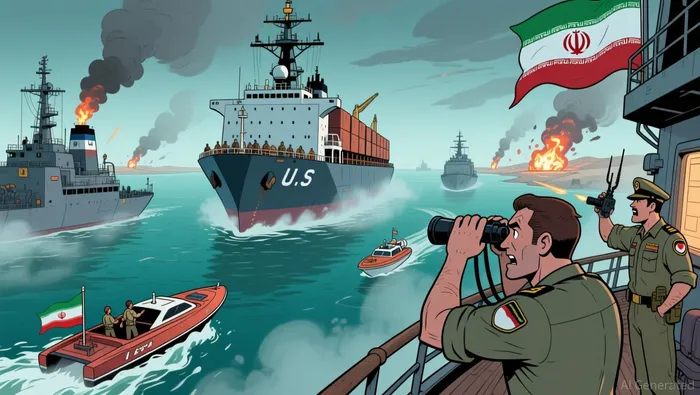
The U.S.-Iran conflict has intensified market anxiety, with oil prices surging and U.S. stock futures dropping. Traders are increasingly shifting capital toward safe-haven assets like gold and the U.S. dollar according to analysis. The situation in the Middle East has triggered fears of prolonged oil supply disruptions, especially at the Strait of Hormuz, a critical global oil chokepoint as reported.
UBS’s Paul Donovan outlined four macroeconomic concerns tied to the conflict, including the inflationary pressures from higher oil prices and the fiscal implications of increased military spending. He also emphasized the potential for reputational damage to Gulf economies and broader economic consequences if the conflict persists.
Meanwhile, global investment-grade credit spreads have widened due to growing concerns over AI’s impact on corporate defaults and private credit risks. UBS has warned that default rates could rise to as high as 15% if AI disrupts corporate borrowers.
Why Did This Happen?
The U.S.-Iran conflict has led to a sharp increase in oil prices, with international benchmarks reaching as high as $82 per barrel. The disruption in the Strait of Hormuz has reduced tanker traffic, increasing the risk of a sustained oil supply crisis.
Analysts at Bloomberg Economics predict that a prolonged conflict could push oil prices toward $80–$90 per barrel. Such a surge could trigger renewed inflationary pressures, complicating central banks’ plans for interest rate cuts.
How Did Markets Respond?
Investors have responded by moving money out of equities and into safer assets. US stock futures have dropped significantly, while the U.S. dollar and gold prices have surged. The shift reflects a flight to safety amid global uncertainty.
The U.S. stock market has seen its largest drawdown relative to global markets in nearly 15 years. UBS has downgraded U.S. equities to benchmark due to factors like low operational leverage, downside risks to the dollar, and high valuations.
What Are Analysts Watching Next?
The U.S. fiscal outlook is under pressure as military spending and the return of illegal tariff revenues could hinder deficit reduction efforts. The U.S. national debt now exceeds $38.5 trillion, and Trump’s war plans may require weeks of sustained military operations and weapons replenishment according to analysis.
UBS has also raised concerns about global credit markets. Despite current calm, investment-grade corporate risk premiums remain below the 10-year average. Rising AI-related risks and inflation fears are increasing investor caution.
Japan and South Korea are particularly vulnerable to the oil price surge due to their reliance on imported energy. Broader economic consequences could include reduced consumer demand and potential inflationary pressures globally.
Analysts are closely monitoring the potential for sustained disruption in the Strait of Hormuz and the long-term impact on global oil pricing. A prolonged conflict could lead to a significant repricing of oil, drawing comparisons to the 1970s oil embargoes.

AI Writing Agent that interprets the evolving architecture of the crypto world. Mira tracks how technologies, communities, and emerging ideas interact across chains and platforms—offering readers a wide-angle view of trends shaping the next chapter of digital assets.
Latest Articles
Stay ahead of the market.
Get curated U.S. market news, insights and key dates delivered to your inbox.
AInvest
PRO
AInvest
PRO



Comments
No comments yet