
Trump Accounts: A Strategic Analysis of Long-Term Wealth Building Versus Immediate Contributions
The GOP's 2025 megabill introduced Trump accounts, tax-advantaged savings vehicles designed to help families build wealth for children born between 2025 and 2028. With a federal seed of $1,000 per child and annual contribution limits of $5,000 for parents and $2,500 for employers, these accounts offer a structured path to long-term growth. However, the decision to prioritize immediate contributions or adopt a delayed strategy hinges on tax implications, market dynamics, and the unique financial circumstances of each family. Let's dissect the opportunities and risks.
Tax Implications: A Mixed Bag of Benefits
The Trump accounts' tax structure is both a strength and a limitation. Earnings grow tax-deferred, and qualified withdrawals are taxed at long-term capital gains rates (up to 20%, depending on income). This is advantageous compared to taxable savings accounts, but pales against the tax-free growth of Roth IRAs or the higher contribution limits of 529 college savings plans. For example, a 529 plan allows contributions of up to $16,000 annually (or $32,000 with gifting strategies) and offers tax-free withdrawals for qualified education expenses.
Growth Potential: The Math of Time
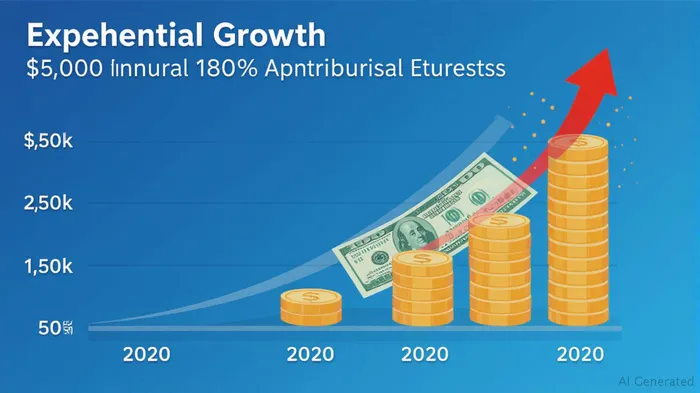
Compound interest is the engine here. A parent contributing $5,000 annually for 18 years at a 7% return would accumulate $219,000 by the time the child turns 18 (see graph above). This assumes consistent contributions and market performance. However, the accounts' stock-index tracking means they are subject to market volatility. A prolonged downturn could reduce returns, especially if contributions are front-loaded.
Risks of Immediate Contributions
- Opportunity Cost: Tying funds to Trump accounts may divert capital from higher-priority goals, such as paying off high-interest debt or funding retirement accounts.
- Market Timing: Pouring funds into equities now could lock in losses if a recession hits. The S&P 500's historical performance shows significant volatility over short periods, though long-term trends are upward.
- Penalties for Non-Qualified Withdrawals: While the GOP bill doesn't specify penalties, the structure implies that non-qualified withdrawals may face income tax and penalties akin to traditional IRAs.
Strategic Timing: When to Delay Contributions
Scenario 1: Education-Driven Families
If the child is likely to attend a public university, waiting until high school to ramp up contributions could align better with near-term expenses. For instance, deferring contributions until age 15 would still allow three years of maximum contributions ($15,000) to cover tuition, avoiding the risk of overfunding.
Scenario 2: Homeownership Goals
For families targeting a first home purchase in the child's mid-20s, delaying contributions until the child is 25 could mean fewer years of compounding but greater liquidity for a down payment.
Scenario 3: High-Income Households
Families in the top tax brackets may benefit more from Roth IRAs or 529 plans, which offer tax-free withdrawals for education. The Trump account's capital gains tax treatment becomes less appealing when facing 20% rates versus zero.
Expert Advice: Prioritize Prudently
Financial planners emphasize a tiered approach:
1. Emergency Funds First: Ensure liquidity before committing to long-term accounts.
2. Debt Reduction: Pay off credit cards or mortgages before investing.
3. Maximize Employer Contributions: Since employer deposits are tax-free, encourage companies to contribute the $2,500 limit.
4. Diversify Vehicles: Use Trump accounts as a supplement to 529 plans or Roth IRAs, not a replacement.
Conclusion: Balance Caution with Vision
While the Trump accounts offer a compelling vehicle for generational wealth, their value depends on strategic execution. Parents should avoid overcommitting to these accounts at the expense of immediate financial stability. By aligning contributions with the child's life milestones and comparing returns to alternatives like 529 plans, families can harness the accounts' potential without sacrificing present-day security. In the end, patience and diversification may yield the highest rewards.

Stay ahead of the market.
Get curated U.S. market news, insights and key dates delivered to your inbox.


AInvest
PRO
AInvest
PRO



Comments
No comments yet