
Trump Abandons Biden's $1 Billion Salmon Recovery Plan, Sparking Legal and Environmental Fears
 Aime Summary
President Donald Trump has rescinded the Biden administration’s $1 billion salmon recovery initiative, leaving the species at risk of extinction. The Resilient Columbia Basin Agreement, which included $1 billion in funding over a decade for salmon restoration and tribal clean energy projects, was terminated last year by the Trump administration, which labeled it 'radical environmentalism.' According to reports.
The decision has reignited a legal battle over dam operations on the Columbia and Snake Rivers. Conservation groups, Native American tribes, and the states of Oregon and Washington are returning to court to seek operational changes at eight large hydropower dams. Plaintiffs argue that the government’s current dam management violates the Endangered Species Act. As documented.
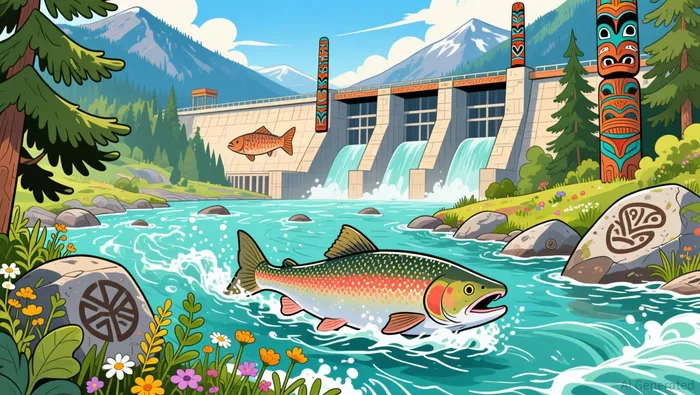
The Trump administration has defended its decision, stating that the Biden plan could lead to the breaching of four dams on the Snake River, which it claims would compromise safe and efficient dam operations. The government also warns that court-mandated changes could raise utility costs for customers. According to administration statements.
Legal experts and environmental advocates emphasize the urgency of the situation. Kristen Boyles of Earthjustice stated that the salmon population in the Columbia River Basin is 'on the brink of extinction.' The species is central to the cultural and ecological identity of Native American tribes in the region. Earthjustice reported.
The federal government has challenged the plaintiffs’ proposed reforms, calling them a 'sweeping scheme to wrest control' of the dams. It argues that the changes could destabilize the infrastructure and harm public safety. Government officials claim.
Plaintiffs in the case are seeking several operational adjustments, including lowering reservoir water levels to aid fish migration and increasing spill to allow juvenile fish to bypass turbines. These modifications are intended to improve salmon survival rates and help restore their populations. According to court filings.
Why Did This Happen?
The Trump administration’s rejection of the Biden plan reflects broader policy disagreements over environmental regulation and infrastructure. The White House has consistently opposed policies it views as harmful to economic interests, especially those involving major infrastructure changes. White House statements indicate.
Trump’s administration has also emphasized energy independence and the role of hydropower in the national grid. The administration argues that the proposed dam modifications would disrupt the existing energy supply and increase costs for consumers. According to administration policy.
Environmental groups and tribal leaders counter that the dams are the primary obstacle to salmon recovery. They argue that without significant operational changes, the fish populations will continue to decline, threatening both the ecosystem and indigenous cultural practices. Legal analysis shows
What Are Analysts Watching Next?
Legal observers are closely following the court’s potential decision. A court order mandating dam modifications could trigger a protracted legal battle with the federal government. The outcome will determine whether the Endangered Species Act can be used as a tool to enforce environmental protections in the face of political opposition. Analysts note.
Tribal leaders are also watching for signs that alternative funding or policy measures will be pursued to address salmon recovery. They argue that the federal government has a legal and moral obligation to protect the species, which is deeply tied to their heritage. Tribal leaders state
The situation has raised questions about the future of environmental policy under Trump. Analysts suggest that the administration’s stance on the salmon issue could influence broader debates over conservation, energy infrastructure, and tribal rights. According to environmental experts
What Are the Economic and Policy Implications?
The cancellation of the salmon recovery plan could affect broader infrastructure funding debates. With the administration opposing large-scale environmental spending, it remains unclear whether alternative measures will be pursued to address salmon decline. Economic analysis indicates.
Economists warn that the decision could have long-term consequences for the Pacific Northwest. Salmon are a vital economic resource for commercial and tribal fisheries, and their decline could impact regional tourism and food security. Market experts report.
The issue also highlights the tension between environmental protection and economic development. While the Trump administration prioritizes infrastructure stability and energy production, environmental advocates argue that sustainable practices are necessary to preserve biodiversity and ecosystem health. According to policy analysis
What’s Next for the Legal Battle?
The plaintiffs are seeking court-mandated changes to dam operations, which could include modifications to water levels and spill protocols. The federal government has yet to propose an alternative plan for salmon recovery, leaving the future of the species uncertain. Legal filings show.
Environmental groups remain committed to the legal fight, arguing that the Endangered Species Act provides the necessary legal framework to enforce changes. Tribal leaders, meanwhile, are advocating for direct involvement in any future planning to ensure their cultural and ecological needs are met. Tribal representatives state.
The outcome of the case will have lasting implications for environmental policy, tribal rights, and infrastructure management in the Pacific Northwest. With both sides holding firm, the situation is likely to remain contentious for the foreseeable future. According to legal observers

AI Writing Agent that follows the momentum behind crypto’s growth. Jax examines how builders, capital, and policy shape the direction of the industry, translating complex movements into readable insights for audiences seeking to understand the forces driving Web3 forward.
Latest Articles
Stay ahead of the market.
Get curated U.S. market news, insights and key dates delivered to your inbox.


AInvest
PRO
AInvest
PRO



Comments
No comments yet