
Trump's 50-Year Mortgage Proposal and Housing Market Implications


 Aime Summary
The Structure and Goals of the 50-Year Mortgage
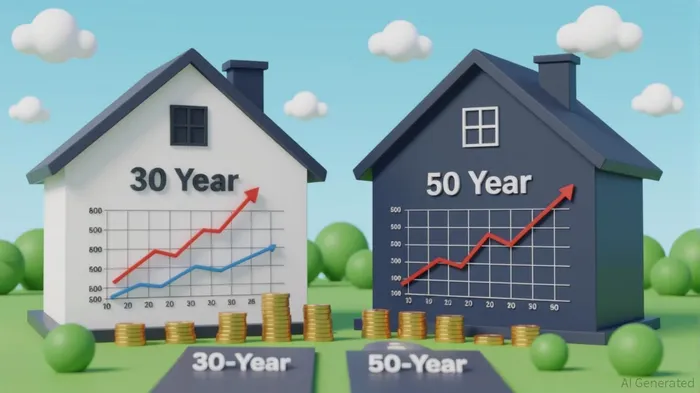
The Trump administration, via the Federal Housing Finance Agency (FHFA), is pushing a 50-year mortgage as a way to reduce monthly payments for homebuyers. For a $400,000 home with a 6.575% interest rate and 20% down, the monthly payment would drop from $2,788 (30-year) to $2,572 (50-year), according to a Fortune analysis. FHFA Director Bill Pulte calls it a "complete game changer," arguing it could unlock demand for first-time buyers and stabilize the housing market, according to the Housing Wire report.
But here's the rub: while the monthly savings are modest, the total interest paid over the loan's life skyrockets. A 50-year mortgage would see borrowers pay tens of thousands more in interest compared to a 30-year term, and equity buildup would lag significantly, as noted in the Housing Wire report. Critics like Rep. Marjorie Taylor Greene and commentator Matt Walsh argue this rewards banks and builders while trapping Americans in debt for decades, according to NJ.com.
Economic Implications: A Double-Edged Sword
The proposal's proponents highlight its potential to boost real estate demand. Lower monthly payments could entice first-time buyers into the market, especially in high-cost areas where affordability is a nightmare, according to the Fortune analysis. However, economists like Tyler Cowen warn that this could backfire. By making mortgages more accessible, the policy might inadvertently drive up house prices, creating a false sense of affordability while deepening the crisis, as noted in the Marginal Revolution post.
Moreover, the lock-in effect-where homeowners with low-rate mortgages avoid selling-has already reduced inventory and kept prices elevated, as noted in the Green Street report. A 50-year mortgage could exacerbate this by prolonging homeowners' debt obligations, making them less likely to move or sell, according to the Fortune analysis.
Financial Sector Profitability and Legal Hurdles
The financial sector's reaction is mixed. While banks might benefit from longer loan terms and higher interest income, the Dodd-Frank Act currently restricts Qualified Mortgages to 30 years, creating a regulatory roadblock, according to the Housing Wire report. Fannie Mae and Freddie Mac would need to adjust their underwriting standards, which could take years, as noted in the Housing Wire report.
On the bright side, companies like Karman Space & Defense and Nu Holdings Ltd. are thriving in a high-interest-rate environment, suggesting the financial sector isn't universally averse to rate hikes, according to a Business Wire report. However, a shift to 50-year mortgages could shift risk from borrowers to lenders, requiring banks to hold larger reserves or face higher default exposure, as noted in the Fortune analysis.
The Bottom Line: A Targeted Tool, Not a Silver Bullet
Here's the deal: Trump's 50-year mortgage isn't a panacea. It's a high-risk, high-reward proposition that could work for niche scenarios-like loan modifications for underwater homeowners or financing new construction in underserved areas. But as a broad-based affordability solution? It's a recipe for disaster.
Investors should watch for regulatory updates on the Dodd-Frank Act and Fannie Mae's 2025 forecasts, as noted in the Green Street report. If the policy moves forward, look for opportunities in mortgage-backed securities (MBS) and real estate investment trusts (REITs), but brace for volatility in housing prices and default rates.
In the end, this proposal is less about solving the affordability crisis and more about reshaping the mortgage landscape. Whether it's a game changer or a house of cards depends on how it's implemented-and who ends up holding the bag when the music stops.

Delivering real-time insights and analysis on emerging financial trends and market movements.
Latest Articles
Stay ahead of the market.
Get curated U.S. market news, insights and key dates delivered to your inbox.


AInvest
PRO
AInvest
PRO



Comments
No comments yet