
Trump's 12 Criticisms of Fed Spark Independence Debate
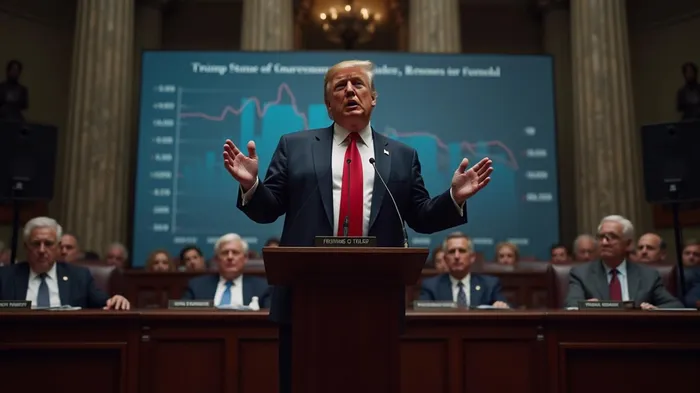
In the span of a year, U.S. President Donald Trump has publicly criticized the Federal Reserve (Fed) on 12 separate occasions, consistently demanding an immediate rate cut. This persistent pressure from the President has sparked significant debate and scrutiny over the independence of the central bank and its role in shaping monetary policy.
Trump's repeated calls for lower interest rates began in January, when he criticized the Fed for the first time since taking office, demanding an "immediate rate cut" and implying "I understand interest rates better than Powell." This criticism continued throughout the year, with Trump taking to social media to express his dissatisfaction with Fed Chairman Jerome Powell's handling of monetary policy. In March, Trump called out Powell, stating that as U.S. tariffs begin to impact the economy, a rate cut by the Fed would be much better. He reiterated this sentiment in early April, urging Powell to cut rates and stop playing politics.
Trump's criticism of Powell escalated in April, with the President taking to social media to express his frustration with the Fed's slow action. On April 17th, Trump criticized Powell's "actions are too slow," and on April 18th, he emphasized his dissatisfaction with Powell, believing that Powell is "playing politics." Trump's attitude took a 180-degree turn on April 22nd, stating that there are no plans to fire Powell, and the media always messes things up. He also said that now is the perfect time for the Fed to cut rates, hoping Powell can cut rates early or on time, rather than too late.
Despite Trump's vocal demands, the Fed has thus far resisted the pressure to lower interest rates, asserting its independence and commitment to data-driven decision-making. This stance has been metMET-- with both praise and criticism, with some economists arguing that the Fed's independence is crucial for maintaining economic stability, while others contend that Trump's calls for lower rates are justified given the current economic climate.
The ongoing dispute between Trump and Powell has raised important questions about the role of the Fed in the U.S. economy and the extent to which it should be influenced by political pressures. While the Fed's mandate is to promote maximum employment, stable prices, and moderate long-term interest rates, its actions are often scrutinized and debated in the context of broader economic and political considerations. As the debate continues, it remains to be seen how the Fed will navigate the delicate balance between its mandate and the political pressures it faces.

Stay ahead of the market.
Get curated U.S. market news, insights and key dates delivered to your inbox.






Comments
No comments yet