
True Value Struggles: Why Independent Hardware Stores Are Closing Now
 Aime Summary
Why Is True Value Closing So Many Stores?
The True Value franchise has faced mounting pressure in recent years. As a cooperative owned by Do It Best, the brand has struggled to adapt to changing consumer behaviors and competitive forces. While True Value and Ace Hardware remain independent retailer-owned cooperatives, they face increasing difficulty in competing with national home improvement giants. , , , according to the Numerator Home Improvement Tracker.
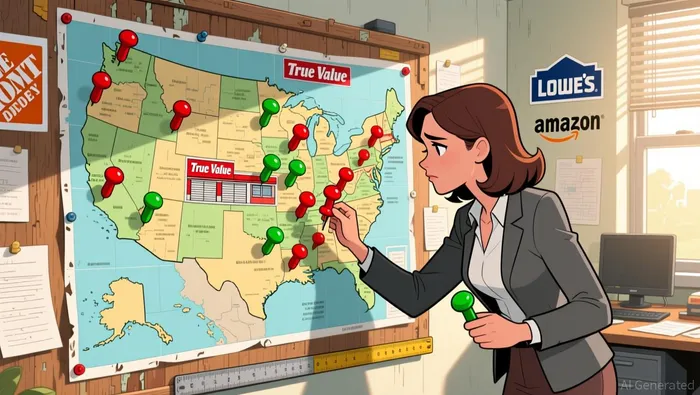
Moreover, the broader economic environment has created additional hurdles. Rising inflation, higher rents, and supply chain challenges have made it increasingly difficult for small hardware retailers to remain profitable. Outlaw acknowledged that these systemic factors, combined with the shift in customer loyalty, were major contributors to the closure.
What Does This Mean for Investors in the Home Improvement Sector?
For investors, the decline of independent hardware retailers like Harpeth True Value signals a larger trend: consolidation and market share shifts in the home improvement sector. Large chains are winning on price, convenience, and scale. In 2024, True Value itself filed for , and Do It Best eventually acquired its assets for $153 million.
This pattern is not isolated. Other True Value locations have also closed in recent years, with more expected to follow. The closures represent less than three percent of the company's total store count but reflect a broader strategic shift. Retailers are rethinking their physical footprint and focusing on stores that are more profitable or strategically advantageous.
At the same time, the growing dominance of Amazon in hardware sales raises new questions about how traditional can compete. The e-commerce giant's convenience, fast delivery, and competitive pricing are increasingly drawing customers away from local stores. This shift has implications not just for small retailers but for the broader home improvement ecosystem.
What Should Investors Watch for Next?
Investors should keep an eye on the ongoing closure of True Value and other hardware stores, as well as how national chains like Home DepotHD-- and Lowe'sLOW-- respond to the shifting market. These retailers may accelerate their expansion or enhance their online capabilities to capture the growing e-commerce segment.
Also, as more independent stores close, the market may see further adjustments in pricing and inventory strategies from major players. The home improvement sector is not immune to broader retail trends, and the pressure on smaller retailers could lead to more strategic moves from the big three—Home Depot, Lowe's, and Amazon.
For now, the story of Harpeth True Value serves as a cautionary tale of what happens when traditional business models fail to adapt. For investors, the message is clear: the retail landscape is changing rapidly, and flexibility will be key to long-term success.

Stay ahead of the market.
Get curated U.S. market news, insights and key dates delivered to your inbox.
AInvest
PRO
AInvest
PRO



Comments
No comments yet