
Trudeau: Trump Tariffs Alter Global Trade, Canada Faces 10% Minimum Tariff
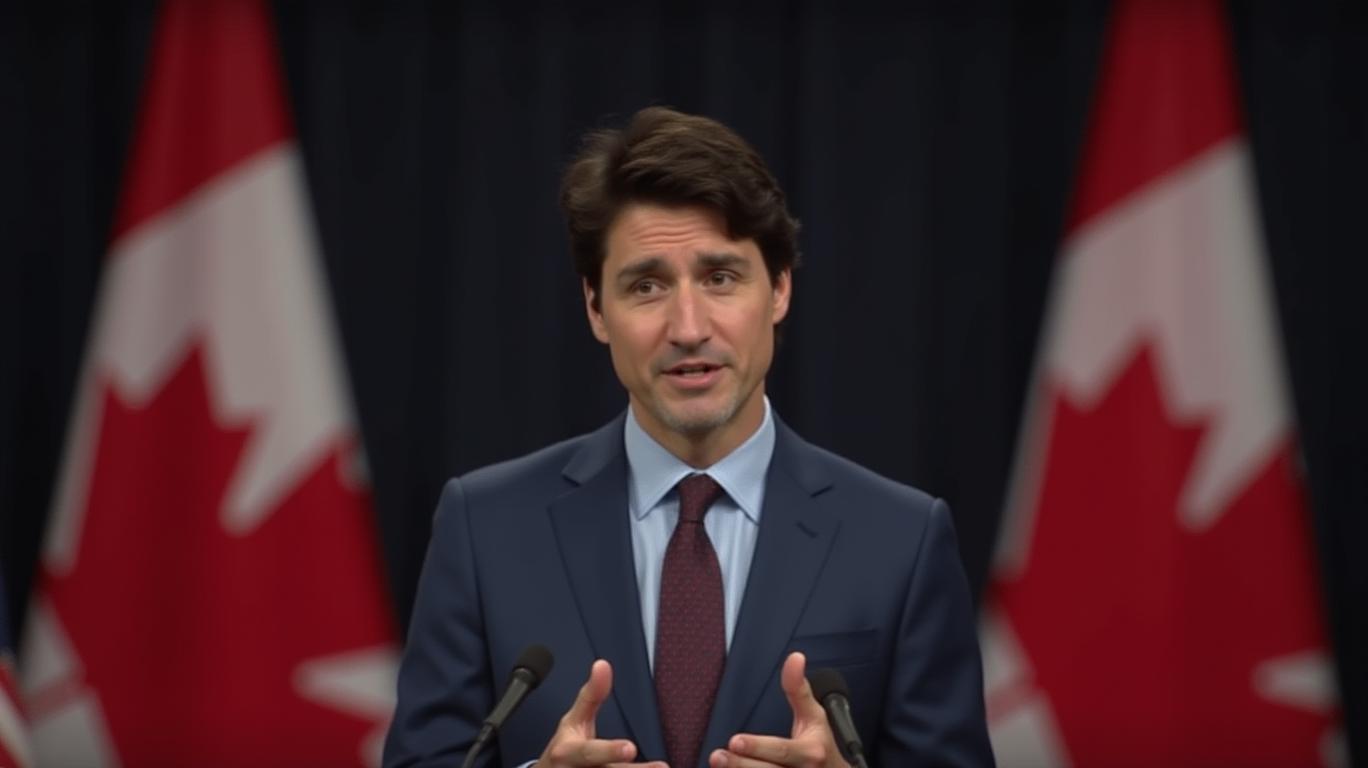
Canadian Prime Minister Justin Trudeau, on April 2, expressed that U.S. President Donald Trump's tariff policies have fundamentally altered international relations. Despite the U.S. not including Canada in its list of countries subject to "reciprocal tariffs," it imposed tariffs on Canadian steel, aluminum, and automobiles. Trudeau emphasized that his government would work to mitigate the difficulties these tariffs pose to Canadian citizens.
Trump's actions, which included signing two executive orders at the White House, established a 10% "minimum baseline tariff" on trading partners and imposed higher tariffs on certain countries. This move sent shockwaves through global markets, prompting reactions from various world leaders. Trudeau's comments were part of a broader international response to Trump's tariff policies, which have sparked concerns about potential trade wars and economic instability.
The Canadian Prime Minister's remarks underscored the significant impact of Trump's tariff policies on global trade dynamics. Despite Canada not being explicitly targeted by the "reciprocal tariffs," the imposition of tariffs on key Canadian exports has raised concerns about the broader implications for the North American economy. Trudeau's government has pledged to take measures to support Canadian industries and consumers affected by these tariffs, highlighting the need for a coordinated response to protect national interests.
The announcement of the tariffs has led to a flurry of diplomatic activity, with leaders from various countries expressing their opposition to the measures. The U.S. administration has justified the tariffs as a means to enhance American competitiveness and economic security. However, the move has been met with criticism from trading partners, who argue that it undermines the principles of free trade and fair competition.
Trudeau's statement reflects a growing sentiment among international leaders that Trump's tariff policies represent a significant shift in global trade relations. The imposition of tariffs on key trading partners has raised concerns about the potential for retaliatory measures and the broader impact on global economic stability. As the situation continues to unfold, it remains to be seen how the international community will respond to these developments and what measures will be taken to mitigate the potential fallout.

Stay ahead of the market.
Get curated U.S. market news, insights and key dates delivered to your inbox.






Comments
No comments yet