
TRU Highlights Governance Layer Risks in DeFi Sector
 Aime Summary
A recent $285 million attack on Drift Protocol illustrates a shift in DeFi exploits toward governance and operational control layers, using pre-signed transactions and multi-signature manipulations to gain access.
Tron Inc. continues to bolster its TRXTRX-- treasury through strategic purchases, reflecting a long-term capital allocation strategy aimed at strengthening the TronTRX-- ecosystem and ensuring regulatory compliance.
Recent market dynamics show significant movements in key tokens, with Blur (BLUR) leading as a 25.46% gainer and GravityG-- (G) and Stable (STABLE) reflecting institutional involvement and algorithmic concerns, underscoring a selective trend in crypto.
A growing number of DeFi attacks are exploiting governance mechanisms rather than just smart-contract vulnerabilities. The Drift Protocol incident is a prime example of how attackers are adapting to exploit control structures, including multi-signature wallets and pre-signed transactions. This trend highlights the need for stronger governance protocols and real-time monitoring systems to prevent unauthorized access.
The Drift Protocol's response to the attack—quickly halting deposits and withdrawals—showcased how swift action can mitigate damage and preserve user trust. Such measures are becoming critical in maintaining platform integrity in an increasingly sophisticated threat landscape.
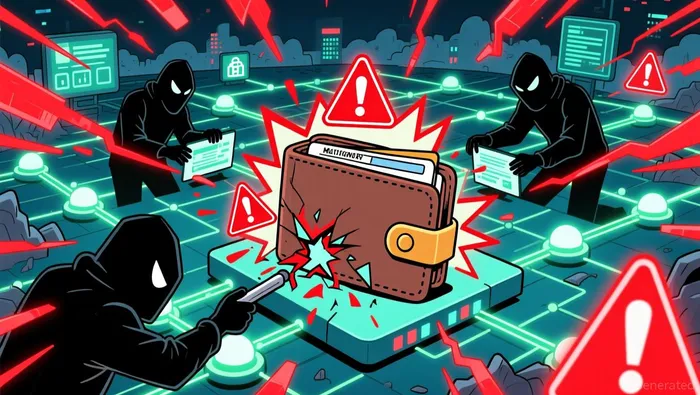
What Drives DeFi Security Vulnerabilities?
Security in DeFi platforms is often tied to governance and control layer vulnerabilities. Unlike traditional finance, where access is restricted and auditable, DeFi systems rely on decentralized mechanisms that can be manipulated by malicious actors. In the case of Drift Protocol, attackers leveraged pre-signed transactions and multi-signature setups to gain admin privileges, bypassing standard security checks. This underscores the importance of robust multi-layered security protocols and real-time anomaly detection systems.
Multi-signature wallets, while designed to enhance security, can become points of failure if key management and signing workflows are not tightly controlled. This incident demonstrates the need for regular security audits and proactive measures to identify and patch governance layer vulnerabilities before they can be exploited.
What Is the Investor Relevance of TRX Accumulation?
Tron Inc.'s continued acquisition of TRX tokens is part of a broader strategy to strengthen the Tron ecosystem and enhance token utility. By increasing its treasury holdings, the company is signaling confidence in TRX's long-term value and its role within the Tron ecosystem. This approach aligns with growing institutional interest in utility-driven tokens, shifting capital away from speculative assets toward platforms with clear use cases and governance structures.
Such accumulation is not speculative but rooted in a long-term capital allocation strategy focused on ecosystem growth and regulatory compliance. As a Nasdaq-listed entity, Tron's approach to TRX management also reflects a commitment to transparency and risk management, which are critical in attracting institutional investors.
How Do Recent Market Movements Reflect Crypto Trends?
Recent 24-hour market data shows significant volatility in top tokens, with Blur (BLUR) experiencing a 25.46% increase and Gravity (G) and Stable (STABLE) showing signs of institutional activity and potential algorithmic instability. These movements highlight how volume and broader market context drive price changes rather than headline-driven fluctuations.
The selective nature of these trends indicates that investors are rotating capital into various crypto sectors, including NFTs and DeFi. This diversification reflects a maturing market where investors are increasingly looking for platforms with robust ecosystems and clear utility, rather than just short-term price gains.
Capital allocation strategies and security vulnerabilities remain central to the evolving crypto landscape. As DeFi platforms continue to innovate, they must also address governance risks to ensure long-term sustainability. Investor confidence will depend on the ability of projects to balance innovation with robust risk management and transparent governance practices.

Blending traditional trading wisdom with cutting-edge cryptocurrency insights.
Latest Articles
Stay ahead of the market.
Get curated U.S. market news, insights and key dates delivered to your inbox.


AInvest
PRO
AInvest
PRO



Comments
No comments yet