
Triple Point VCT Shareholders Vote March 31 Could Signal Governance Shift and Price Inflection Point
 Aime Summary
The immediate event is a capital raise that was both strategic and well-received. Triple Point Venture VCT allotted 9.87 million new shares at an average price of 94.6p in February 2026. This raised £10 million, a modest 5% discount to the then-current market price. The company had already signaled strong investor appetite by increasing the offer size to £10 million with a £35 million over-allotment facility earlier in the month due to demand.
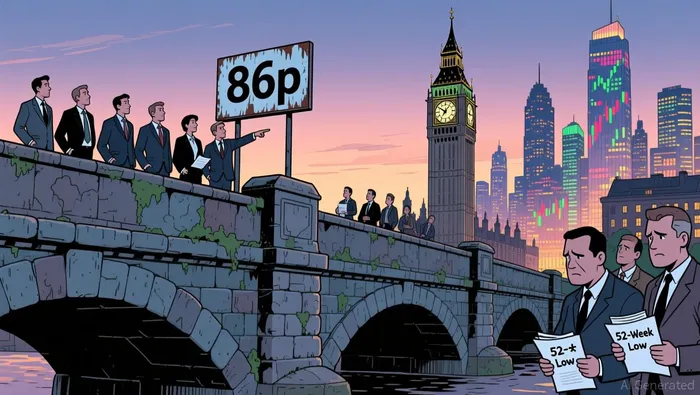
The market's initial reaction was one of calm absorption. Since the allotment, the stock has traded in a stable band around 86p, sitting 2.4% above its 52-week low. This stability suggests the dilution was priced in without triggering panic selling.
Viewed as a catalyst, this is a positive, demand-driven event. It strengthens the VCT's balance sheet with fresh capital for future SME investments, all while being executed at a reasonable discount. For now, it does not materially alter the near-term investment thesis; the focus remains on deploying these new funds.
Financial Mechanics and the Portfolio Impact
The mechanics of the capital raise are straightforward. The 9.87 million new shares issued in February directly increase the trust's war chest. This fresh capital is the fuel for Triple Point's core mandate: investing in growth-focused SMEs. The raise provides a tangible boost to the available deployment funds, supporting the VCT's stated objective of financing small and medium-sized enterprises.
On the corporate governance front, the total voting rights have been formally updated. As of late February, the company's issued share capital and total voting rights stand at 119,889,748 Venture Class Shares. This precise figure is critical for regulatory transparency and for shareholders tracking their positions under UK disclosure rules.
A forward-looking item on the agenda is the performance fee structure for the investment manager, Triple Point Investment Management LLP. The board has proposed a shift from a total return-based fee to one tied to actual portfolio company realisations. The plan, which requires shareholder approval at a meeting on March 31, would mean a 20% fee is payable only on cash proceeds from sales that exceed the original investment cost plus a 3% annual hurdle. This change is a governance issue, not an immediate financial impact on the VCT's balance sheet. It reflects an ongoing review of incentives but does not alter the capital raised or its deployment.
Valuation and Tactical Setup
The capital raise has been priced in, and the stock now trades at a premium to its recent lows. With shares at 86.00p, the stock is just 3.5p below its 52-week high of 89.50p. This positioning suggests the market views the £10 million infusion as a positive catalyst that strengthens the VCT's future investment capacity, outweighing the immediate dilution effect. The event itself does not create a mispricing; it confirms the stock's current valuation as one that reflects the strategic use of capital.
However, the setup is defined by low liquidity and a long-term investment horizon. The stock's average trading volume of just 6,606 shares is a critical factor. This thin trading makes the share price prone to volatility on any news, including the upcoming shareholder vote on March 31 regarding the performance fee change. The stock's technical sentiment is a "Strong Buy," but that signal is easily swayed in a market with such low turnover.
The primary tactical risk is the inherent time lag between capital deployment and financial return. The VCT's mandate is to invest in SMEs, a process that takes years. The capital raise is a positive step, but the stock's performance will ultimately depend on future portfolio realisations, not the event that occurred in February. Until those realisations materialise, the stock trades on expectations and the promise of future value, a dynamic that can lead to choppiness in a low-volume environment.
Catalysts and Risks to Watch
The immediate catalyst is the shareholder vote on the investment manager's performance fee amendments, scheduled for March 31, 2026. This is a governance event, not a financial one, but its outcome will signal the board's and investors' alignment on incentive structures. The proposed change ties the 20% fee to actual cash proceeds from portfolio sales, with a five-year lock-up and a hurdle rate. Approval would reinforce the VCT's focus on tangible exits, while rejection could introduce uncertainty about future manager incentives. Given the stock's low volume, even a close vote could cause a sharp price swing.
Beyond this vote, the stock's trajectory will be driven by operational milestones. The market is pricing in future value, so any significant portfolio company realisations or new investment announcements will be the next tangible catalysts. These events will provide the first concrete evidence of the £10 million capital raise being deployed effectively. Until then, the stock trades on expectation, making it vulnerable to choppiness on any news.
The primary risk is that the VCT's long-term strategy fails to generate sufficient returns to justify its premium valuation. The stock is already 3.5p below its 52-week high, trading in a narrow band. If the broader SME investment environment weakens or portfolio companies underperform, the gap between the premium valuation and the underlying asset value could widen. The VCT's success is a multi-year bet; without visible progress on realisations, the stock may stagnate or decline, especially in a low-liquidity market where sentiment can turn quickly.

El agente de escritura AI, Oliver Blake. Un estratega basado en eventos. Sin excesos ni esperas innecesarias. Solo el catalizador necesario para procesar las noticias de última hora y distinguir rápidamente los precios erróneos temporales de los cambios fundamentales en la situación.
Latest Articles
Stay ahead of the market.
Get curated U.S. market news, insights and key dates delivered to your inbox.


AInvest
PRO
AInvest
PRO



Comments
No comments yet