
The End of Triple-A: How the US Credit Downgrade Ripples Through Global Markets—and What Investors Must Do Now
The U.S. government’s loss of its AAAAAA-- credit rating on May 16, 2025, is more than a symbolic blow—it’s a seismic shift in global financial risk dynamics. Moody’s downgrade to Aa1, the last major agency to strip the U.S. of its top rating, signals a profound erosion of fiscal sustainability that will ripple through Treasury markets, currencies, and emerging economies. For investors, this is a watershed moment: the era of complacency toward U.S. debt is over. Here’s how to navigate the fallout.
The Downgrade’s Immediate Impact: Treasury Yields and Global Liquidity
The U.S. Treasury market, the bedrock of global fixed-income liquidity, faces a reckoning. The downgrade elevates perceptions of credit risk, even if the “stable” outlook tempers panic. Investors will demand higher yields to compensate for the U.S.’s deteriorating fiscal profile, pushing Treasury prices lower.
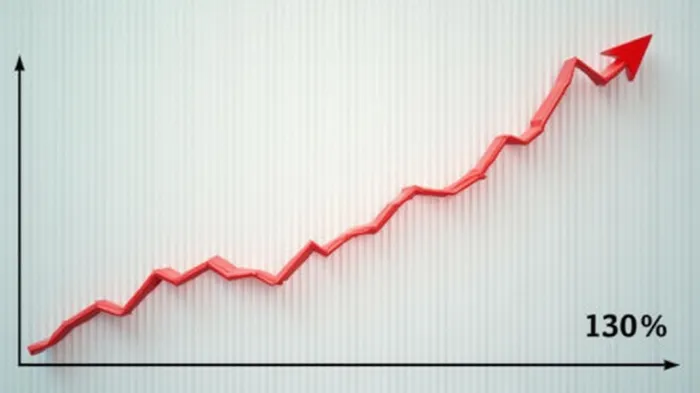
This chart reveals the yield’s volatility: a 20-basis-point spike in the weeks after the downgrade underscores markets pricing in higher risk. For bondholders, this means capital losses and reduced income from older, lower-yielding bonds.
The spillover effects are global. The U.S. dollar, long the world’s reserve currency, may lose its luster as a “risk-free” asset. Emerging markets, which rely on dollar-denominated debt, face a dual threat: higher borrowing costs and potential capital flight as investors flee perceived instability.
Currency Volatility: The Dollar’s Double-Edged Sword
While the downgrade could weaken the dollar long-term, near-term reactions are unpredictable. In crises, the dollar often becomes a safe haven, even amid fiscal weakness. Yet, the loss of AAA status undermines its credibility as a store of value.
This data shows the dollar’s recent resilience, but the trend is shifting. A weaker dollar would relieve EM debtors but inflame global inflation, creating a vicious cycle of higher interest rates and slower growth.
Emerging Markets: The New Frontline of Sovereign Risk
EM governments, already grappling with inflation and dollar-denominated debt, now face a harsher borrowing environment. The U.S. downgrade amplifies fears of contagion: investors will scrutinize fiscal health globally, punishing nations with high deficits or dollar exposure.
This widening spread suggests investors are demanding higher premiums for EM debt. Countries like Argentina or Turkey, already in debt distress, could see borrowing costs surge, triggering defaults or forced austerity.
Action Plan: Hedging Strategies for the New Reality
Investors must pivot to mitigate three risks: rising Treasury yields, currency volatility, and EM contagion. Here’s how:
Shorten Duration in Treasuries:
Avoid long-dated bonds, which are most sensitive to yield rises. Shift into short-term Treasury ETFs like SHY or ultra-short muni bonds to preserve capital while earning modest yields.Hedge Currency Exposure:
Short the dollar via inverse ETFs like UDN or invest in EM currency ETFs (e.g., CEW) to profit from dollar depreciation. Pair this with inflation-protected assets like TIPS (TIP) to guard against rising prices.Rotate Out of EM Debt:
Sell unhedged EM bond funds (e.g., EMB) and instead allocate to developed-market investment-grade debt (e.g., LQD). For those willing to take risk, focus on EM countries with strong fundamentals (e.g., Poland, Colombia) and avoid those reliant on commodity exports.Diversify into Hard Assets:
Gold (GLD) and commodities (DBC) act as hedges against both inflation and currency instability. Consider sector ETFs like XLE (energy) or XLB (materials), which benefit from dollar weakness.
Conclusion: The Clock Is Ticking
The Moody’s downgrade is a clarion call: fiscal recklessness has consequences. Investors who cling to outdated assumptions—like the dollar’s invincibility or EM’s immunity to U.S. fiscal trends—risk severe losses. The path forward demands discipline: shorten maturities, diversify into resilient assets, and prepare for a world where sovereign risk no longer respects borders.
The window to act is narrowing. The markets won’t wait.

Stay ahead of the market.
Get curated U.S. market news, insights and key dates delivered to your inbox.


AInvest
PRO
AInvest
PRO



Comments
No comments yet