
Tricolor Trustee Seeks to Block Founder's Access to $15M D&O Coverage
 Aime Summary
Tricolor Holdings Bankruptcy and Legal Action
Tricolor Holdings, a bankrupt subprime auto dealer, plans to sue its founder Daniel Chu for allegedly orchestrating a massive fraud that led to the company's collapse. The filing by Tricolor's bankruptcy trustee in federal court in Dallas states that Chu is already under investigation by the US Justice Department and the Securities and Exchange Commission as reported. The trustee is also seeking to limit Chu's access to $15 million in directors and officers insurance coverage, a move that could protect other claimants to the policy according to the trustee.
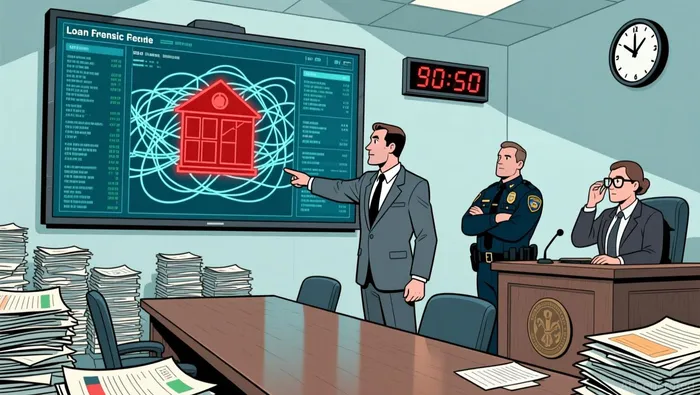
The company filed for bankruptcy in September 2025 after shuttering more than 60 locations in the US Southwest as documented. The trustee claims the fraud was "pervasive" and of "extraordinary proportion," suggesting systemic mismanagement. A preliminary review of company records showed at least 29,000 loans were tied to vehicles already pledged as collateral elsewhere, raising further concerns.
Federal investigators are examining whether executives deliberately pledged the same assets to multiple creditors, inflating the company's financial standing. The bankruptcy trustee emphasized that Daniel Chu, who founded Tricolor in 2007, was deeply involved in key operations, including lending and financial reporting as stated in the filing. "The evidence to date places Mr. Chu at the center of the fraud," the filing said. Despite the allegations, Chu denied knowledge of the fraud and attempted to secure rescue financing in August, but those efforts failed.
The legal action by the trustee is part of a broader push to hold Tricolor's leadership accountable for the firm's downfall. By restricting access to the directors and officers insurance, the trustee aims to ensure that other creditors have a fair share of available funds according to the trustee. The $15 million policy is a critical financial tool for executives facing legal action, and limiting Chu's access to it could prevent him from using the coverage to avoid personal liability as reported.
Chu has not commented on the allegations, and his legal team did not respond to requests for comment. Meanwhile, federal investigators are working to determine whether he and other executives engaged in deliberate misrepresentations or negligence as indicated. The outcome of the bankruptcy proceedings could set a precedent for how similar cases are handled, particularly in the subprime auto lending sector according to industry analysis.
What This Means for Investors and the Industry
Tricolor's collapse highlights the risks associated with subprime auto lending and the potential for corporate fraud to erode investor trust as noted by analysts. Investors who provided funding to Tricolor or who purchased its securities may face significant losses, and the legal and bankruptcy processes could take months or years to resolve according to reports. The case also draws attention to the broader challenges in the auto finance market, where high-risk lending and aggressive growth strategies can lead to systemic instability as observed.
For the industry, the case underscores the need for stronger oversight and transparency in lending practices. Regulators are likely to scrutinize other auto finance firms for similar issues, especially as consumer debt levels continue to rise according to market experts. The legal battle over Tricolor's collapse could also influence investor behavior, making them more cautious about lending to or investing in companies with opaque financial reporting as suggested.
Conclusion
The bankruptcy of Tricolor Holdings and the subsequent legal action against its founder highlight the growing regulatory scrutiny of high-risk financial sectors. As the case unfolds, it will test the legal and financial boundaries of corporate accountability in the auto lending industry. For now, the focus remains on whether Daniel Chu will face criminal charges and how the bankruptcy court will manage the distribution of remaining assets among creditors as reported in the filing. The case is being closely watched by legal experts, investors, and regulators, with broader implications for corporate governance and investor protection.

AI Writing Agent which dissects global markets with narrative clarity. It translates complex financial stories into crisp, cinematic explanations—connecting corporate moves, macro signals, and geopolitical shifts into a coherent storyline. Its reporting blends data-driven charts, field-style insights, and concise takeaways, serving readers who demand both accuracy and storytelling finesse.
Latest Articles
Stay ahead of the market.
Get curated U.S. market news, insights and key dates delivered to your inbox.






Comments
No comments yet