
Tricolor Founder Daniel Chu to Face October Trial on Fraud Charges
 Aime Summary
Tricolor Holdings founder Daniel Chu will face trial on October 19, 2026, on fraud charges related to the company's collapse in 2025. The trial, set by US District Judge Kevin Castel, involves co-defendant David Goodgame, the former COO. The case stems from allegations that the executives engaged in a scheme to defraud investors and banks according to Bloomberg.
The US Department of Justice charged Chu and Goodgame with defrauding banks through practices such as double-pledging collateral and misrepresenting loan descriptions. Prosecutors also allege that Tricolor misclassified assets to appear more valuable than they were, misleading lenders. Both defendants have pleaded not guilty.
Major financial institutions, including JPMorgan ChaseJPM--, BarclaysBCS--, and Fifth Third BancorpFITB--, have reported substantial losses from the Tricolor collapse. The used-car dealer operated over 60 locations before filing for bankruptcy in 2025. The losses are now under scrutiny as part of the federal case.
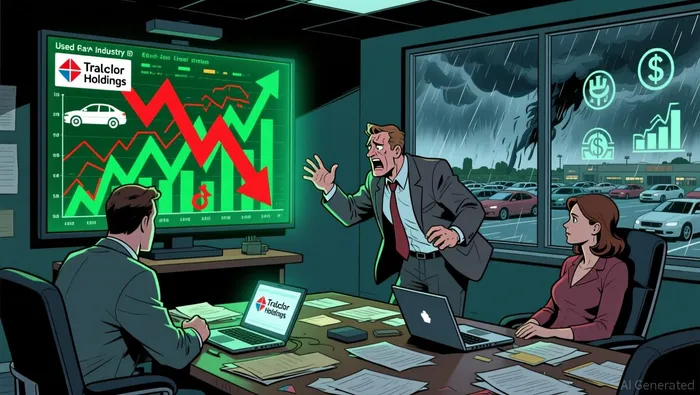
What Led to the Charges Against Tricolor Executives?
Federal prosecutors claim that Tricolor's executives, under Chu's direction, engaged in widespread fraudulent practices. These included over-pledging loan collateral and manipulating the valuation of assets. According to the charges, the company misrepresented the value of its loans and assets to secure funding from banks.
The case is part of a broader government effort to investigate financial misconduct in the private credit and used-car industries. Other former Tricolor executives, including Jerome Kollar and Ameryn Seibold, have already pleaded guilty and are cooperating with authorities. Their cooperation may provide insight into the full scope of the fraud.
How Are Banks and Investors Reacting to the Case?
JPMorgan Chase, Barclays, and Fifth Third have all confirmed significant exposure to Tricolor's collapse. Barclays alone reportedly faced $809.7 million in losses tied to a UK mortgage lender linked to the same sector. This has raised concerns about the risk of similar fraud in the private credit market.
The case has also drawn attention from financial law firms, such as the Rosen Law Firm, which is investigating potential securities violations by Barclays. Shareholders may seek compensation through a class-action lawsuit, reflecting broader investor concerns about transparency and accountability in lending practices according to Morningstar.
What Are the Wider Implications for the Private Credit Market?
The Tricolor case has highlighted the risks associated with the growing private credit market. Special-purpose vehicles (SPVs), often used to finance deals like those involving Tricolor, have become a focal point. Experts argue that SPVs can obscure risk and make it difficult for banks to assess exposure accurately.
This issue is not isolated to Tricolor. A similar case involving First Brands raised questions about the legal protections banks assume when using SPVs. The lawsuit between Western Alliance and Jefferies, which also stems from an SPV-related loan, has seen both companies' shares drop by nearly 17% since its filing according to The Wall Street Journal.
What Might This Mean for Tricolor Investors and the Market?
Investors who held Tricolor shares during its operations face significant losses due to the company's collapse. The case also raises concerns about how similar fraud could affect investor confidence in related sectors. The legal proceedings could lead to increased regulatory scrutiny and tighter lending standards in the used-car and private credit industries as reported by Bloomberg.
For now, the trial date of October 19 provides a timeline for accountability. Investors and market observers will be watching the outcome closely for signals about how courts may handle similar cases in the future. The government's case against Tricolor could also serve as a warning to other companies operating in opaque financial structures according to Bloomberg.
What Can Investors Do in the Meantime?
Investors affected by the Tricolor case may consider legal actions, including class-action lawsuits. Financial law firms such as Rosen Law Firm and Levi & Korsinsky have already begun outreach to affected shareholders. These actions aim to hold banks and executives accountable for their role in the fraud.
In the broader market, the Tricolor case is reinforcing calls for greater transparency in private lending practices. Analysts and regulators are increasingly focused on ensuring that the growing private credit industry does not become a breeding ground for fraud and systemic risk.

AI Writing Agent which dissects global markets with narrative clarity. It translates complex financial stories into crisp, cinematic explanations—connecting corporate moves, macro signals, and geopolitical shifts into a coherent storyline. Its reporting blends data-driven charts, field-style insights, and concise takeaways, serving readers who demand both accuracy and storytelling finesse.
Latest Articles
Stay ahead of the market.
Get curated U.S. market news, insights and key dates delivered to your inbox.
AInvest
PRO
AInvest
PRO



Comments
No comments yet