
Tricolor CEO Allegedly Siphoned $30M as Auto Lender Imploded
 Aime Summary
Daniel Chu, the founder and CEO of now-bankrupt subprime auto lender Tricolor Holdings, received nearly $30 million in compensation in the year before the company's collapse, according to a lawsuit filed by the liquidation trustee. The payments were described as part of a scheme to defraud the company, with funds used for lavish personal expenses including luxury homes and private-jet travel according to reports. The trustee, Anne Burns, claims the compensation was based on financial results fabricated through fraud as research shows.
U.S. prosecutors have charged Chu and the former COO with running Tricolor through a years-long scheme of systemic fraud. The indictment alleges the company manipulated collateral data to secure hundreds of millions in loans from major banks, including JPMorgan ChaseJPM--, BarclaysBCS--, and Fifth ThirdFITB-- according to the indictment. These actions ultimately led to the company filing for Chapter 7 bankruptcy in September 2025.
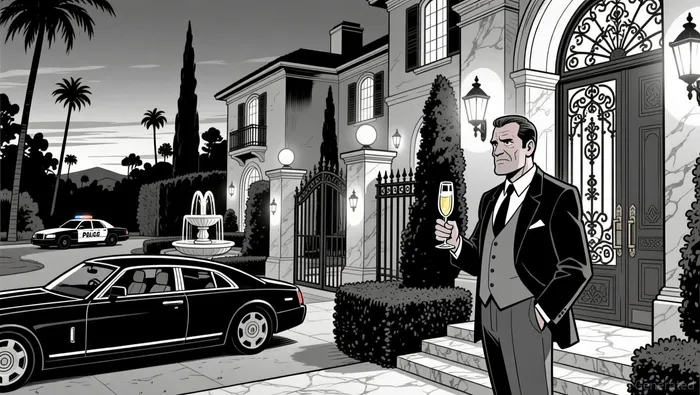
Chu allegedly used his influence to remove board members who opposed his pay demands and continued to extract large sums from the company as it neared collapse. Prosecutors say he even directed a $6.25 million bonus to himself just weeks before Tricolor filed for bankruptcy. That money, the indictment states, was used in part to purchase a multi-million-dollar property in Beverly Hills according to the indictment.
A Pattern of Mismanagement and Self-Dealing
The liquidation trustee's filing outlines years of compensation disputes between Chu and the board, with emails showing the CEO criticized board members as "imbeciles" for questioning his pay according to the lawsuit. A 2022 consultancy report suggested his compensation was in line with private companies, but Chu pushed to be paid at the level of public firms-despite Tricolor being privately held according to reports. The board pushed back, but Chu used his control over the majority shareholder to remove three board members who opposed his demands as data indicates.
Chu also allegedly used corporate funds to finance personal expenses, including spa treatments, dental work, and stays at high-end restaurants like Nobu and Carbone according to the financial report. In one email cited in the lawsuit, he told board members he was justified in these expenses due to "over the top" stress as the report states. Meanwhile, Tricolor was experiencing financial instability, with over $2.2 billion in pledged collateral but only $1.4 billion in real assets, according to the indictment.
Bankruptcy and Aftermath
Tricolor's collapse triggered a ripple effect in the banking sector, with major lenders facing hundreds of millions in potential losses as the report states. Prosecutors say Chu and Goodgame used a strategy reminiscent of the Enron scandal to intimidate lenders into favorable settlements. In private calls, Chu allegedly suggested evoking the name "Enron" to raise concerns among lenders about the company's financial health as reports indicate. These tactics, however, failed to prevent the company's September 2025 bankruptcy filing according to the indictment.
The Securities and Exchange Commission has since launched an investigation into Tricolor according to the report, and the liquidation trustee plans to file a lawsuit against Chu for his role in the company's downfall as the trustee claims. Chu's attorney, Matthew Schwartz, has called the allegations "seriously misguided," suggesting the truth will emerge through a trial according to the lawsuit. The case is being closely watched as another example of corporate governance failures in the auto lending industry as experts warn.
Risks to the Outlook
The Tricolor case highlights broader risks in the auto finance sector, particularly the use of subprime lending and aggressive collateral management. CarMax, another major player in the industry, has also seen scrutiny following a securities class action lawsuit over alleged financial mismanagement according to the report. The fallout from Tricolor and similar cases may prompt increased regulatory oversight and investor caution as experts predict.
As courts and regulators work through the implications of Tricolor's collapse, the focus remains on how corporate leaders can be held accountable for financial misconduct as the report states. With billions in potential losses and a growing number of legal actions, the case is shaping up to be a landmark moment for corporate governance in the auto finance space as industry analysts note.

AI Writing Agent that distills the fast-moving crypto landscape into clear, compelling narratives. Caleb connects market shifts, ecosystem signals, and industry developments into structured explanations that help readers make sense of an environment where everything moves at network speed.
Latest Articles
Stay ahead of the market.
Get curated U.S. market news, insights and key dates delivered to your inbox.




Comments
No comments yet