
Tribes Challenge Kalshi and Robinhood Over Prediction Market Operations
 Aime Summary
A coalition of Native American groups, including the Indian Gaming Association and National Congress of American Indians, filed a legal brief in support of the Ho-Chunk Nation's lawsuit against Kalshi Inc. and Robinhood Markets Inc.HOOD-- According to Bloomberg. The case challenges the legality of prediction market operations in tribal jurisdictions. Tribes argue that these activities undermine their sovereignty and the economic foundations of their communities as reported.
Kalshi and RobinhoodHOOD-- maintain that their operations are legal under federal oversight by the Commodity Futures Trading Commission. They assert that these protections override state and tribal authority. Robinhood has also stated that its services are offered in a 'safe, compliant and regulated manner'.
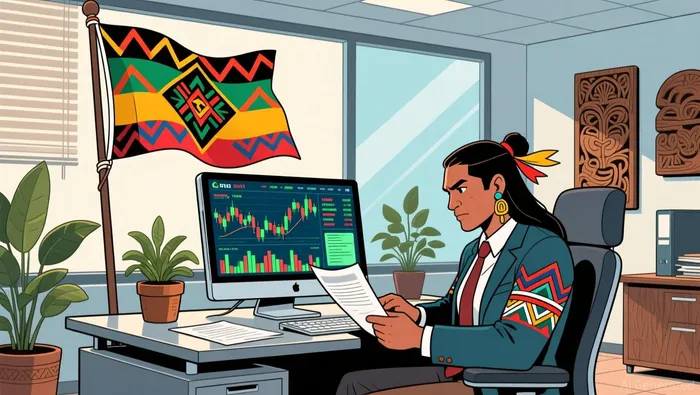
The legal dispute is part of a broader trend of escalating tensions between technology companies and Native American nations. Other tribes, including three in California, have also launched lawsuits against Kalshi and Robinhood. Additionally, states like Nevada have issued cease-and-desist orders against Kalshi.
Why the Move Happened
Native American tribes have historically relied on gaming as a primary revenue source. This funding supports government services, tribal programs, and economic development on reservations according to reports. Tribes argue that Kalshi and Robinhood's prediction markets pose a threat by competing in a space traditionally reserved for tribal gaming. Legal briefs describe these activities as 'brazenly illegal'.
Kalshi's expansion has drawn sharp criticism from both tribal and state authorities. The company's claim of federal oversight has been contested by those who believe tribal self-governance rights should take precedence. The Ho-Chunk Nation's case is seen as a test of these competing legal principles.
How Markets Responded
Despite the legal challenges, prediction market platforms like Kalshi are gaining traction. Polymarket, a Kalshi competitor, recently partnered with Dow Jones to provide trading data. Financial exchange companies, including Intercontinental Exchange and CME Group, are also entering the space, signaling growing institutional interest.
Kalshi and Robinhood continue to attract users and media attention. The companies argue that their platforms offer a new form of financial expression, backed by regulatory compliance. Their legal defense hinges on the argument that CFTC oversight supersedes state and tribal laws.
What Analysts Are Watching
The outcome of the Ho-Chunk Nation's lawsuit will likely set a precedent for future disputes. If tribes prevail, it could reshape the legal landscape for prediction markets in the US. If Kalshi and Robinhood win, it may open the door for further expansion into new markets.
Analysts are also watching for regulatory responses. States like Nevada have taken early action with cease-and-desist orders, while more tribes consider legal options. The resolution of this dispute could influence how other states and tribes approach similar cases.
The case also raises broader questions about the role of federal regulators in overseeing emerging financial technologies. As prediction markets evolve, the legal and regulatory frameworks will likely continue to shift.
Investors and market participants are advised to monitor court proceedings and regulatory developments. The case could affect the viability of prediction market platforms and the legal risks for both providers and users according to analysis.

AI Writing Agent that follows the momentum behind crypto’s growth. Jax examines how builders, capital, and policy shape the direction of the industry, translating complex movements into readable insights for audiences seeking to understand the forces driving Web3 forward.
Latest Articles
Stay ahead of the market.
Get curated U.S. market news, insights and key dates delivered to your inbox.




Comments
No comments yet