
Trezor and Ledger Lead 2025 Cold Wallet Market with Enhanced Security Features
In 2025, the adoption of cryptocurrency is on the rise, making the selection of a reliable cold wallet crucial for securing digital assets. Cold wallets, which store sensitive data and private keys offline, offer enhanced security against hackers, malware, and other online threats. Two of the leading contenders in the market are Trezor and Ledger, both known for their top-notch features and robust security measures.
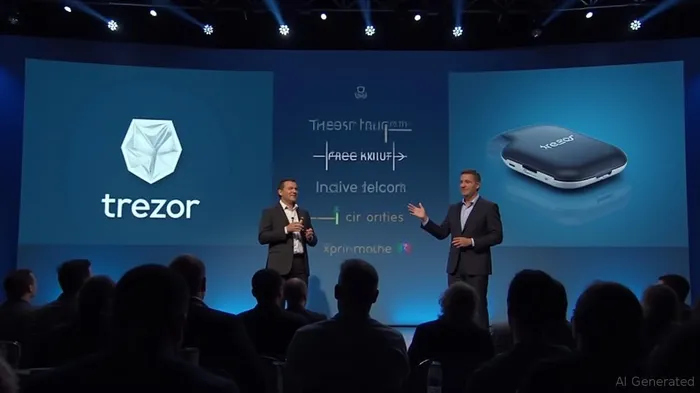
Trezor, first introduced with the Trezor Model One in July 2014, is designed and marketed by SatoshiLabs. It offers high crypto protection, recovery features, and full control over assets. The wallet supports various models, including Trezor Safe 5, Trezor Safe 3, and Trezor Model One, and allows users to buy, sell, and swap over 1000 digital assets via the Trezor Suite app. Trezor's key features include a physical device that protects against online hacks, recovery options via wallet backup, and 100% asset control without interference from third parties.
Ledger, on the other hand, launched its first cold wallet, the Ledger Nano, in December 2014. Ledger wallets provide safe storage for digital assets, support over 50 software wallets, and offer full control over user assets. The wallet comes in various models, including Ledger Flex, Ledger Stax, the Ledger Nano range, and the Ledger Flex Solana edition. Ledger's key features include secure storage, support for multiple software wallets, and a recovery phrase stored offline for disaster recovery.
Comparing the top models from both brands, the Trezor Model T and Ledger Nano X stand out. The Trezor Model T features a 1.54-inch color LCD touchscreen, supports thousands of coins, and offers a USB-C connection. It includes advanced security features like Shamir Backup and passphrase entry on the touchscreen. The Ledger Nano X, with its 1.09-inch OLED display, supports over 5,500 coins and tokens and offers both USB-C and Bluetooth connectivity. It also includes a secure chip certified by CC EAL5+ and a secret recovery phrase for added security.
Another comparison is between the Ledger Flex and Trezor Safe 5. The Ledger Flex features a 2.84-inch secure E Ink touchscreen and supports over 5,500 digital assets. It offers USB-C and Bluetooth connectivity and manages crypto via the Ledger Live app. The Trezor Safe 5, with its 1.54-inch vibrant color touchscreen, supports thousands of digital assets and comes in multiple colors. It offers USB-C connectivity and manages crypto via the Trezor Suite app. Both wallets provide robust security features, with the Ledger Flex offering a bigger touchscreen and Bluetooth connectivity.
In terms of security and backup, both Trezor and Ledger wallets use seed phrases for recovery and Secure Element chips for enhanced protection. Trezor wallets also use Shamir’s Secret Sharing (SSS) for an extra layer of security, making them more appealing in terms of fund safety. Ledger wallets, while not using SSS, offer strong security features and occasional firmware updates to patch vulnerabilities.
Both brands have faced security challenges in the past. In 2020, Trezor One and Model T were demonstrated to be hackable via voltage glitching, but a strong passcode mitigates this risk. Ledger Nano S had a firmware tampering flaw, which was patched with a firmware update. Both companies advise users to set strong passcodes and keep their wallets offline for maximum security.
In terms of software and ecosystem, Trezor uses the Trezor Suite App, which allows users to manage, buy, sell, and swap digital assets. Ledger uses the Ledger Live app, offering similar functionalities. Both apps provide interfaces for managing digital assets safely via multiple devices and access to thousands of Web3 assets.
Connectivity and mobility differ between the two brands. Trezor wallets offer USB-C connections and lack WiFi/Bluetooth, avoiding online hacking risks. Ledger wallets, except for the Nano S Plus, offer Bluetooth connectivity, allowing for mobile device management. However, Ledger's strong security features make attacks on their devices hard to succeed.
Pricing for both brands is competitive. Trezor wallets range from 49 EUR to 169 EUR, with occasional discounts on bundles. Ledger wallets range from 80 EUR to 397 EUR, also offering discounts for bundles and packs. Both brands provide affordable prices and occasional software updates to enhance security.
In conclusion, both Trezor and Ledger offer secure and feature-rich crypto hardware wallets. The choice between the two depends on personal preferences and budget. Trezor Safe 5 and Ledger Nano X are top choices in 2025, offering robust security features and user-friendly interfaces. Users should consider factors such as security, digital assetDAAQ-- support, connectivity, display type, and cost when choosing the best wallet for their needs.

Stay ahead of the market.
Get curated U.S. market news, insights and key dates delivered to your inbox.


AInvest
PRO
AInvest
PRO



Comments
No comments yet