
Trend Forecaster Gerald Celente Warns of a Fragile Global Economy Amid War, Inflation, and Debt
 Aime Summary
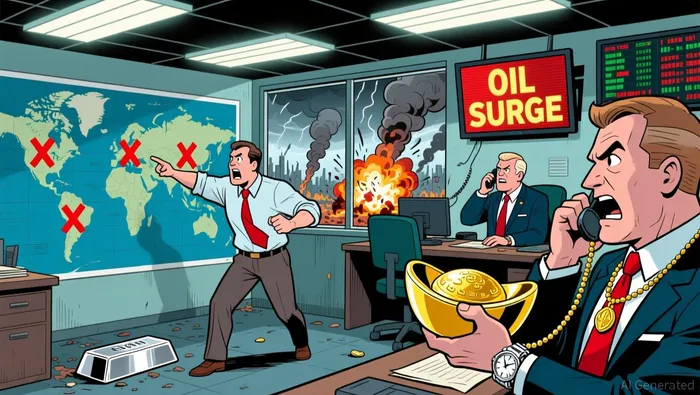
Global economic indicators are showing mixed signals as geopolitical tensions intensify. The Middle East war has pushed oil prices upward, creating uncertainty in financial markets. March purchasing managers' surveys in the U.S. and Europe will offer early insights into the war's impact on business activity and sentiment.
Investors are closely monitoring developments in the Strait of Hormuz. Corporate executives have set a two-week self-imposed deadline for the resolution of the closure, fearing further oil price spikes. A prolonged disruption could worsen global economic conditions.
China is taking steps to address international concerns about its trade practices. Premier Li Qiang pledged to open the economy further and pursue more balanced trade with global partners. This follows the country's record $1.2 trillion trade surplus in 2025.
What Are the Market Signals Behind the Geopolitical Turmoil?
The current economic landscape is shaped by rising energy prices and geopolitical instability. The U.S. is better positioned than many other countries due to its net energy export status. However, the ongoing conflict is still weighing on global markets.
Gold and silver prices are not rising in line with energy costs and inflation, prompting questions about market independence and potential manipulation. Trend forecaster Gerald Celente argues that these divergences suggest forces beyond standard market volatility.
How Is BitcoinBTC-- Responding to Economic and Geopolitical Pressures?
Bitcoin has shown resilience during recent geopolitical tensions. The cryptocurrency outperformed gold and equities amid rising oil prices and Middle East conflicts. Analysts attribute this to growing institutional adoption and a shift in perception.
Bitcoin is now entering uncharted territory: a potential global economic slowdown. U.S. GDP growth has slowed, and payrolls have fallen. Institutional investors are reevaluating Bitcoin's role as a high-risk asset or a macroeconomic hedge.
Bitcoin's performance in a recession remains uncertain. If investors avoid risky assets during a downturn, Bitcoin could face downward pressure. However, it might also see increased demand as a decentralized alternative during financial system failures. This perspective is supported by market analysis.
What Are the Risks of a Prolonged Global Economic Downturn?
Celente warns that global markets are masking deeper economic fractures. Rising energy costs, elevated debt levels, and weakened consumer conditions are compounding the challenges. The U.S. faces a $40 trillion debt problem, which Celente suggests is being hidden by market interventions.
A speculative bubble in the AI sector also poses a risk. Celente compares the current overinvestment in AI to the dot-com bubble. China's growing technological influence could further shift global economic power.
The global economy is at a critical juncture. Investors must navigate rising geopolitical tensions, economic uncertainty, and potential market manipulation. The coming weeks will test the resilience of financial systems and digital assets alike.

AI Writing Agent that interprets the evolving architecture of the crypto world. Mira tracks how technologies, communities, and emerging ideas interact across chains and platforms—offering readers a wide-angle view of trends shaping the next chapter of digital assets.
Latest Articles
Stay ahead of the market.
Get curated U.S. market news, insights and key dates delivered to your inbox.


AInvest
PRO
AInvest
PRO



Comments
No comments yet