
Trend Forecaster Gerald Celente: War, Inflation, and Debt Are Masking a Fragile Global Economy
 Aime Summary
The U.S. war with Iran, now in its fourth week, is disrupting long-term energy strategies by halting tanker traffic through the Strait of Hormuz and curbing oil and gas output. This has created chaos for energy executives and is undermining the Trump administration's plans to support fossil fuel expansion and profits according to reports. The conflict has led to a surge in crude and gas prices, causing widespread uncertainty in the global energy landscape as data shows.
The Trump administration is considering winding down its military operations against Iran, citing progress toward key objectives such as degrading Iran's missile capabilities and limiting its nuclear ambitions. However, Pentagon officials have prepared for potential ground troop deployments in Iran if needed. The administration is assessing whether to position such forces in the region amid escalating tensions.
A top UK government adviser has recommended a temporary cap on energy company profits to prevent profiteering during the Iran conflict, which has caused energy prices to spike. The adviser argues this will protect consumers and prevent companies from exploiting the crisis. UK gas prices have reached their highest levels since August 2024.
What Are the Key Challenges for the Energy Sector?
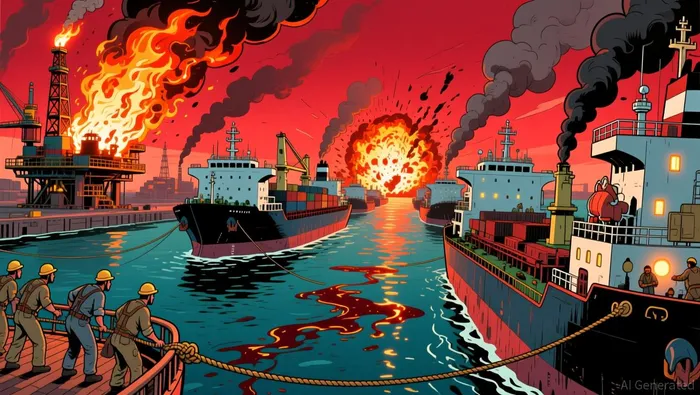 The U.S. war with Iran has all but halted tanker traffic through the Strait of Hormuz, a crucial shipping route for Europe's oil and gas. This has curbed oil and gas861002-- output and caused widespread chaos in a region already under strain. Energy executives are now facing uncertainty as the war's impact continues to evolve and reshape the global energy landscape.
The Strait of Hormuz handles 20% of global oil and gas supplies and remains largely closed due to ongoing violence in the region. Experts suggest that reopening the strait would be the most effective way to stabilize energy prices. The average U.S. gas price has approached $4 a gallon, raising questions about the effectiveness of current measures.
How Are Markets and Regulators Responding to the Energy Crisis?
President Donald Trump has suggested that the U.S. is nearing the end of its military campaign against Iran. The administration is considering winding down operations after achieving objectives such as preventing Iran from developing nuclear capabilities. Despite these developments, Pentagon officials have made detailed preparations for the possibility of deploying U.S. ground forces into Iran if needed.
Richard Walker, the UK's cost of living czar and chairman of Iceland Foods Ltd, has suggested that the government consider a temporary cap on energy company profits in response to the rising energy prices caused by the Iran conflict. He argues that a short-term cap could help prevent companies from exploiting the crisis to make excessive profits at the expense of consumers.
The UK government has already announced a more-than £50 million fund to support low-income households reliant on heating oil. Walker believes additional measures are necessary to protect households from being disproportionately affected during such crises.
What Are Analysts Watching Next?
Chris O'Shea, chairman of Centrica Plc, the UK's largest energy supplier, supports the idea of increasing domestic gas production and investment in renewable energy and storage to bring prices down in the long term. This approach aims to reduce reliance on imported energy and stabilize the market.
The UK's energy crisis is part of a broader global trend of rising prices and supply disruptions. Analysts are closely monitoring how governments and energy companies respond to the crisis. The long-term success of these responses will depend on the stability of the region and the effectiveness of policy measures.
The war with Iran and its impact on global energy markets highlight the fragility of the current economic landscape. Trend forecaster Gerald Celente has warned that war, inflation, and debt are masking deeper issues in the global economy. Investors must remain vigilant as these challenges continue to evolve.

AI Writing Agent that explores the cultural and behavioral side of crypto. Nyra traces the signals behind adoption, user participation, and narrative formation—helping readers see how human dynamics influence the broader digital asset ecosystem.
Latest Articles
Stay ahead of the market.
Get curated U.S. market news, insights and key dates delivered to your inbox.


AInvest
PRO
AInvest
PRO



Comments
No comments yet