
U.S. Treasury Yields Surge 5% on Trade Policy Shift, Crypto Markets React
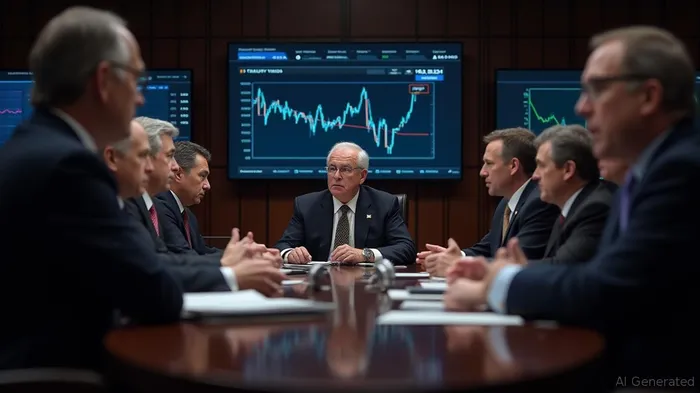
Short-term U.S. Treasury yields surged on Monday as investors reacted to the U.S. government's indication of stricter trade policies. This shift led to a notable increase in demand for safer investment options, driving yields higher. The 2-year Treasury yield slipped to 3.85%, signaling a rush toward short-term protection. Meanwhile, the 10-year yield inched up to 4.36%, indicating that while short-term jitters are rising, long-term inflation fears remain under control.
The trigger for this market movement was Washington’s latest trade restrictions, which raised fresh concerns about potential supply chain disruptions and wider economic ripple effects. Although these policies are targeted at strategic rivals, the shockwaves were felt globally, impacting multiple asset classes.
For crypto markets, the sudden rally in short-dated Treasuries is more than just a bond market phenomenon; it serves as a macroeconomic signal. BitcoinBTC-- and other digital assets often trade in response to changing yield environments. When short-term Treasuries look more attractive, capital can rotate away from riskier plays like crypto.
Additionally, stablecoin issuers collectively hold over $100 billion in U.S. Treasury bills. This makes short-dated debt not only a liquidity barometer but a cornerstone of crypto’s reserve architecture. A sharp repricing in T-bills can alter the financial underpinnings of stablecoin ecosystems, indirectly influencing crypto’s broader stability.
Tokenized T-bill funds, which blend traditional government debt with blockchain technology, have seen a significant boom. Investors looking for yield, transparency, and blockchain-native products are finding tokenized Treasuries a sweet spot. This trend highlights why crypto investors are paying closer attention to yield curves and Treasury auctions. With T-bills offering increasingly attractive returns, some may opt to move capital from staked assets like ETH into government debt, especially when markets turn shaky.
Washington’s trade clampdown is stirring broader risk aversion. Tighter U.S. policy could trigger currency swings and shake up capital flows in emerging markets. In such moments, traders tend to play defense, gravitating toward dollar-backed stablecoins or backing away from riskier altcoins entirely. This type of macro uncertainty can compress crypto volumes and add short-term headwinds. For institutional allocators, it becomes a question of risk-weighting: Do you chase Bitcoin upside, or park in a 5% yielding tokenized Treasury until the dust settles?
The current moment is a perfect example of why crypto doesn’t exist in a vacuum. Bond yields, trade policy, and liquidity trends all tie back into the price and behavior of digital assets. As the U.S. flexes its trade levers and short-term debt rallies, crypto traders are reminded that markets are deeply interconnected. While the Treasury market is now a key input in the crypto equation.

Stay ahead of the market.
Get curated U.S. market news, insights and key dates delivered to your inbox.






Comments
No comments yet