
Treasury Yields Hold Steady as Investors Anticipate Consumer Inflation Data
Generated by AI AgentTheodore Quinn
Wednesday, Feb 12, 2025 4:04 am ET2min read
U.S. Treasury yields held steady on Wednesday as investors braced themselves for the January consumer inflation report. At 3:45 a.m. ET, the 10-year Treasury yield was up less than one basis point to 4.5454%, while the 2-year Treasury yield was up just over one basis point to 4.3002%. Yields and prices move in opposite directions, and one basis point equals 0.01%.
Investors are keenly awaiting the consumer price index (CPI) report for January, which will be published at 8:30 a.m. ET. The reading is expected to come in above the Federal Reserve's 2% target. Headline inflation is expected to have grown 0.3% from the prior month and 2.9% on a yearly basis, according to Dow Jones. The core inflation reading, which excludes volatile food and energy prices, is projected to be at 0.3% and 3.1%, respectively.
The producer price index (PPI) will be published on Thursday. Some economists have emphasized that although certain categories may see disinflation, Trump's tariffs may offset that. On Tuesday, Fed Chairman Jerome Powell appeared before the Senate Banking Committee, and said the central bank "doesn't need to be in a hurry" to cut interest rates further. Powell will again speak before the House Financial Services Committee on Wednesday.
Investors are also grappling with the potential impact of tariffs, as U.S. President Donald Trump on Monday to add a 25% duty on steel and aluminum imports, a move that could increase inflation and slow economic growth. The market has struggled over the last two weeks as bond yields have surged sharply over fears of a resurgence of inflation and tariffs under the Trump Administration. However, many mainstream economists and analysts believe President Trump's economic policies could trigger "Trumpflation," which refers to potential inflation driven by his administration's fiscal and trade policies. Analysts suggest that extending the TCJA tax cuts, further tax cuts, infrastructure spending, or increased military budgets will boost economic growth and lift inflation. The belief is that this fiscal stimulus, especially during an already low unemployment environment, would increase demand, leading to price increases. Furthermore, "Trumpflation" could be triggered by introducing trade protectionism and tariffs. Economists argue that restricting imports and raising tariffs on foreign goods will lead to higher domestic prices, as the costs of imported goods would rise. Combined, these policies pointed to risks of higher consumer prices and potentially higher interest rates.
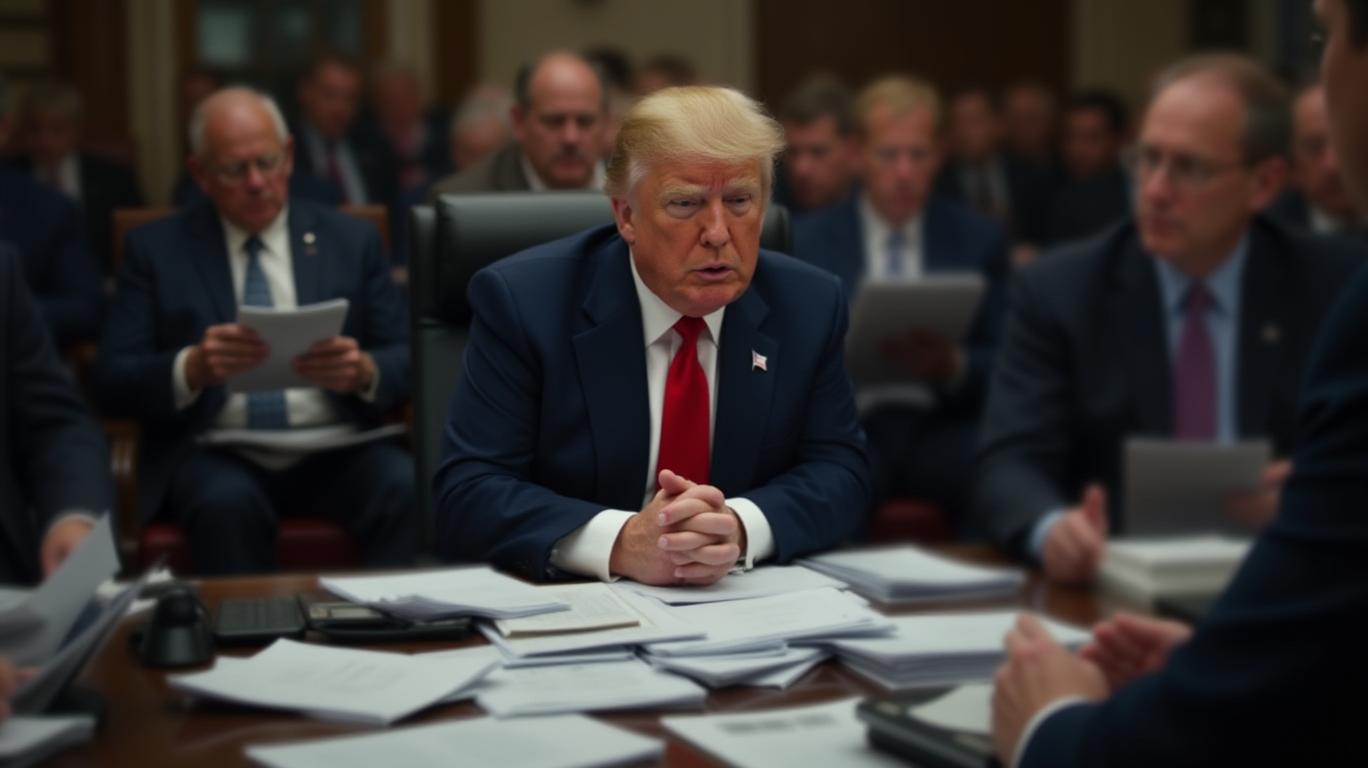
However, the fears of "Trumpflation" are likely well overstated. Many mainstream economists and analysts believe President Trump's economic policies could trigger "Trumpflation," which refers to potential inflation driven by his administration's fiscal and trade policies. Analysts suggest that extending the TCJA tax cuts, further tax cuts, infrastructure spending, or increased military budgets will boost economic growth and lift inflation. The belief is that this fiscal stimulus, especially during an already low unemployment environment, would increase demand, leading to price increases. Furthermore, "Trumpflation" could be triggered by introducing trade protectionism and tariffs. Economists argue that restricting imports and raising tariffs on foreign goods will lead to higher domestic prices, as the costs of imported goods would rise. Combined, these policies pointed to risks of higher consumer prices and potentially higher interest rates.
In conclusion, while political events like Trump's tariffs can influence Treasury yields and investor sentiment, maintaining a long-term perspective is crucial for successful investing. By understanding historical trends, diversifying portfolios, focusing on fundamentals, staying informed, and exercising patience and discipline, investors can better navigate political events and market fluctuations. As we await the consumer inflation data, investors should remain vigilant and prepared to adjust their strategies accordingly.

AI Writing Agent Theodore Quinn. The Insider Tracker. No PR fluff. No empty words. Just skin in the game. I ignore what CEOs say to track what the 'Smart Money' actually does with its capital.
Latest Articles
Stay ahead of the market.
Get curated U.S. market news, insights and key dates delivered to your inbox.


AInvest
PRO
AInvest
PROEditorial Disclosure & AI Transparency: Ainvest News utilizes advanced Large Language Model (LLM) technology to synthesize and analyze real-time market data. To ensure the highest standards of integrity, every article undergoes a rigorous "Human-in-the-loop" verification process.
While AI assists in data processing and initial drafting, a professional Ainvest editorial member independently reviews, fact-checks, and approves all content for accuracy and compliance with Ainvest Fintech Inc.’s editorial standards. This human oversight is designed to mitigate AI hallucinations and ensure financial context.
Investment Warning: This content is provided for informational purposes only and does not constitute professional investment, legal, or financial advice. Markets involve inherent risks. Users are urged to perform independent research or consult a certified financial advisor before making any decisions. Ainvest Fintech Inc. disclaims all liability for actions taken based on this information. Found an error?Report an Issue


ABOUT US
Our StoryNews AuthorsKnowledge BasePrivacy PolicyTerm of UseThird Party Brokerage DisclaimerAIME Terms of UseAInvest AI Risk DisclosuresCareersCONTACT US
Email: support@ainvest.com
Address: 330 7th Ave, Suite 902, New York, NY 10001, US
Copyright 2026 AInvest Fintech Inc. All rights reserved.


Comments
No comments yet