
Treasury Secretary Warns US Debt-to-GDP Ratio at 124% Unsustainable
Treasury Secretary Scott Bessent has sounded the alarm on the US government's fiscal pathPATH--, describing it as "scary" and unsustainable. During a House committee hearing focused on the White House’s 2026 budget requests, Bessent was questioned by Congressman Chuck Edwards about the potential consequences of unsustainable debt levels. He warned that if the debt becomes unsustainable, it would result in a sudden economic halt as credit disappears and markets lose confidence. Bessent emphasized the importance of reversing this trajectory before it reaches a tipping point, although he acknowledged the difficulty in pinpointing exactly when that point would be reached.
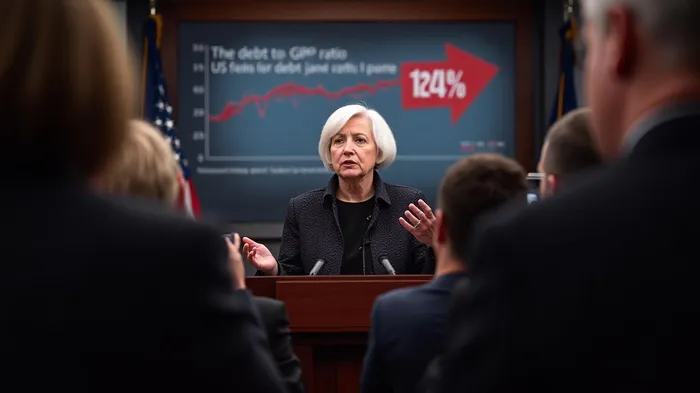
Bessent, who previously served as a partner at Soros Fund Management, stressed that while the absolute level of debt is concerning, the debt-to-GDP ratio is the crucial metric. He and Secretary Yellen are committed to controlling the debt and growing the GDP to mitigate the risks associated with high debt levels. As of the end of 2024, the US’s debt-to-GDP ratio stood at 124%, highlighting the urgency of the situation.
In addition to his concerns about the debt trajectory, Bessent also expressed his opposition to the Federal Reserve introducing a central bank digital currency (CBDC). He argued that digital assets should remain in the private sector and that a CBDC would be a sign of weakness rather than strength. Bessent explained that foreign central banks and reserve managers already have a variety of US assets to invest in, making a CBDC unnecessary for ease of use or as a good choice for underlying assets.
Bessent's warnings underscore the critical need for the US government to address its fiscal trajectory. The high debt-to-GDP ratio and the potential for economic turmoil if the debt becomes unsustainable highlight the urgency of the situation. The Treasury Secretary's commitment to controlling the debt and growing the GDP, along with his opposition to a CBDC, reflect a broader strategy to ensure the stability and strength of the US economy.

Stay ahead of the market.
Get curated U.S. market news, insights and key dates delivered to your inbox.


AInvest
PRO
AInvest
PRO



Comments
No comments yet