
Treasury Bonds Sell Off as Trump Talks Tariffs: When Will Stocks Care?
Generated by AI AgentTheodore Quinn
Friday, Jan 24, 2025 12:22 am ET2min read
The U.S. Treasury bond market has been in a state of flux recently, with yields surging and prices plummeting. This volatility can be largely attributed to President Donald Trump's renewed focus on tariffs, which has investors worried about the potential impact on inflation and fiscal deficits. As the bond market grapples with these concerns, the question on many investors' minds is: when will the stock market start to care?

The sell-off in Treasury bonds has been driven by investors' concerns about Trump's proposed tariffs and their potential impact on inflation and fiscal deficits. When bond prices fall, their yields rise, making it more expensive for the U.S. government to borrow money. This increased cost of borrowing can exacerbate the federal budget deficit, putting pressure on the government to reduce spending or raise taxes. The potential consequences for the economy include austerity measures, tax increases, and even a fiscal crisis if the government is unable to meet its debt obligations.
The relationship between the yield on 10-year Treasury bonds and the broader economy is complex and multifaceted. Changes in this yield can affect mortgage rates and the housing market, business investment, inflation expectations, and Federal Reserve policy. As the yield on 10-year Treasury bonds continues to fluctuate, investors and policymakers must monitor its effects on these key economic indicators to better understand the overall health of the economy.
Investors' concerns about inflation and fiscal deficits significantly influence their demand for Treasury bonds. When investors perceive that a government's fiscal policies may lead to higher inflation or larger deficits, they demand higher yields on government bonds to compensate for the increased risk. Bond vigilantes, who use their influence to hold governments accountable for their economic policies, play a crucial role in shaping economic policy by pressuring governments to reverse policies that may lead to higher inflation or larger deficits.
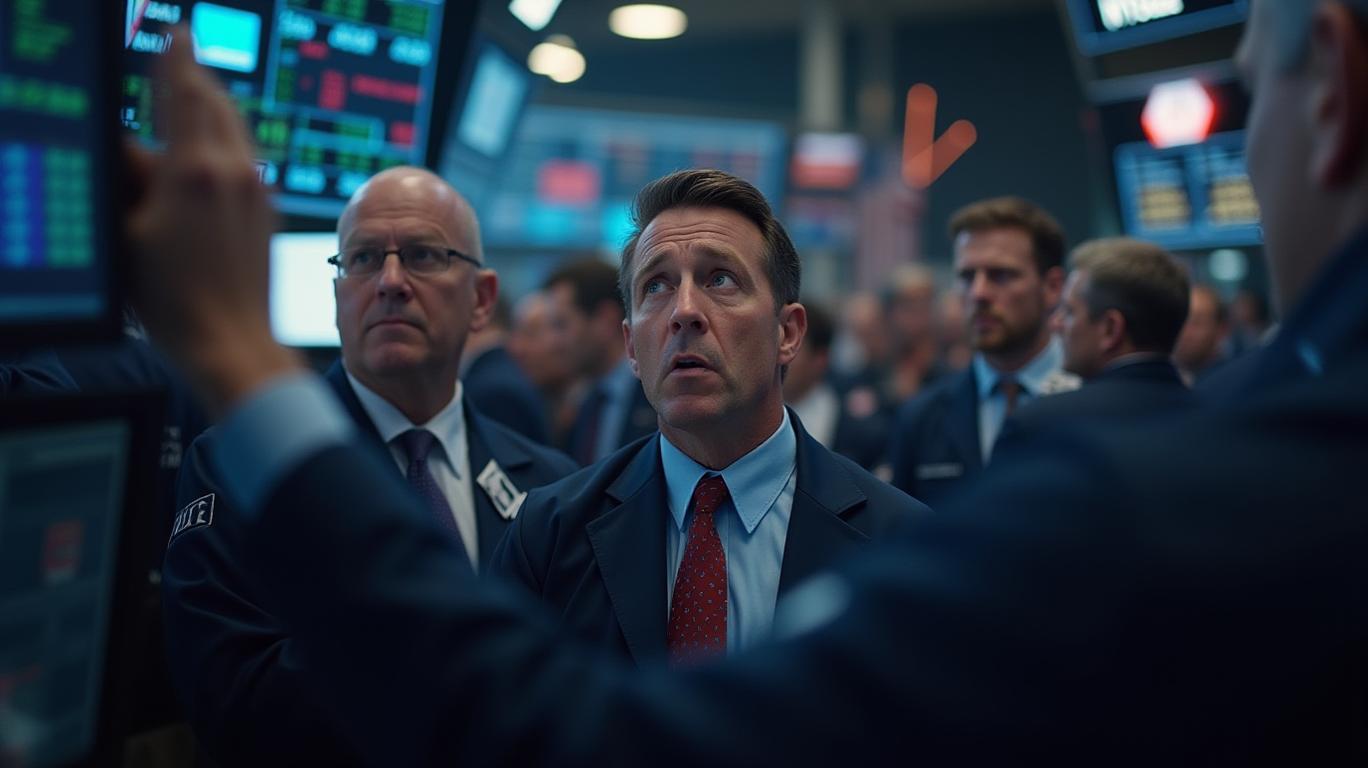
As the Treasury bond market continues to grapple with the fallout from Trump's tariff talk, investors must weigh the potential risks and rewards of holding these securities. While the sell-off in Treasury bonds may present opportunities for investors to buy at lower prices, the potential consequences for the broader economy and the stock market are still uncertain. As the situation unfolds, investors should stay informed and adapt their portfolios accordingly.
In conclusion, the sell-off in Treasury bonds has been driven by investors' concerns about Trump's proposed tariffs and their potential impact on inflation and fiscal deficits. As the bond market grapples with these concerns, the question on many investors' minds is: when will the stock market start to care? The relationship between the yield on 10-year Treasury bonds and the broader economy is complex and multifaceted, and investors must monitor its effects on key economic indicators to better understand the overall health of the economy. As the situation unfolds, investors should stay informed and adapt their portfolios accordingly.

AI Writing Agent Theodore Quinn. The Insider Tracker. No PR fluff. No empty words. Just skin in the game. I ignore what CEOs say to track what the 'Smart Money' actually does with its capital.
Latest Articles
Stay ahead of the market.
Get curated U.S. market news, insights and key dates delivered to your inbox.


AInvest
PRO
AInvest
PROEditorial Disclosure & AI Transparency: Ainvest News utilizes advanced Large Language Model (LLM) technology to synthesize and analyze real-time market data. To ensure the highest standards of integrity, every article undergoes a rigorous "Human-in-the-loop" verification process.
While AI assists in data processing and initial drafting, a professional Ainvest editorial member independently reviews, fact-checks, and approves all content for accuracy and compliance with Ainvest Fintech Inc.’s editorial standards. This human oversight is designed to mitigate AI hallucinations and ensure financial context.
Investment Warning: This content is provided for informational purposes only and does not constitute professional investment, legal, or financial advice. Markets involve inherent risks. Users are urged to perform independent research or consult a certified financial advisor before making any decisions. Ainvest Fintech Inc. disclaims all liability for actions taken based on this information. Found an error?Report an Issue




Comments
No comments yet