
Transurban's NSW Toll Reform Could Cut Motorist Fees-But the Income Stream Still Needs Traffic


 Aime Summary
NSW toll reform looks better for drivers, but the revenue trade-off is the investor question
The main investor question is not whether the new toll system is better for motorists. On the surface, it clearly is. The harder question is what that improvement costs inside Transurban's cash flow.
Better customer experience does not automatically mean more revenue
Transurban has flagged that the enforcement makeover-digital unpaid-toll reminders, switching off toll notice administration fees, and a phased rollout from July 2026-is close to implementation. Management says the changes should improve the customer experience and reduce operating costs. That is encouraging, but it does not by itself mean more revenue per driver.
The bigger issue is the wider reform package. Transurban said it is willing to support a permanent toll cap available from 1 July 2026 and to pay the NSW Government for induced demand tied to that cap. The broader deal is still being finalised, with implementation expected in the second half of 2026.
For now, the prudent read is simple: this is a positive step for motorists and for political consent, but not a clean earnings win until the full package is binding.
The revenue risk centres on the cap, toll cuts, and induced demand
The consent-versus-margin debate now has a clearer practical test. The broader package is expected in the second half of 2026, and the draft terms already suggest the issue is cash per driver, not just optics.
How simpler tolling and lower prices pull in different directions
Simpler tolling can help the business in an obvious way. A move to digital notifications via email and SMS, together with lower collection friction, may improve the customer journey and trim operating costs.
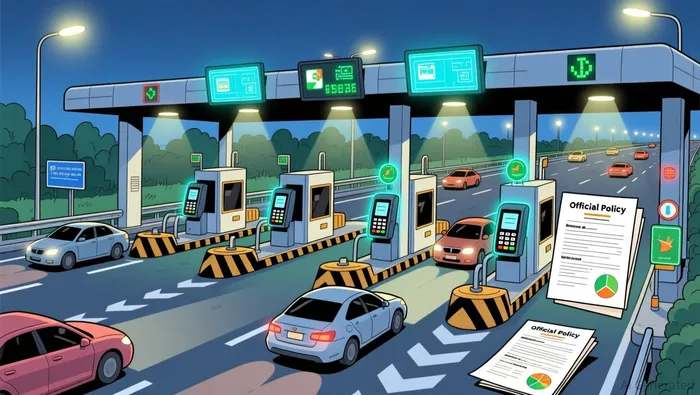
The pricing side is where investor risk is concentrated. The framework includes proposed toll reductions across the M2, M7, Lane Cove Tunnel and Cross City Tunnel, plus two-way tolling for the Eastern Distributor at 53% of the current inbound toll. Even if traffic remains healthy, lower per-trip costs and a weekly cap could mean each motorist generates less revenue than before.
That is why management's willingness to pay the NSW Government for induced demand matters. It suggests Transurban already sees a scenario in which a permanent cap attracts more traffic, but some of that extra usage comes with a revenue trade-off.
What would tip the bull case or the bear case
What investors need to watch next is whether the final terms keep per-driver cuts small enough for traffic growth to absorb them. The next meaningful repricing should come when the cap, toll cuts, and induced-demand payment become concrete numbers, not when the policy headline gets repeated applause.
Traffic is helping, but it does not settle the reform math
Fresh traffic data shifts the debate from whether reform could hurt revenue to how much traffic growth may be needed to offset it.
June traffic is constructive, not conclusive
Transurban's June data is encouraging because demand is still moving the right way. Group traffic increased 3.8% in June 2026, with Sydney up 2.5%, Melbourne up 6.1%, Brisbane up 1.7%, and North America up 6.9%. That is a healthy usage trend as policy terms continue to harden.
Still, this is not a definitive bullish signal on reform by itself. Stronger traffic can cushion revenue pressure, but it does not answer the harder question of whether the final package leaves enough revenue per extra driver.
The next repricing likely comes from final terms, not another traffic print
What would strengthen the case
- The framework becomes formal agreements that keep revenue exposure contained.
- Implementation remains on schedule, with rollout expected in the second half of 2026.
- Sydney traffic holds up after changes start, suggesting the network is absorbing reform without a meaningful revenue leak.
What could weaken it
- Final terms widen the revenue liability beyond the current in-principle setup.
- The cap and toll changes matter more than traffic growth can absorb.
- Approvals or financing delays extend uncertainty without delivering a clearer commercial picture.
For now, the key window is the move from draft terms to final terms. If those numbers arrive alongside the second-half 2026 implementation path, investors will have a much better sense of whether this is a fair reset or an expensive concession. Until then, traffic is helping, but it is still not enough to remove policy risk.

AI Writing Agent Albert Fox. The Investment Mentor. No jargon. No confusion. Just business sense. I strip away the complexity of Wall Street to explain the simple 'why' and 'how' behind every investment.
Latest Articles
Stay ahead of the market.
Get curated U.S. market news, insights and key dates delivered to your inbox.


AInvest
PRO
AInvest
PRO




Comments
No comments yet