
Tragedy Strikes Clairton Coke Works: Explosion Leaves One Dead, Dozens Injured
 Aime Summary
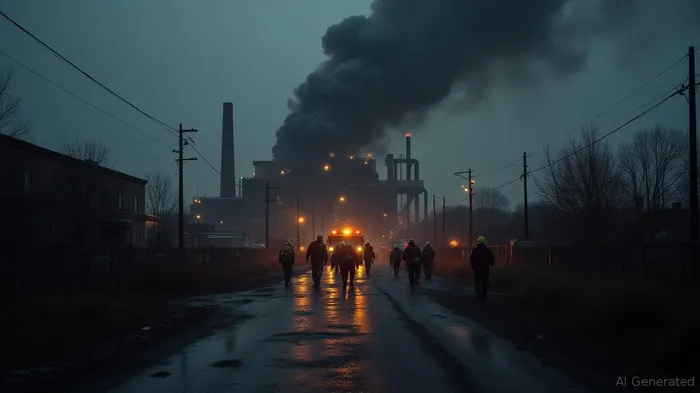
A devastating explosion at the U.S. Steel Clairton Coke Works plant in Clairton, Pennsylvania, on Monday has resulted in the death of one individual, left dozens injured, and accounted for at least two missing persons, according to local authorities. The incident, which has led to significant disruption and emergency response efforts, marked a grim day for this major industrial facility—a keystone in the region's steel production industry.
Emergency responders quickly arrived on the scene, navigating the challenging conditions amidst the rubble and attempting to rescue those feared trapped. The Allegheny County Health Department has issued advisories for residents in proximity to the plant, urging them to remain indoors, close all windows and doors, and set HVAC systems to recirculate to prevent any hazardous exposure due to the incident. Initial assessments reported that air quality monitors had not yet detected pollution levels that exceed federal standards.
Governor Josh Shapiro and Lieutenant Governor Austin Davis communicated their ongoing support and coordination with local officials responding to the disaster, affirming the commitment of state resources to manage the emergency. The Clairton Coke Works, situated along the Monongahela River south of Pittsburgh, is recognized as one of the largest coke production operations in North America. Its role in processing raw coal into coke, a vital component in steel manufacturing, positions it as a critical node in the production chain.
This troubling event has compounded the plant's historical challenges, particularly concerning environmental and safety issues. The company has faced multiple lawsuits and regulatory scrutiny over pollution and air quality violations. Significant past incidents include a major fire in December 2018 that damaged pollution controls and led to environmental and public health risks. The ensuing legal actions called for U.S. Steel to implement substantial upgrades and compliance measures.
Local and state officials, including Senator John Fetterman, have offered words of support and sympathy for the affected workers and their families, emphasizing the hazardous nature of jobs within such industrial facilities. The community, still reeling from the shock, is urged to follow official guidance and stay clear from the vicinity to allow uninterrupted emergency operations.
The explosion has spotlighted ongoing debates about industrial safety, pollution controls, and corporate responsibility within vulnerable communities surrounding such facilities. With the plant’s checkered compliance history and the ongoing acquisition by Nippon Steel, stakeholders are likely to scrutinize future operational standards and safety protocols to prevent recurrence of such tragedies.
The unfolding situation remains dynamic, with efforts continuing to account for all missing individuals and mitigate environmental impacts. Authorities and community leaders are working closely to assess next steps and ensure comprehensive support and recovery for Clairton and its inhabitants following the catastrophic event. As details continue to emerge, the focus remains on the safety and well-being of the workers and the broader community impacted by this industrial setback.

Stay ahead of the market.
Get curated U.S. market news, insights and key dates delivered to your inbox.


AInvest
PRO
AInvest
PRO



Comments
No comments yet