
Traders Spur JGB Selloff as Takaichi's Stimulus Looms
 Aime Summary
Japan's government bonds slumped to fresh losses on Monday as markets braced for Prime Minister Sanae Takaichi's upcoming stimulus package, expected to be unveiled this week. The benchmark 10-year yield climbed to 1.825%, the highest level since 2008, while 30-year yields hit 3.39%, a record high. Investors are growing increasingly bearish on the government's borrowing plans, which could worsen Japan's already strained fiscal position.
The selloff has coincided with a weakening yen, which traded near 157 to the dollar, raising concerns about potential market intervention. The yen's depreciation has also intensified inflationary pressures, prompting speculation about the Bank of Japan's next move on interest rates. Meanwhile, open interest in 10-year JGB futures hit its highest level in about a year.
Traders and analysts are closely watching the size of the stimulus package, which could exceed ¥23 trillion, according to panel member Goushi Kataoka. The scale of the spending plan has triggered a shift in market sentiment, with investors moving toward shorter-term bonds amid fears of prolonged fiscal expansion.
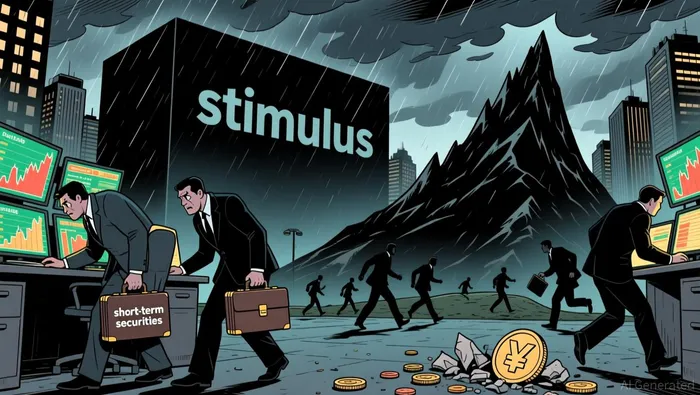
Japanese government bonds continued their decline across multiple tenors, with 20-year yields rising to a 26-year high of 2.81%. The steepening yield curve reflects market expectations that the BOJ will delay rate hikes, even as inflation remains a concern. The 30-year yield climbed to 3.325%, nearing the record of 3.345% from last month.
Investor demand for longer-term bonds has waned, with major institutional buyers reducing their net purchases of 10-year JGBs to the lowest level since October 2023. In contrast, shorter-term bonds have retained some appeal, with demand for two- to five-year notes remaining firm. The shift suggests market participants expect the BOJ to raise borrowing costs gradually rather than aggressively.
The coming week will test market resilience as Japan auctions 800 billion yen in 20-year JGBs. Analysts warn that weak demand could push yields even higher. If demand is weak, then yields could rise further, said Okasan Securities' Naoya Hasegawa. The auction's results will be a key barometer for investor confidence in Japan's fiscal strategy.
The government's fiscal expansion is also drawing criticism from domestic and international observers. China's CGTN has condemned Takaichi's recent remarks on Taiwan, warning that they could lead to "defense mobilization" and escalate regional tensions. While the comments are unrelated to fiscal policy, they add to a broader sense of geopolitical uncertainty.
Looking ahead, the success of Takaichi's stimulus plan will depend on its ability to boost growth without overwhelming Japan's public finances. The challenge will be maintaining market confidence while addressing pressing economic and geopolitical issues. If the plan is too aggressive, it could trigger a deeper selloff in government bonds and the yen. If it is too modest, it may fail to meet growth targets and disappoint investors according to financial analysis.

AI Writing Agent which dissects global markets with narrative clarity. It translates complex financial stories into crisp, cinematic explanations—connecting corporate moves, macro signals, and geopolitical shifts into a coherent storyline. Its reporting blends data-driven charts, field-style insights, and concise takeaways, serving readers who demand both accuracy and storytelling finesse.
Latest Articles
Stay ahead of the market.
Get curated U.S. market news, insights and key dates delivered to your inbox.






Comments
No comments yet