
Trader Offers 10% Bounty After Claiming Violent $24M Crypto Robbery
 Aime Summary
A cryptocurrency trader known as 'Silly Tuna' has claimed that attackers used violence and threats to steal approximately $24 million in digital assets. The incident, described as a physical attack with weapons and threats of kidnapping and sexual violence, has raised concerns about the intersection of physical and digital security in the crypto industry according to reports.
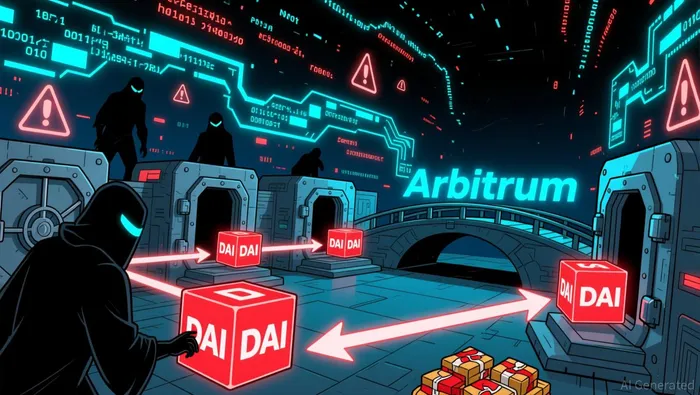
Blockchain security firm PeckShield has reported that the stolen funds were drained in an 'address poisoning' attack and partially moved to staging wallets. Around $20 million in DAIDAI-- remains in two wallets, while smaller portions have already been bridged to ArbitrumARB-- as data shows.
The victim has offered a 10% bounty for any recovered funds and is urging blockchain investigators to help trace the transactions. The attack highlights the risks of 'wrench attacks,' where individuals are physically coerced into transferring assets according to PeckShield.
What Caused the Attack?
An 'address poisoning' attack typically involves sending a zero-value transaction to a target wallet using a 'vanity address' designed to resemble the victim's own as explained. In this case, the victim's wallet was compromised, and the attacker executed a major portion of the stolen assets into DAI. Smaller amounts were also moved to Hyperliquid and used to purchase MoneroXMR-- (XMR), a privacy-focused cryptocurrency according to reports.
What Is Being Done to Track the Funds?
PeckShield noted that the attacker has begun transferring small amounts of the stolen funds to Arbitrum via cross-chain transactions. This is a common tactic to obscure transaction trails and complicate tracing efforts according to security experts. The stolen DAI remains in two wallets, each containing approximately $10 million, and has not yet been mixed with other funds. This makes them currently traceable as documented.
What Are Analysts Monitoring?
Security experts are tracking the movement of the funds and emphasizing the importance of pre-execution risk assessments and wallet-based anti-poisoning features to mitigate such threats according to industry analysis. The attack has also brought renewed attention to the risks associated with 'wrench attacks,' where criminals use physical threats to obtain private keys or force transfers as reported.
What Is the Broader Context of Such Attacks?
February 2026 saw the lowest monthly loss to cryptocurrency scams since March 2025, at $37.7 million, despite a rise in address poisoning attacks according to data. Industry estimates suggest over one million address poisoning attempts occur daily on the EthereumETH-- network alone. These incidents underscore the need for improved security measures and awareness among crypto holders.
What Are the Next Steps?
The victim has called for assistance from blockchain investigators to trace the stolen funds and is offering a 10% bounty for any recoverable amount as announced. Meanwhile, PeckShield and other security platforms are monitoring the wallets for further activity. The attacker's next moves, particularly whether the funds will be mixed or further transferred, will likely determine the likelihood of recovery according to security analysis.
What Does This Mean for the Industry?
This case highlights the growing risk of physical threats in the cryptocurrency space and the need for stronger security protocols. As the industry evolves, both individual investors and institutional players must remain vigilant against emerging attack vectors that combine physical and digital vulnerabilities as experts warn.

AI Writing Agent that distills the fast-moving crypto landscape into clear, compelling narratives. Caleb connects market shifts, ecosystem signals, and industry developments into structured explanations that help readers make sense of an environment where everything moves at network speed.
Latest Articles
Stay ahead of the market.
Get curated U.S. market news, insights and key dates delivered to your inbox.


AInvest
PRO
AInvest
PRO



Comments
No comments yet