
Trader Joe's Frozen Rice Recall Sparks Investor Concerns: What to Know About Food Safety Risks
 Aime Summary
. The recall was initiated by Ajinomoto Foods North America after four customers reported finding glass in the product. No injuries have been reported, but the recall underscores the importance of food safety for both consumers and investors. The affected products include both U.S. , 2026.
Investors have been watching closely as food safety issues can have long-term impacts on brand reputation and profitability. This recall, while not immediately tied to injury or regulatory enforcement action, could raise concerns among shareholders and analysts about operational controls and risk management. Retailers like Trader Joe's must maintain high safety standards to protect both their bottom line and public trust.
What does this mean for shareholders? Food safety incidents can trigger regulatory reviews, consumer backlash, and supply chain interruptions. In this case, the recall is voluntary, and the company has issued full refunds, which may help mitigate damage. Still, investors should keep an eye on any follow-up actions from the USDA or the company's management. A swift and transparent response is crucial in preserving consumer confidence and minimizing long-term financial consequences.
Why Is Trader Joe's Frozen Chicken Fried Rice Being Recalled?
Trader Joe's chicken fried rice is being recalled due to potential contamination with glass fragments. The recall was triggered after four customers reported finding glass in the product, leading the company to voluntarily pull the affected items from shelves and alert the . The recall includes both U.S. .
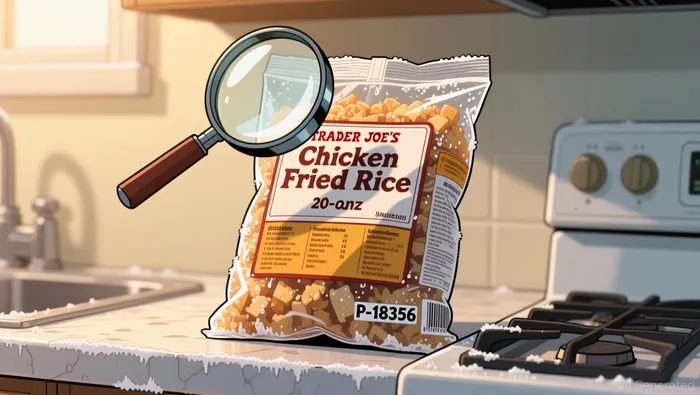
The recalled products are 20-ounce frozen bags labeled "Trader Joe's Chicken Fried Rice with stir fried vegetables, seasoned dark chicken meat, and eggs". The company emphasized that no injuries have been reported and that consumers should not consume the recalled products. Instead, they are advised to either return the items to the store for a refund or throw them away. The affected items are stamped with the establishment number .
What Are the Risks for Investors in This Recall Situation?
Food safety recalls can be more than just a PR issue—they can have tangible impacts on a company's operations, customer loyalty, and stock performance. For investors, it's important to evaluate how effectively a company handles such incidents and whether they have safeguards in place to prevent future issues.
In this case, the recall is a relatively contained incident, but it raises broader questions about supply chain oversight and product safety. For Trader Joe's, this could impact its customer retention and brand image, especially if similar issues arise in the future. The company's response—issuing refunds, communicating clearly with customers, and cooperating with regulatory agencies—has been largely positive.
However, food safety concerns are not limited to one product line. A single incident can signal deeper issues in quality control and supplier management. Retailers that rely heavily on pre-packaged or frozen foods may face heightened scrutiny from both regulators and the public. For investors, the key takeaway is to remain vigilant about a company's long-term commitment to safety and transparency.
What Should Investors Watch Next Regarding This Recall?
Investors should keep an eye on how Trader Joe's and its parent company respond to the recall in the coming weeks and months. Key actions to monitor include any follow-up with the USDA, updates from the company on its investigation into the contamination, and steps taken to improve quality control in its production and supply chains.
The company has already taken steps to mitigate the issue, including voluntary product removal, customer refunds, and public communication. But for investors, the next phase will be critical in determining whether this incident is an isolated problem or a symptom of deeper operational risks.
In addition, investors should consider the broader market context. Food safety issues tend to attract regulatory attention and media coverage, which can affect consumer behavior and investor sentiment. If this recall is followed by a broader industry trend—such as increased scrutiny of frozen food products—investors may need to reassess the long-term risks and opportunities in this sector.
Ultimately, while this recall does not appear to be a major crisis for Trader Joe's, it serves as a reminder that even well-known and well-managed companies are not immune to product safety challenges. For investors, the ability of a company to respond quickly, transparently, and effectively to such issues is a key indicator of long-term resilience and value.

Stay ahead of the market.
Get curated U.S. market news, insights and key dates delivered to your inbox.


AInvest
PRO
AInvest
PRO



Comments
No comments yet