
Trader Joe's Frozen Rice Recall: What Retail Investors Need to Know
 Aime Summary
. The recall affects products with best-by dates from September 8, , through November 17, , sold in the U.S. and Canada. Four customer complaints were the trigger for the recall, but no injuries have been reported so far. The USDA's Food Safety and Inspection Service classified the recall as a Class I, meaning the product could cause serious health consequences or death if consumed. Consumers are advised to return the recalled products for a refund or dispose of them securely.
A recall of over 3.3 million pounds of frozen chicken fried rice — a staple in convenience food aisles — has sent shockwaves through the grocery and food manufacturing sectors. For retail investors, the recall raises questions about brand trust, supply chain management, and the potential long-term impact on both Ajinomoto Foods North America and Trader Joe's. The products in question are labeled as "Trader Joe's Chicken Fried Rice with stir fried rice, vegetables, seasoned dark chicken meat and eggs" and are sold in 20-ounce plastic bags with specific best-by dates.
What Is the Scope of the Yakitori Chicken Fried Rice Recall?
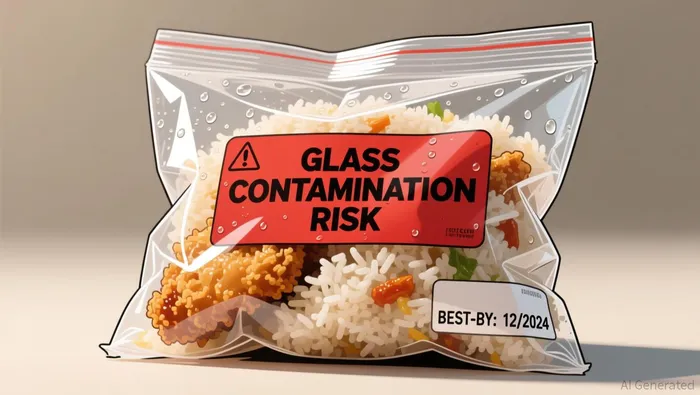
The recall was triggered by four consumer complaints about finding glass in the product, which led Ajinomoto Foods North America to voluntarily remove the items from shelves. The affected product is a frozen, ready-to-eat meal sold in U.S. Trader Joe's locations and Canadian outlets under the Ajinomoto brand. These products are best if used by dates ranging from September 8, , to November 17, , in the U.S., and through November 12, , in Canada according to reports.
The recall includes more than just the Trader Joe's brand. Ajinomoto Yakitori Chicken with Japanese-Style Fried Rice, a related product sold in Canada, is also affected. These items are sold in 1.53 kg cardboard packages containing six bags of chicken fried rice. The U.S. Department of Agriculture's Food Safety and Inspection Service (FSIS) classified the recall as a , the most serious type of food recall, due to the potential health risks posed by glass contamination.
Why Is This Recall of Yakitori Chicken Fried Rice Important for Investors?
For investors, the recall highlights the vulnerability of food companies to quality control issues, especially when operating at scale. Ajinomoto Foods North America, a Portland-based supplier, is now facing a reputational challenge and potential financial costs associated with the recall. The company has stated it is issuing refunds and advising consumers to return the product or dispose of it securely.
Trader Joe's, while not the manufacturer, is also impacted by the recall due to its reliance on supplier relationships. The company has a history of food safety recalls, including issues with listeria contamination and undeclared allergens as reported. This latest recall could influence customer trust and, in the long run, impact sales. The incident also underscores the importance of transparency in the supply chain — a key concern for investors tracking (environmental, social, and governance) metrics in the food sector.
What to Watch Next for Retail Investors
As the recall unfolds, investors should monitor several key developments. First, the company's communication with the public and regulatory authorities will be important. Ajinomoto Foods North America emphasized its commitment to food safety and said the recall was initiated out of an abundance of caution. This is a positive sign, but the long-term damage to the brand depends on how swiftly and effectively the company addresses the issue.
Second, investors should track any follow-up from the USDA or other regulatory bodies. The FSIS has been monitoring the situation, and further action could include fines or more stringent inspections. These developments could influence not just Ajinomoto Foods North America and Trader Joe's but also other food companies operating in the same supply chain.
Finally, the financial implications for both companies are worth watching. Recall costs can add up quickly, especially for a product with high volume and national distribution. This could lead to short-term earnings pressure or adjustments in product pricing to offset recall-related expenses. Retail investors may also want to keep an eye on broader market reactions, particularly among competitors like Aldi and Whole Foods, which have also had recalls in recent years according to reports.
In the short term, this recall is a red flag for brand integrity and customer trust. But for investors with a long-term focus, it may also present an opportunity to assess how well companies respond to such incidents. A swift and transparent response can help rebuild consumer confidence — and ultimately, stock value.

Stay ahead of the market.
Get curated U.S. market news, insights and key dates delivered to your inbox.


AInvest
PRO
AInvest
PRO



Comments
No comments yet